



What's Happening?
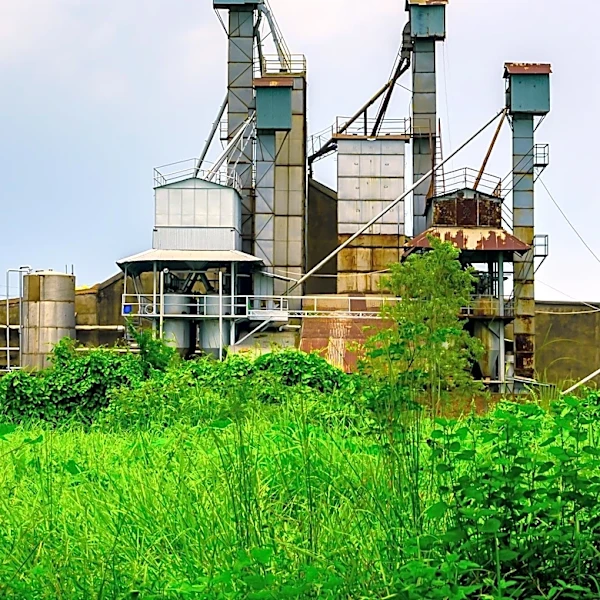
Ameren Missouri has announced its intention to construct a new 2.1 gigawatt (GW) gas plant in St. Charles County, Missouri. This decision comes at a time when the costs for new gas turbines are increasing due to supply chain issues. Although Ameren has not
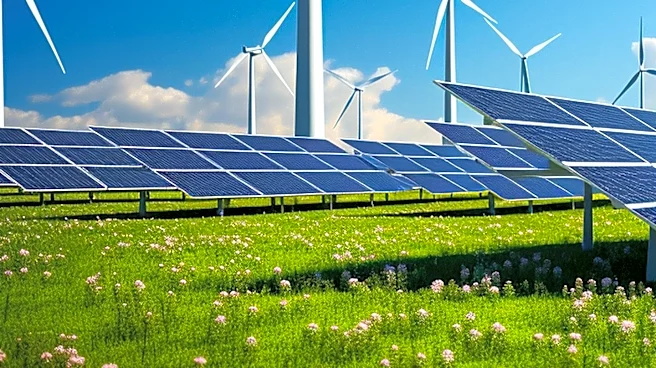
disclosed a cost estimate for the project, similar projects have seen significant cost increases, such as a South Carolina project that doubled from $2.5 billion to $5 billion. In contrast, a new energy project in Arkansas, which includes 1.6GW of solar and 1.9GW of storage, is estimated to cost $3.5 billion, making it a cost-competitive alternative to Ameren's gas plant. Ameren plans to use Construction Work In Progress (CWIP) to finance the project, which would allow the utility to raise customer bills to fund construction before the plant becomes operational. This approach has been criticized for potentially increasing project costs beyond the savings utilities claim.
Why It's Important?
The decision by Ameren Missouri to invest in a new gas plant highlights the ongoing debate between traditional fossil fuel energy sources and renewable energy alternatives. The use of CWIP to finance the project could lead to higher costs for consumers, raising concerns during a time of economic uncertainty and potential rate increases. The Sierra Club has criticized the project, arguing that solar and storage options are not only cost-competitive but also more sustainable, as they rely on local resources rather than imported gas. This development underscores the broader energy policy challenges facing the U.S., where utilities must balance the need for reliable energy with environmental and economic considerations.
What's Next?
Ameren Missouri's proposal will require approval from the Public Service Commission, which will consider the implications of using CWIP for financing. Stakeholders, including environmental groups and consumer advocates, are likely to continue voicing their concerns about the project's impact on energy costs and sustainability. The outcome of this decision could influence future energy projects in Missouri and beyond, as utilities navigate the transition to cleaner energy sources while managing financial and regulatory challenges.