



What's Happening?
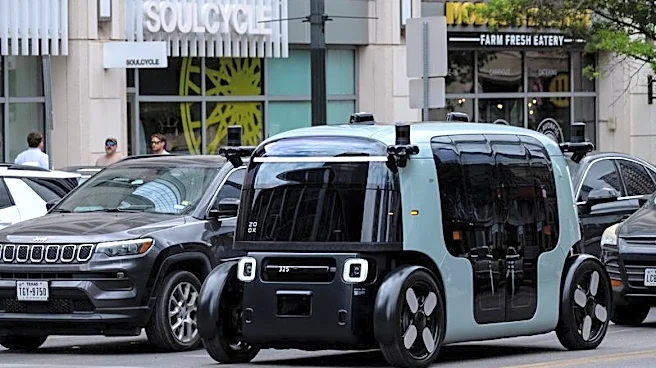
Zoox, Amazon's autonomous vehicle brand, has received U.S. federal approval for the commercial deployment of its steering-wheel-free robotaxis. This marks a significant milestone in the autonomous transportation industry, as Zoox becomes the first company
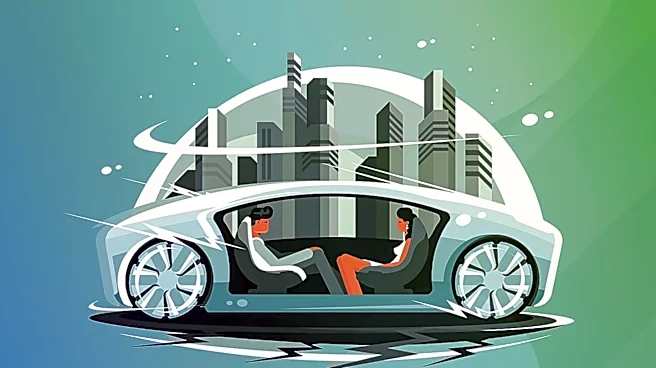
to gain such approval. The National Highway Traffic Safety Administration (NHTSA) granted Zoox an exemption from federal rules requiring human controls on vehicles, allowing the company to begin charging customers for rides in Las Vegas, pending state and local approvals. Zoox's vehicles are unique, featuring a carriage-style design with passenger seats facing each other and no traditional driver controls. The company plans to deploy up to 2,500 vehicles over the next two years, with additional safety reporting requirements in place.
Why It's Important?
The approval of Zoox's robotaxis represents a significant advancement in the development and acceptance of autonomous vehicles in the U.S. This move could accelerate the adoption of self-driving technology, potentially transforming urban transportation by reducing the need for human drivers and increasing efficiency. However, it also raises safety concerns, as critics warn about the risks of deploying autonomous vehicles without traditional controls. The decision by NHTSA reflects a balance between fostering innovation and ensuring public safety, setting a precedent for future regulatory approaches to autonomous vehicles. The success of Zoox's deployment could influence other companies in the industry and shape the future of transportation.
What's Next?
Zoox plans to begin charging for its robotaxi services in Las Vegas, with potential expansion to other markets as it meets state requirements. The company aims to produce up to 10,000 robotaxis annually, challenging industry leaders like Waymo. As Zoox and other companies continue to develop autonomous technology, regulatory bodies will likely face ongoing challenges in ensuring safety while supporting innovation. The outcome of Zoox's commercial deployment could impact public perception and regulatory policies regarding autonomous vehicles, influencing the pace and direction of future developments in the industry.