






What's Happening?
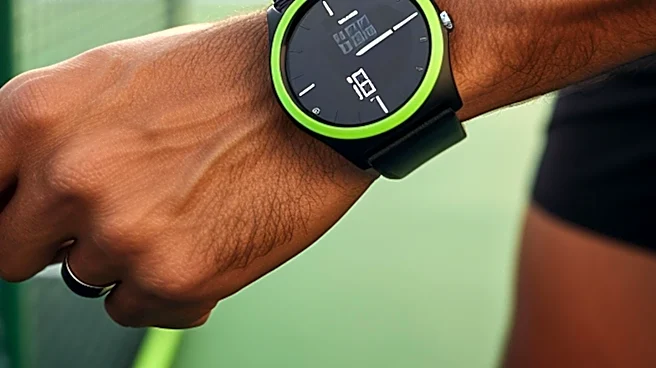
Suunto, a company known for its sports watches, has published guidance on active recovery, explaining its benefits and how to implement it effectively. Active recovery involves low-intensity movement designed to help the body recover from strenuous training
without adding significant training load. This contrasts with passive recovery, which includes complete rest or sleep. Suunto highlights that active recovery can clear blood lactate faster after hard efforts, reduce muscle soreness and stiffness, and offer mental benefits by maintaining routine and a sense of productivity. The guidance emphasizes that the effectiveness of active recovery depends on intensity, purpose, and individual body response, recommending activities like light walking, cycling, swimming, or gentle stretching at a very low perceived exertion level (RPE 2-3) or 50-60% of maximum heart rate.
Why It's Important?
This guidance from Suunto is crucial for U.S. athletes and fitness enthusiasts, as it provides a structured approach to recovery, a often-overlooked component of training. By differentiating between active and passive recovery and offering clear parameters for intensity and duration, Suunto helps individuals make informed decisions that can prevent overtraining, reduce injury risk, and optimize long-term performance. The emphasis on listening to one's body and combining objective data (like heart rate from a Suunto watch) with subjective feelings is particularly valuable. This information can empower athletes to integrate recovery more strategically into their training plans, leading to more consistent progress and a healthier relationship with exercise. For the sports technology industry, providing such educational content enhances brand credibility and supports users in maximizing the utility of their devices.
What's Next?
The continued emphasis on active recovery by brands like Suunto suggests a growing trend in the sports and fitness industry towards holistic training approaches that prioritize recovery as much as exertion. This could lead to more integrated features in wearable technology that not only track performance but also provide personalized recovery recommendations. Educational content on recovery is likely to become more prevalent, influencing how coaches, trainers, and athletes structure their programs. There may also be an increase in specialized recovery tools and services, such as dedicated recovery studios or advanced physiological monitoring. For Suunto, providing such detailed guidance can strengthen its position as a leader in sports performance and wellness technology, potentially driving sales of its watches and related services.
Beyond the Headlines
The focus on active recovery reflects a deeper understanding of human physiology and the importance of balance in physical pursuits. It challenges the 'no pain, no gain' mentality by advocating for intelligent training that respects the body's need for repair and adaptation. This shift has broader implications for public health, encouraging individuals to view physical activity not just as strenuous exercise but also as a spectrum that includes gentle movement for well-being. It also highlights the increasing role of technology in personal health management, where data from wearables can inform nuanced decisions about daily activity. Ethically, it promotes a more sustainable approach to fitness, potentially reducing the incidence of burnout and chronic injuries among athletes and active individuals.