







What's Happening?
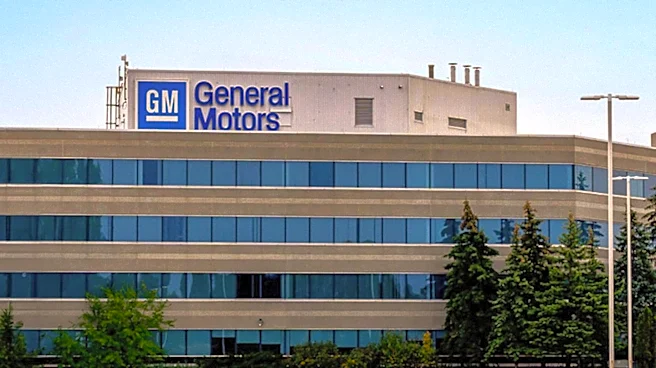
General Motors is actively recruiting for a Senior Software Engineering position focused on Autonomy Build & Integration. This role is based in Markham, Ontario, and is categorized as remote, allowing the successful candidate to work from anywhere in Canada
with the option to report to a GM worksite in Markham or Oshawa as needed. The position is part of the AI Cloud and Developer Infrastructure organization, which is responsible for developing and maintaining tools and services for GM engineers. The Autonomy Build & Integration team specifically manages continuous integration (CI), continuous delivery (CD), build, and release workflows for Advanced Driver-Assistance Systems (ADAS) features, including Super Cruise. The role requires a candidate with extensive engineering background, experience with developer tools and technologies, and a passion for developer productivity. Responsibilities include creating and improving CI/CD processes, leading technical projects, participating in code reviews and design discussions, and mentoring other engineers. The company emphasizes its commitment to an inclusive workplace and non-discriminatory employment decisions.
Why It's Important?
This hiring initiative by General Motors underscores the company's continued investment in autonomous driving technology and its underlying software infrastructure. The focus on enhancing CI/CD processes and developer tools is crucial for accelerating the development and deployment of advanced vehicle features like Super Cruise. By strengthening its engineering teams in areas like autonomy build and integration, GM aims to improve the reliability, performance, and quality of its ADAS offerings. This move is vital for GM to remain competitive in the rapidly evolving automotive industry, where software-defined vehicles and autonomous capabilities are becoming key differentiators. The ability to efficiently develop and integrate complex software systems directly impacts the speed at which GM can bring new, safer, and more advanced vehicles to market, potentially influencing consumer adoption and market share in the electric and autonomous vehicle segments.
What's Next?
General Motors will continue its recruitment efforts to fill this and similar roles, aiming to bolster its software engineering capabilities for autonomous systems. Successful candidates will contribute to the ongoing development and refinement of GM's ADAS features, which are critical for future vehicle models. The company's emphasis on remote work for this position suggests a strategy to attract top talent regardless of geographical location, potentially expanding its talent pool. As these engineering teams grow and mature, GM is likely to see accelerated progress in its autonomous driving roadmap, leading to more frequent software updates and enhanced features for its vehicles. This continuous improvement cycle is essential for GM to maintain its competitive edge against other automotive manufacturers and technology companies vying for leadership in the autonomous vehicle space.
Beyond the Headlines
The push for advanced software engineering talent in autonomy highlights a broader industry trend where traditional automotive manufacturing is increasingly intertwined with software development. The automotive sector is transforming into a technology-driven industry, with software becoming a core component of vehicle functionality, safety, and user experience. GM's investment in roles like this reflects a strategic shift towards becoming a software-first company, where the quality and efficiency of its software development processes are as critical as its manufacturing capabilities. This transformation also brings challenges related to cybersecurity, data privacy, and the ethical implications of AI in autonomous systems, which will require continuous innovation and robust governance frameworks. The demand for specialized software engineers in this domain will likely continue to grow, shaping the future of automotive employment and education.