

What's Happening?
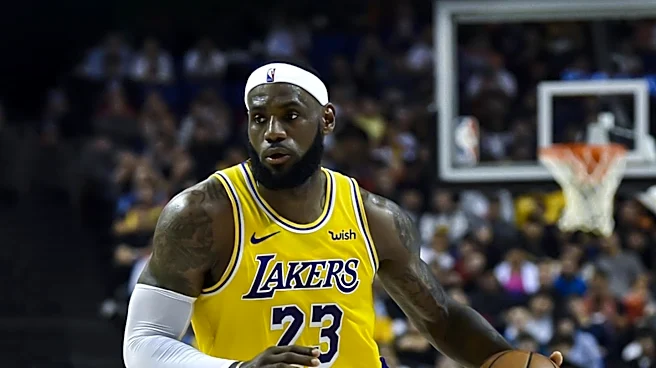
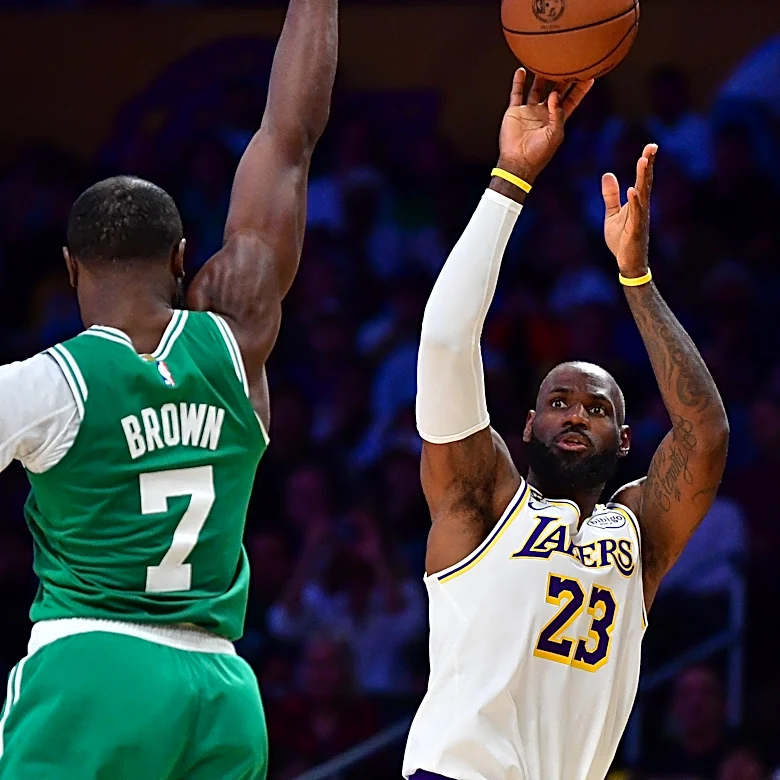
NBA analyst Max Kellerman, alongside LeBron James' friend and agent Rich Paul, has sparked a discussion regarding whether LeBron James was unfairly denied multiple NBA Finals MVP awards. Kellerman specifically highlighted the 2015 Finals, arguing that
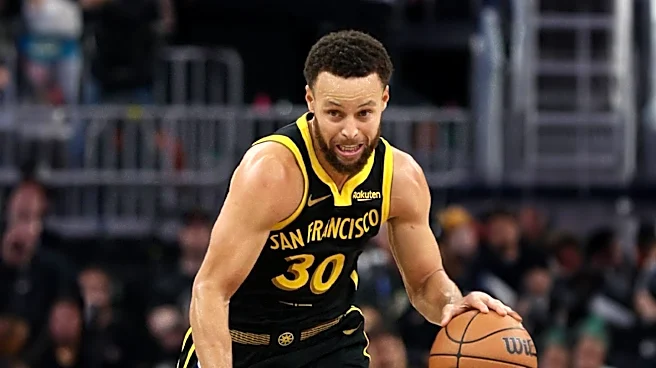
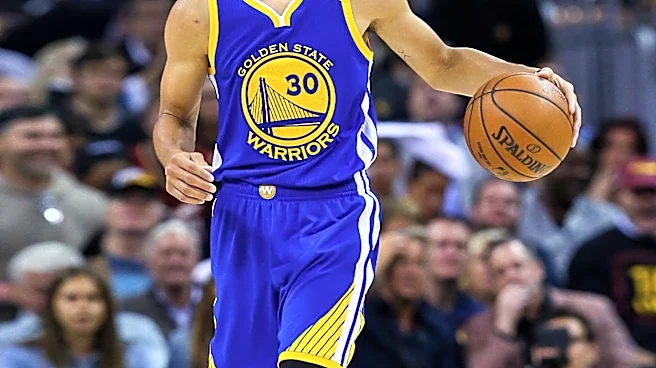
James was 'clearly and by far the MVP of the series' despite his team, the Cleveland Cavaliers, losing to the Golden State Warriors. The award was instead given to Andre Iguodala, largely because he was tasked with guarding James. Kellerman suggested that the decision to award Iguodala was a way to acknowledge James' dominant performance without giving the MVP to a player on the losing team or to Stephen Curry, which would have implied Curry was a better offensive player than James. This debate extends to other Finals losses where James' individual performance was exceptional, even in defeat, such as the 2007 Finals where he led the Cavaliers against the San Antonio Spurs.
Why It's Important?
This discussion is important because it challenges conventional criteria for awarding the NBA Finals MVP, particularly when a player on the losing team delivers a historically dominant performance. It raises questions about whether the award should strictly go to a member of the championship team or if individual excellence, regardless of the outcome, should be recognized. For LeBron James' legacy, these potential snubs could alter the perception of his career achievements, suggesting an even greater individual impact than his already impressive four Finals MVP awards indicate. The debate also highlights the subjective nature of sports awards and how narratives can influence voting. If the criteria were different, James' 'GOAT' (Greatest Of All Time) status might be even more solidified, impacting how future generations view his place in basketball history.
What's Next?
The debate surrounding LeBron James' Finals MVP snubs is likely to continue as sports analysts and fans re-evaluate historical performances and the criteria for such prestigious awards. While past awards cannot be retroactively changed, this ongoing discussion could influence future voting patterns, potentially leading to a more nuanced consideration of individual brilliance in losing efforts. The conversation also contributes to the broader discourse about James' overall legacy as he approaches the later stages of his career, especially as he continues to break scoring records and pursue additional championships. The impact of these discussions will primarily be on public opinion and historical narratives rather than immediate changes to NBA policies.
Beyond the Headlines
Beyond the immediate discussion of awards, this debate touches on deeper aspects of sports narratives and the 'GOAT' conversation. It underscores the inherent tension between team success and individual achievement in team sports. The idea that an MVP award could be given to a player on the losing team, or that a player guarding the 'true MVP' receives the award, reveals the complex storytelling that often accompanies major sporting events. This also highlights the pressure on voters to maintain certain narratives, such as the MVP always coming from the winning team. The long-term implication is a potential shift in how individual contributions are valued within a team context, especially for generational talents who elevate their teams to unexpected heights, even if they don't ultimately win the championship.