







What's Happening?
Recovery Room Direct has published a comprehensive comparison between infrared and traditional saunas, aiming to guide consumers through their purchasing decisions. The comparison details key differences in heat method, air temperature, preheat time,
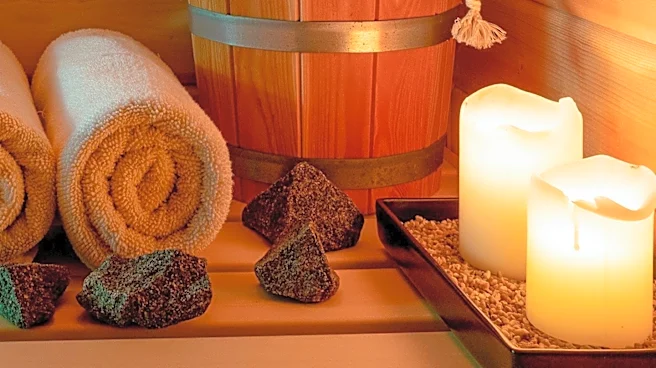
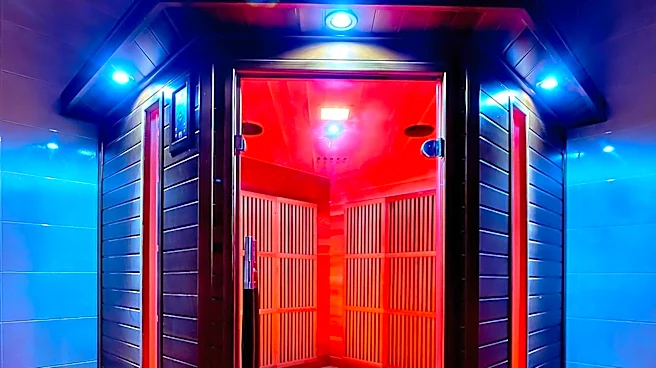
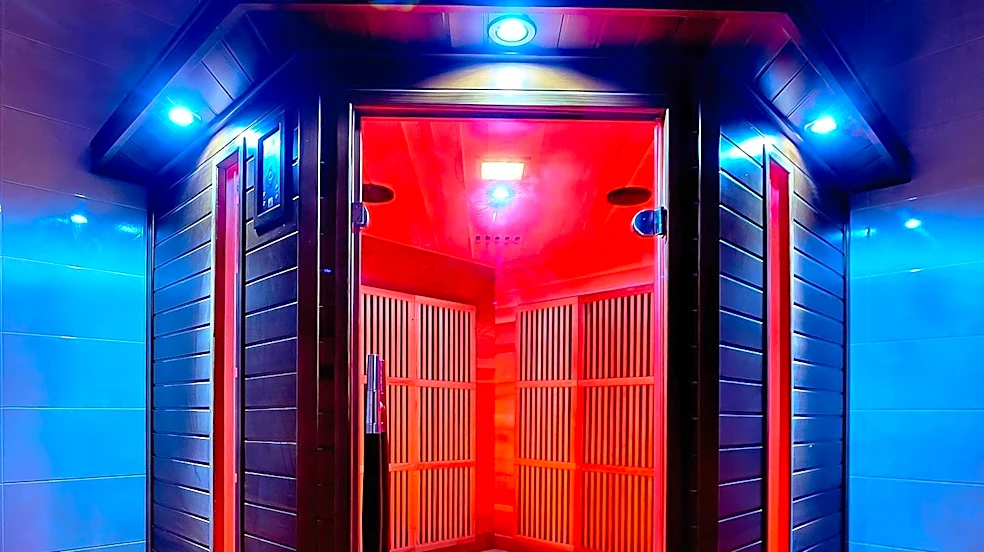
session length, electrical requirements, operating costs, and research bases. Traditional saunas, often Finnish-style, operate at higher temperatures (150-195°F) with steam, requiring 240V hardwiring and longer preheat times. In contrast, infrared saunas maintain lower temperatures (120-140°F), are dry, and many models can plug into standard 120V outlets, offering quicker setup and lower running costs. The article also addresses the nuances of 'full-spectrum' infrared, clarifying that most peer-reviewed research on infrared saunas focuses solely on far-infrared technology. It emphasizes that the choice between sauna types depends on individual goals, space availability, and budget, rather than one being objectively superior.
Why It's Important?
This detailed comparison is important for U.S. consumers considering a home sauna purchase, as it demystifies the often-confusing market of wellness products. By clearly outlining the practical and financial implications of each sauna type, Recovery Room Direct helps buyers make informed decisions, potentially saving them from unexpected costs or dissatisfaction. For instance, traditional saunas often incur significant additional expenses for electrical work and permits, which infrared saunas typically avoid. This information can influence consumer spending patterns in the wellness sector, shifting demand towards more accessible and cost-effective options like infrared saunas for daily use, or towards traditional saunas for those seeking an authentic, high-heat experience. The clarification on 'full-spectrum' infrared also promotes transparency in marketing, encouraging consumers to scrutinize health claims and research backing them, thereby fostering a more educated consumer base in the U.S. wellness industry.
What's Next?
Consumers are encouraged to assess their specific needs and preferences, such as desired heat intensity, session duration, and installation constraints, before making a purchase. Recovery Room Direct advises consulting with their team for specific model pricing, lead times, and professional setup options. They also highlight financing options for qualified buyers, which could make these wellness investments more accessible. Potential buyers of traditional saunas are strongly advised to obtain an electrician's quote for electrical work and permits before ordering, as these costs can significantly increase the total investment. The ongoing evolution of sauna technology, particularly in the hybrid category combining both infrared and steam, suggests that future comparisons may need to incorporate new advancements and their respective benefits and costs. The emphasis on research-backed claims also implies a growing consumer demand for evidence-based wellness solutions.
Beyond the Headlines
Beyond the immediate purchasing decision, this comparison touches upon broader trends in the U.S. wellness industry, particularly the increasing demand for home-based health and recovery solutions. The distinction between the 'experience' of a traditional sauna and the 'convenience' of an infrared sauna reflects differing consumer values—some prioritize ritual and intensity, while others seek ease of integration into daily routines. The discussion around the research base for each sauna type highlights a critical issue in the wellness market: the need for scientific rigor and transparent communication regarding health benefits. As more Americans invest in personal wellness technologies, the demand for clear, unbiased information will likely grow, pushing manufacturers and retailers to provide more detailed and evidence-based product descriptions. This trend could lead to greater regulation or industry standards for health claims in the wellness sector, ensuring consumers receive accurate information.