

What's Happening?
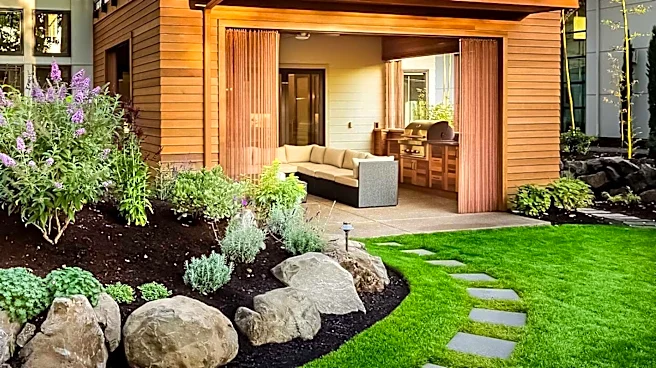
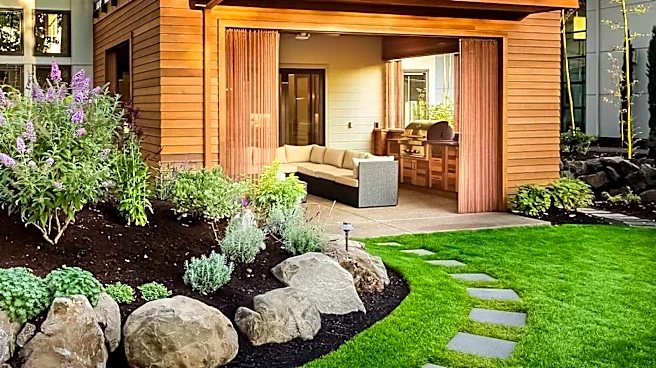
Current backyard landscaping trends emphasize creating inviting and functional outdoor spaces, with popular features including pools, fire pits, and covered patios. For urban environments, there's a growing interest in developing secluded retreats using
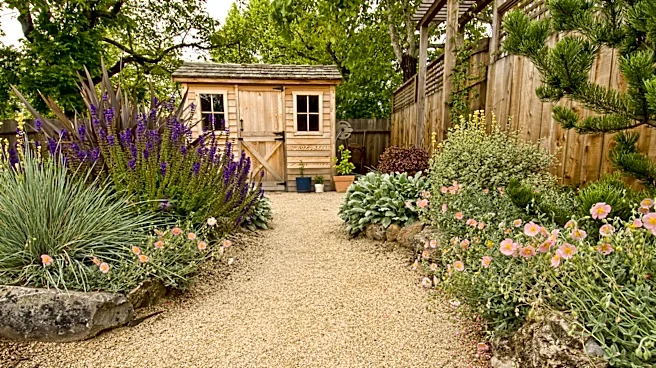
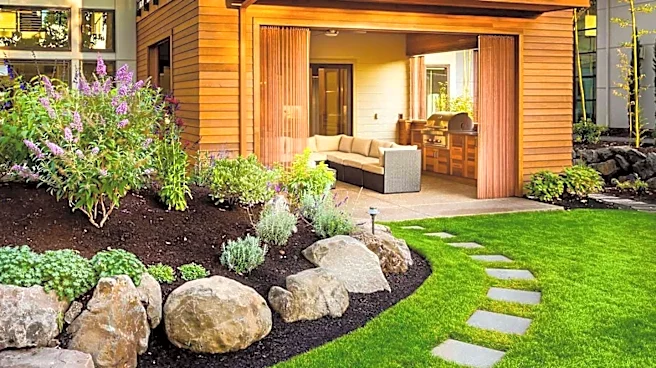
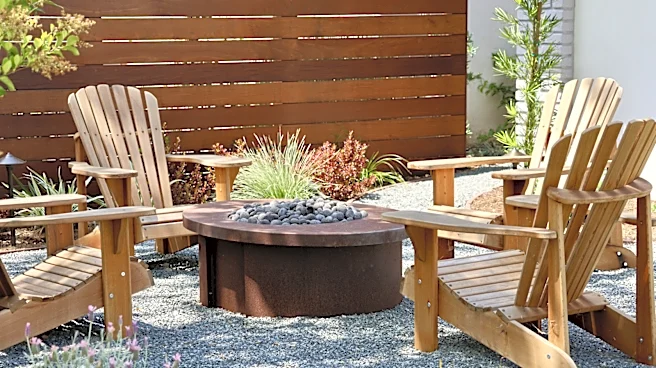
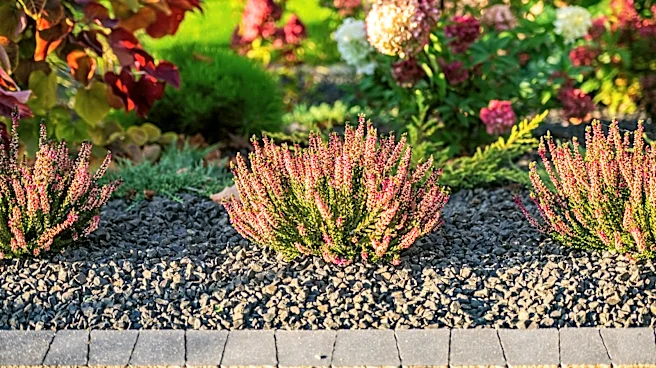
privacy fences, dense vines, bushes, and trees. Landscaping designs are increasingly tailored to the natural surroundings; for instance, desert climates favor pavers, gravel, and rocks for low maintenance, while northern climates highlight lush green yards. Sloped yards benefit from strong-rooted trees and shrubs to prevent landslides. Large backyards are being designed with pools or divided into paved and grassy areas. Additionally, there's a move towards cozy, native cottagecore aesthetics, incorporating BBQ areas, small vegetable patches, herb gardens, and fire pits. Aesthetic garden ideas also include flower beds with rock landscaping around fences.
Why It's Important?
These landscaping trends reflect a broader societal shift towards maximizing home utility and personal well-being, especially as outdoor spaces become extensions of living areas. The focus on privacy and secluded retreats addresses the increasing density of urban living, offering homeowners a personal sanctuary. Integrating natural landscapes reduces maintenance and promotes ecological harmony, potentially lowering water consumption in arid regions and supporting local ecosystems. The emphasis on functional elements like fire pits and patios enhances social interaction and entertainment opportunities at home, aligning with a desire for more intimate and personalized gatherings. For the landscaping industry, this means a demand for diverse skills, from hardscaping and pool installation to native plant knowledge and sustainable design practices, driving innovation and specialization within the sector.
What's Next?
The evolution of backyard landscaping is likely to continue towards more personalized and sustainable solutions. Expect to see further integration of smart home technology into outdoor spaces, such as automated irrigation systems and smart lighting. There will likely be an increased demand for drought-tolerant and native plant species, driven by environmental consciousness and water conservation efforts. The trend of creating multi-functional zones within backyards, such as dedicated areas for dining, relaxation, and play, will probably expand. Furthermore, as remote work remains prevalent, homeowners may invest more in creating comfortable and private outdoor workspaces, potentially leading to innovations in outdoor office setups and enhanced connectivity in garden areas.
Beyond the Headlines
Beyond the immediate aesthetic and functional benefits, these landscaping trends signify a deeper connection between homeowners and their living environments. The desire for secluded retreats and natural integration can be seen as a response to the fast-paced, often overwhelming modern world, offering a sense of calm and control. The move towards native and sustainable planting practices reflects a growing environmental ethic, where individual choices contribute to broader ecological health. Culturally, the backyard is transforming from a mere patch of grass into a curated extension of personal identity and lifestyle, influencing how people interact with their homes and communities. This shift also highlights the psychological benefits of green spaces, contributing to mental well-being and stress reduction.