


What's Happening?
Actor Aki Avni has licensed his face to Shortical for the AI-generated thriller 'Inevitable,' which premiered on November 13, 2026. The series, consisting of 24 episodes at launch with new installments weekly, features Avni's digital double in a fictional
premise where his AI counterpart is implicated in an attempted murder. Shortical confirmed that Avni negotiated directly with the company, authorized his digital avatar, and actively participated in its creation. The company stated that Avni's compensation was comparable to a conventional acting role, though the specific fee remains undisclosed. This arrangement highlights a new model for performer involvement in AI productions, where actors can contribute without traditional filmed performances. Ofir Lobel, the creator and director, noted that 'Inevitable' is his first AI-generated project and his first vertical series, designed for upright phone screens.
Why It's Important?
This development is highly significant for the entertainment industry, particularly concerning the future of acting and intellectual property rights in the age of artificial intelligence. Avni's deal with Shortical sets a precedent for how actors might license their likenesses for AI-generated content, potentially reshaping contracts and compensation models. While Shortical claims Avni's compensation matched industry standards for a non-AI role, the lack of transparency regarding the fee and the case-by-case nature of creator royalties leave the economic implications for other performers uncertain. This model could offer new revenue streams for actors but also raises concerns about job security for human performers and the potential for studios to bypass traditional acting roles. The debate over 'human-led AI filmmaking' versus full AI autonomy is central to the industry's future, impacting unions, agents, and individual artists.
What's Next?
The premiere of 'Inevitable' and the details of Avni's licensing deal are expected to fuel further discussions within the entertainment industry about AI's role. Shortical plans to more actively promote its public invitation for others to license their likenesses, though this broader offer has not yet resulted in signed contracts. This indicates that while individual, high-profile deals like Avni's can be struck, a standardized and widely accepted model for AI likeness licensing is still in its nascent stages. Industry stakeholders, including unions and guilds, will likely push for clearer guidelines, standardized compensation, and robust protections for performers' digital rights. The success and audience reception of 'Inevitable' will also play a crucial role in determining the viability and widespread adoption of AI-generated content featuring licensed digital doubles.
Beyond the Headlines
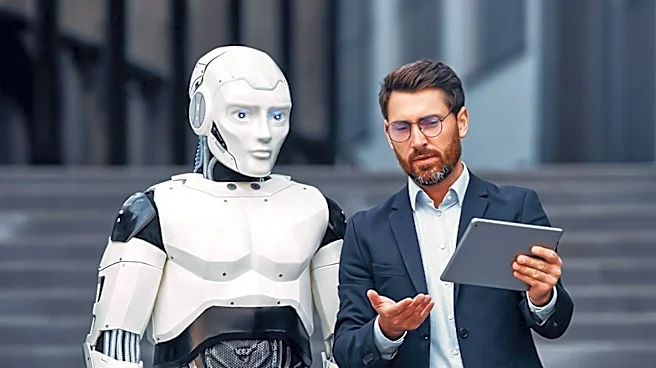
The use of AI to create digital doubles of actors raises profound ethical and legal questions. Ethically, it challenges the concept of an actor's 'performance' and raises concerns about the control an individual has over their digital persona, especially after their death or if their likeness is used in contexts they did not explicitly approve. Legally, intellectual property laws will need to adapt to address ownership and usage rights of AI-generated likenesses, particularly regarding copyright and publicity rights. Culturally, the proliferation of AI-generated actors could alter audience perceptions of authenticity and human connection in storytelling. It also highlights a broader societal shift towards digital representation and the potential for technology to replicate and even replace human presence in various fields, prompting a re-evaluation of what constitutes 'human' contribution in creative endeavors.