






What's Happening?
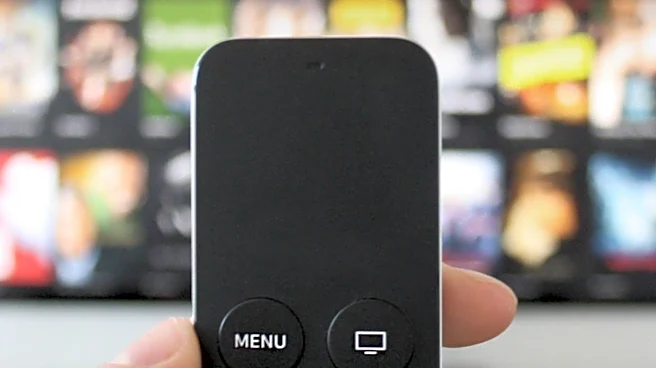
The SviCloud 15P TV Box is presented as an alternative to traditional cable television, particularly for U.S. households seeking flexible viewing options and access to Chinese-language entertainment. This Android 14-based device features 4GB RAM, 64GB
storage, dual-band WiFi 6, 4K HDR10 output, AV1 decoding, and a voice air-mouse remote. It aims to provide a comprehensive entertainment environment with categories such as news, sports, TV series, movies, documentaries, and animation. The SviCloud 15P is a hardware purchase with no required monthly subscription for its built-in offerings, though broadband internet and optional third-party app subscriptions are separate costs. The decision to switch from cable to the SviCloud 15P depends on a household's specific viewing habits, preferred content, and comfort with app-based navigation versus traditional channel guides. It is recommended that potential buyers compare the total costs, including the device price, shipping, taxes, and existing broadband expenses, against their current cable bills, considering any internet-bundle discounts they might lose.
Why It's Important?
This development is important for the U.S. entertainment and telecommunications industries as it highlights the ongoing shift in how consumers access media. The SviCloud 15P caters to a niche market, specifically overseas Chinese families, by offering a curated selection of Chinese-language content, which traditional cable providers may not fully address. This competition could pressure cable companies to diversify their offerings or adjust pricing to retain subscribers. For consumers, it represents increased choice and potential cost savings, especially if their primary viewing habits align with the SviCloud's content library and app flexibility. However, it also introduces complexities, such as managing multiple subscriptions for third-party apps and ensuring reliable internet connectivity. The rise of such devices signifies a broader trend towards personalized and on-demand content consumption, challenging the long-standing dominance of bundled cable packages and potentially impacting advertising revenue models for traditional broadcasters.
What's Next?
Households considering the SviCloud 15P are advised to conduct a seven-day trial before canceling existing cable services. This trial should involve creating a 'must-watch' list, verifying content access and availability in their region, testing the device during normal viewing times, and allowing all family members, especially older ones, to navigate the interface. This approach helps determine if the SviCloud 15P can genuinely replace cable or if it's better suited as a supplementary device. The market will likely see continued innovation in streaming devices and content aggregation platforms, with a focus on user-friendly interfaces and diverse language offerings. Cable providers may respond by enhancing their own streaming capabilities, offering more flexible packages, or integrating third-party streaming services directly into their platforms to compete with standalone devices like the SviCloud 15P.
Beyond the Headlines
The emergence of devices like the SviCloud 15P reflects a deeper cultural and technological shift in media consumption. For immigrant communities in the U.S., these devices offer a vital link to their cultural heritage through language-specific content, fostering a sense of connection and identity. This trend also raises questions about digital literacy and accessibility, as older generations may find it challenging to adapt to app-based navigation compared to familiar cable channel numbers. Furthermore, the reliance on internet connectivity for such devices underscores the growing importance of broadband infrastructure and equitable access across different demographics. The fragmented nature of content ownership and regional licensing agreements also presents a challenge, as consumers must navigate a complex landscape of subscriptions and availability, highlighting the need for more streamlined and transparent content delivery models in the future.