



What's Happening?
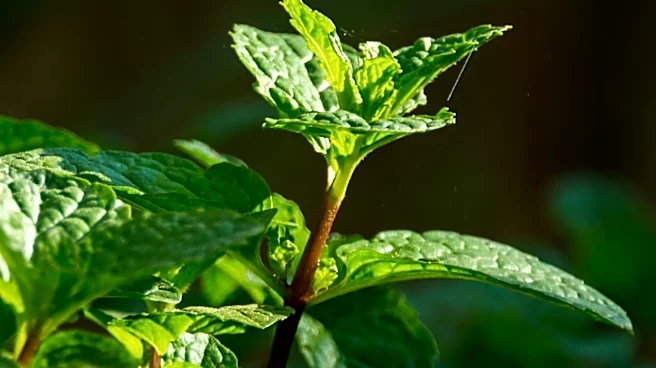
Mint plants often develop a 'leggy' appearance, characterized by tall stems with sparse leaves at the top, when they are not receiving adequate light. This stretching behavior is the plant's attempt to reach more light. To remedy this, gardeners need
to adjust the plant's light exposure and perform a significant trim. Mint plants generally thrive with about six hours of bright light daily, though they can tolerate as little as three hours of direct sunlight. If grown outdoors, mint should be in a pot to prevent overspreading and placed in an area receiving full to partial sun. For indoor mint, a south-facing window is ideal. If natural light is insufficient, especially during winter, supplemental grow lights may be necessary. After adjusting light conditions, trimming the plant encourages bushier growth by redirecting energy away from upward stretching.
Why It's Important?
Understanding and addressing the 'leggy' phenomenon in mint plants is important for home gardeners and those interested in sustainable living practices. Proper plant care ensures healthier, more productive plants, which can be used for culinary purposes, aromatherapy, or simply for aesthetic enjoyment. For individuals growing herbs at home, maintaining plant health reduces waste and the need to purchase replacements, contributing to a more self-sufficient lifestyle. The issue highlights the fundamental needs of plants, emphasizing the critical role of light in photosynthesis and overall plant development. This knowledge can be applied to other plant species, fostering better gardening practices and promoting successful indoor and outdoor plant cultivation. Furthermore, the ability to revive a struggling plant through simple adjustments can be empowering for gardeners of all experience levels.
What's Next?
Gardeners who observe their mint plants becoming leggy should immediately assess the light conditions. The next steps involve either relocating the plant to a brighter spot, such as a south-facing window indoors or a sunnier part of the garden outdoors, or introducing supplemental lighting. After adjusting the light, a thorough trimming of the leggy stems is crucial. This pruning will encourage the plant to divert energy into developing new, bushier growth rather than continuing to stretch upwards. Following these steps, gardeners should monitor the plant over several weeks to ensure it recovers and begins to grow uniformly and densely. The harvested mint leaves from trimming can be utilized in various ways, such as in beverages or cooking, providing an immediate benefit from the corrective action.
Beyond the Headlines
The common issue of 'leggy' mint plants extends beyond simple horticulture, touching upon broader themes of environmental adaptation and resource optimization. Plants, like all living organisms, exhibit remarkable adaptability to their surroundings, with leggy growth being a clear example of a plant's physiological response to suboptimal conditions. This phenomenon underscores the delicate balance required for plant health and productivity, reflecting principles applicable to broader ecological systems. From a sustainability perspective, understanding and correcting such issues promotes efficient resource use in home gardening, reducing reliance on external inputs and fostering a deeper connection with natural processes. It also highlights the educational value of gardening, offering tangible lessons in biology, environmental science, and practical problem-solving that can resonate with individuals seeking to cultivate a greener lifestyle.