

What's Happening?
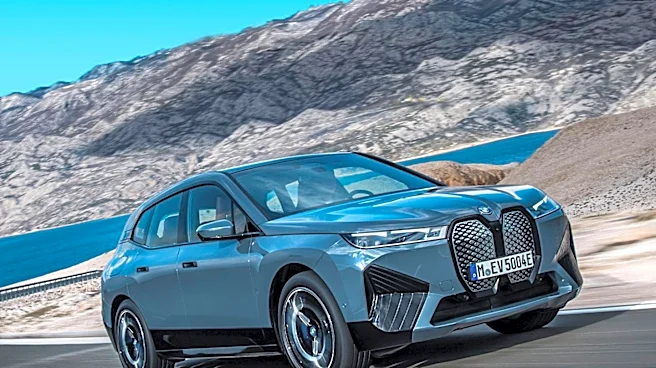
BMW is preparing to debut its first fully electric M3, internally known as the ZA0, at the Consumer Electronics Show (CES) in Las Vegas in January 2027. This high-performance sedan is expected to begin production in March 2027, with deliveries potentially
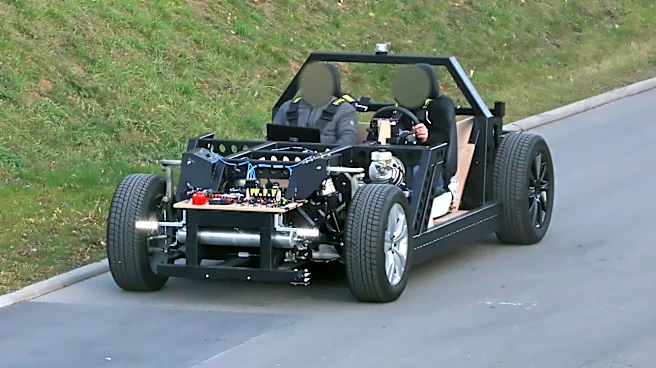
starting in Europe before summer. The electric M3 will feature four independently controlled electric motors, one for each wheel, and is projected to have a combined output of approximately 838 hp and 1,200 Nm (885 lb-ft) of torque, allowing it to accelerate from 0 to 62 mph in under three seconds. It will be built on the Neue Klasse platform and will include a dedicated battery pack with over 100 kWh of usable energy, targeting a WLTP range of about 650 kilometers (404 miles) or around 300 miles on the EPA cycle. BMW plans to offer both electric and combustion-engine versions of the M3, with the current G80 model continuing production into 2027 and a next-generation gasoline M3 (G84) expected to enter production around mid-2028.
Why It's Important?
The introduction of a fully electric BMW M3 marks a significant shift in the high-performance automotive market, reflecting the broader industry trend towards electrification while also catering to traditional enthusiasts. By offering both electric and gasoline-powered M3s, BMW is attempting to bridge the gap between its legacy internal combustion engine (ICE) vehicles and its future electric lineup. This dual-powertrain strategy could set a precedent for other luxury and performance car manufacturers, influencing product development and market segmentation. The electric M3's advanced technology, including its quad-motor setup and high power output, positions it as a direct competitor to other high-performance EVs, potentially accelerating innovation in the electric vehicle sector. For consumers, this means a wider array of choices in the performance segment, but also a potential dilemma between embracing new electric technology and adhering to traditional driving experiences.
What's Next?
Following its unveiling at CES in January 2027, the electric BMW M3 (ZA0) is slated to begin production in March 2027, with initial deliveries expected in Europe before summer. The current G80 M3 will continue production into 2027, creating a period of overlap where both electric and gasoline versions are available. The next-generation gasoline M3 (G84), which will use an evolved version of the CLAR platform and an updated S58 3.0-liter twin-turbocharged inline-six engine, is anticipated to enter production around mid-2028. Both the electric and gasoline M3 sedans are also expected to have wagon equivalents, the electric ZA1 and the gasoline-powered G88, which are likely to arrive later in the decade. This phased rollout indicates BMW's strategy to gradually transition its performance lineup while maintaining options for diverse customer preferences.
Beyond the Headlines
The simultaneous offering of electric and gasoline M3 models highlights a complex challenge for automotive manufacturers: balancing innovation with tradition. While the electric M3 represents BMW's commitment to future mobility and sustainability, the continued development of a combustion-engine M3 acknowledges the strong demand from purists who value the traditional driving experience. This approach could lead to a bifurcated market where consumers choose based on their preference for powertrain technology rather than just brand loyalty. The technological advancements in the electric M3, such as simulated gear changes and a dedicated rear-wheel-drive mode, suggest efforts to replicate the 'feel' of a traditional performance car, indicating a deeper exploration into how electric vehicles can satisfy emotional and experiential aspects of driving. This strategy could influence how other legacy automakers manage their transition to electric, potentially leading to more hybrid offerings that cater to a broader spectrum of consumer desires during the shift.