

What's Happening?
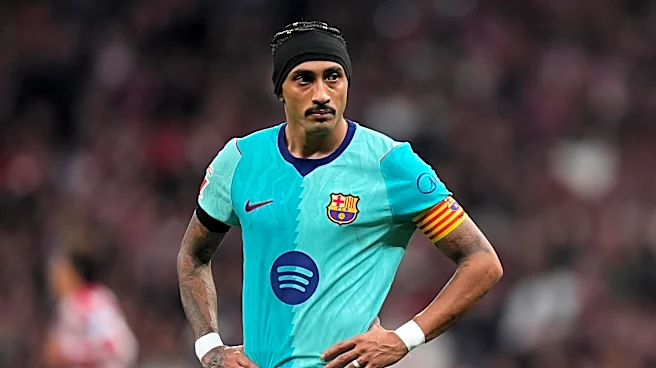
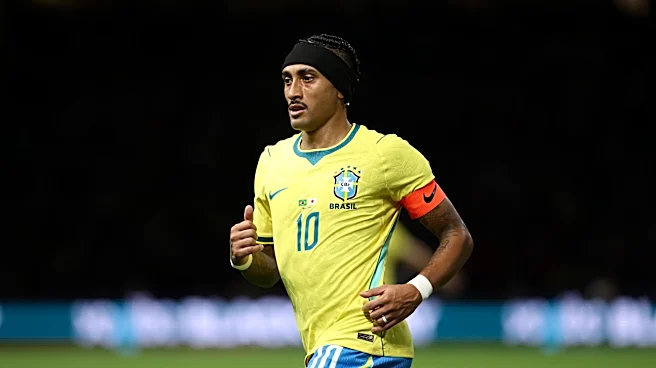
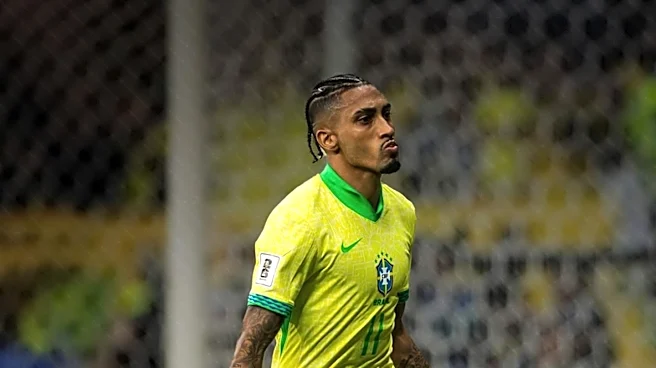
Brazil's national football team has decided to keep Raphinha with the squad for their upcoming match against Singapore, despite the player being suspended. Raphinha received a red card during Brazil's previous game against Japan for protesting referee
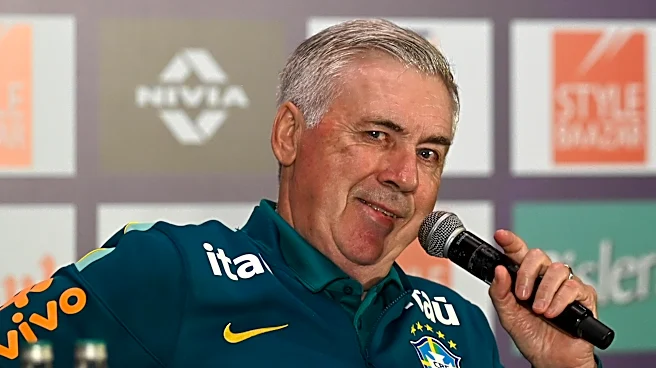
decisions, making him unavailable for the next friendly. Rodrigo Caetano, the general executive coordinator of the CBF men’s national teams, confirmed that Raphinha will remain with the team, stating, 'Raphinha stays. In principle, he stays with us. It does not make sense (to leave), because he is one of our leaders.' This decision goes against the common practice of allowing suspended or injured players to return to their clubs early. Raphinha will only be allowed to return to Barcelona after the match against Singapore, which is scheduled for Tuesday. The distance between Singapore and Barcelona is approximately 11,000 km, making the journey long and potentially impacting his fitness for Barcelona's subsequent game against Villarreal.
Why It's Important?
This decision by the Brazilian Football Confederation (CBF) highlights a recurring point of contention between national teams and football clubs, particularly concerning player welfare and availability. For Barcelona, Raphinha's extended stay with the national team poses several risks. Firstly, there's the potential for injury during training, a concern amplified by Raphinha's history of returning injured from previous international duties. Secondly, the long travel distance and limited recovery time before Barcelona's match against Villarreal could affect his performance and readiness. Clubs invest heavily in their players and rely on their full fitness, making such decisions by national federations a source of frustration. This situation underscores the power dynamics in international football, where national team commitments can sometimes override club interests, potentially impacting player health and club performance in critical league matches.
What's Next?
Raphinha is expected to remain with the Brazil national team until after their match against Singapore on Tuesday. Following this, he will undertake the extensive journey back to Barcelona. His availability and fitness for Barcelona's upcoming game against Villarreal on Sunday will be closely monitored. The incident is likely to further strain the relationship between Barcelona and the CBF, especially given Barcelona's previous frustrations over Raphinha's injury history during international breaks. While Raphinha will avoid a new injury by not playing, the delayed return and travel could still impact his preparation. The situation may prompt further discussions between clubs and national federations regarding player release policies for suspended or unavailable players in friendly matches.
Beyond the Headlines
The controversy surrounding Raphinha's retention by the Brazilian national team, despite his suspension, delves into the broader ethical and logistical considerations of international football. It challenges the 'unwritten understanding' that allows players to return to their clubs if they are unavailable for national team duties. This incident could set a precedent or intensify calls for clearer regulations regarding player release, especially when a player's participation is not possible. The financial implications for clubs, who bear the costs of player salaries and medical care, are significant when players are held by national teams without being able to play. Furthermore, it highlights the pressure on players to balance club and national team loyalties, sometimes at the expense of their own well-being or club commitments. The incident also brings into focus the role of leadership within national teams, as Rodrigo Caetano cited Raphinha's leadership as a reason for his retention.