




What's Happening?
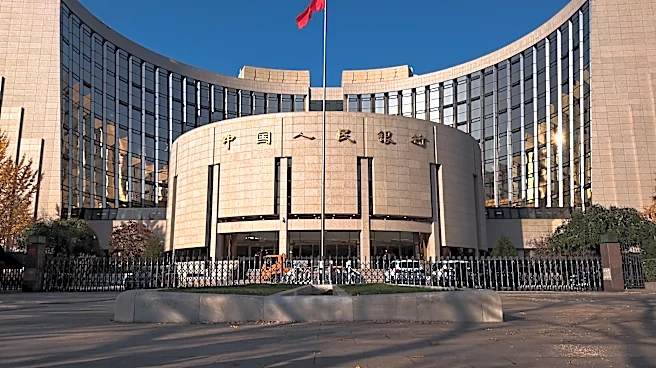
China is set to revise its digital-asset regulatory framework and increase scrutiny over real-world asset (RWA) tokenization. This development was outlined in a State Council financial work report submitted by People’s Bank of China Governor Pan Gongsheng
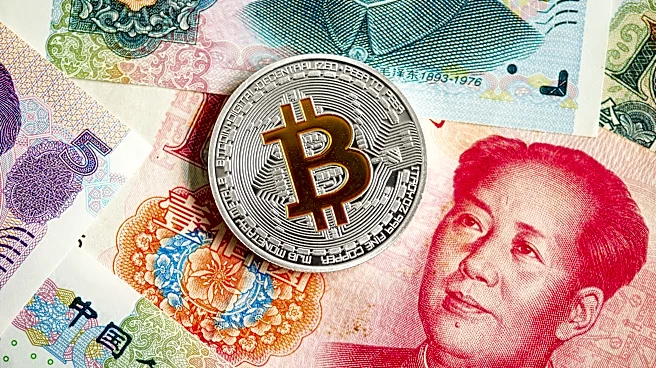
on November 3. The report indicates that China aims to enhance its regulatory policies for virtual assets and intensify investigations into organizations involved in illegal foreign-exchange activities and fund transfers linked to virtual assets. Additionally, the government plans to establish a permanent enforcement mechanism to combat digital-asset mining. A significant shift in the role of the digital yuan is also noted, as it transitions from being considered cash to deposit money. These measures reflect a broader effort by China to exert greater control and oversight within its digital asset landscape.
Why It's Important?
This regulatory overhaul in China carries significant implications for the global digital asset market, including potential indirect effects on U.S. stakeholders. Increased scrutiny and stricter enforcement in China could influence international cryptocurrency markets and the development of RWA tokenization, a growing area of interest for financial institutions worldwide. While the immediate impact is on Chinese entities, a more controlled digital asset environment in China could lead to shifts in global liquidity and investment flows. U.S. companies and investors involved in digital assets may need to monitor these changes, as they could affect supply chains, market sentiment, and the competitive landscape for digital financial services. The reclassification of the digital yuan as deposit money also signals a more integrated approach to digital currency within China's traditional financial system, potentially setting precedents for other nations exploring central bank digital currencies (CBDCs).
What's Next?
Following the submission of the State Council financial work report, China is expected to proceed with the implementation of these new digital-asset regulations. This will likely involve the drafting and enactment of specific laws and guidelines to formalize the enhanced oversight of virtual assets and RWA tokenization. The establishment of a standing enforcement mechanism suggests a sustained effort to crack down on illicit activities, which could lead to more frequent investigations and penalties. The transition of the digital yuan to deposit money status will necessitate adjustments in how it is managed and integrated into the financial system. International financial bodies and digital asset firms will be closely watching these developments to understand the full scope of China's regulatory intentions and their potential ripple effects on global digital finance.
Beyond the Headlines
The tightening of digital-asset regulations in China extends beyond mere financial control; it reflects a strategic move to assert national sovereignty over digital economic activities and potentially to counter the influence of decentralized cryptocurrencies. By reclassifying the digital yuan as deposit money, China is integrating its CBDC more deeply into its monetary policy, which could enhance its ability to monitor and control financial flows. This approach contrasts with the more open, market-driven development of digital assets seen in some Western economies. The crackdown on digital-asset mining and illegal foreign exchange transactions also underscores China's commitment to maintaining financial stability and preventing capital flight. This could lead to a more bifurcated global digital economy, with distinct regulatory philosophies emerging between major economic powers, influencing the future trajectory of digital finance and technological innovation.