










What's Happening?
The Museum of Modern Art in New York is currently hosting an exhibition that highlights the American folk art collection amassed by Abby Aldrich Rockefeller. This collection, which is considered one of the most significant of its kind in the United States,
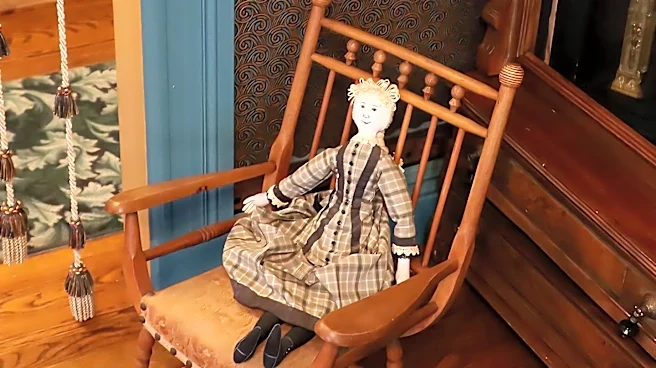
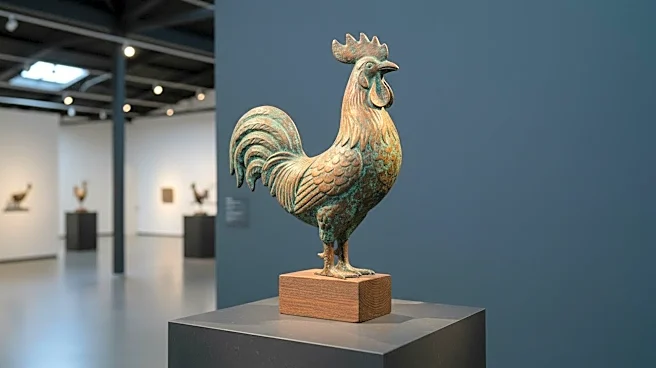
features a diverse array of objects sourced from New England, Pennsylvania, and the mid-Atlantic states, including Maryland and Virginia. The exhibition, curated by Starr Figura and Lydia Mullin, includes items such as weathervanes and stencilled still-lifes created by craftspeople, self-taught amateurs, and other artists. Abby Aldrich Rockefeller, a co-founder of the Museum of Modern Art in 1929, quietly assembled this collection, which is now being revisited and celebrated for its historical and cultural significance.
Why It's Important?
This exhibition is significant as it brings attention to the rich history and cultural value of American folk art, a genre often overshadowed by more mainstream art movements. By showcasing this collection, the Museum of Modern Art not only honors Abby Aldrich Rockefeller's legacy as a patron of the arts but also highlights the contributions of lesser-known artists and craftspeople. This exhibition provides an opportunity for the public to engage with a diverse range of artistic expressions that reflect the cultural and historical contexts of 19th-century America. It also underscores the importance of preserving and promoting folk art as a vital part of the nation's artistic heritage.
What's Next?
The exhibition is scheduled to run until August 9, providing ample time for art enthusiasts and the general public to explore the collection. Following the exhibition, there may be increased interest in American folk art, potentially leading to further exhibitions or studies on the subject. The Museum of Modern Art may also consider expanding its folk art collection or collaborating with other institutions to continue exploring this genre. Additionally, the exhibition could inspire other museums to revisit and showcase their own folk art collections, contributing to a broader appreciation and understanding of this important art form.