






What's Happening?
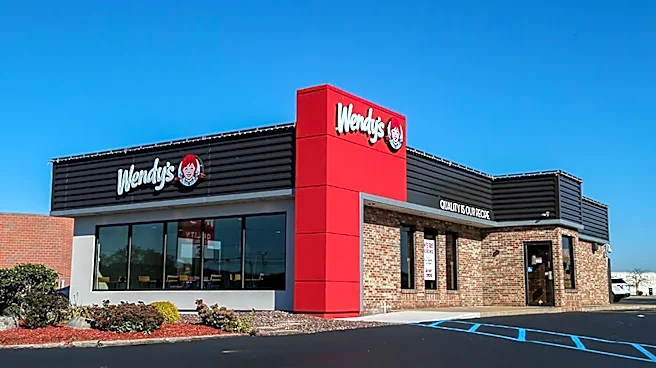
Wendy's independent board committee has unanimously rejected a $1.4 billion takeover bid from billionaire investor Nelson Peltz's Trian Fund Management. The offer, valued at $7.35 per share, aimed to take the fast-food chain private. The board concluded
that the proposal "substantially undervalues" Wendy's standalone prospects and long-term earnings potential. In response to the unsolicited bid, Wendy's adopted a corporate defense mechanism known as a "poison pill." This measure, effective for one year, allows existing shareholders to purchase discounted stock if an investor acquires more than a 15% ownership stake without board approval, thereby diluting the hostile investor's holdings. Peltz's group currently owns approximately 16.3% of Wendy's, though the poison pill includes provisions for existing ownership. This rejection comes as Wendy's faces operational challenges, including the closure of 240 locations in 2024 and plans for further closures in 2026, alongside a major franchisee filing for Chapter 11 bankruptcy.
Why It's Important?
This development highlights the ongoing tension between activist investors seeking to influence corporate strategy and company boards aiming to protect shareholder value and long-term growth. For Wendy's, the rejection signifies a commitment to its current strategic direction, despite recent operational difficulties such as restaurant closures and franchisee bankruptcies. The implementation of a "poison pill" is a significant defensive maneuver, indicating the board's strong opposition to a hostile takeover and its belief that the company's intrinsic value exceeds the offered price. This move could deter other potential suitors and force Trian Fund Management to either increase its offer significantly or abandon its takeover attempt. The outcome will be closely watched by investors and the broader fast-food industry, as it could influence future M&A activities and corporate governance strategies in the sector. The situation also underscores the challenges faced by established restaurant chains in a competitive market.
What's Next?
Following the rejection and the adoption of the "poison pill," Trian Fund Management will need to reassess its strategy. Peltz, known for his activist investment approach and previous corporate battles, including a high-profile fight for board seats at Disney, may choose to increase his offer, launch a proxy fight to gain board control, or divest his stake. Wendy's board will likely continue to focus on its existing plans to improve performance and address operational issues, such as the ongoing restaurant closures and franchisee challenges. The "poison pill" will remain in effect for one year, providing the company with a defense against further unsolicited takeover attempts during that period. The market will be observing how Wendy's navigates its internal struggles while fending off external pressures from significant shareholders.
Beyond the Headlines
The Wendy's situation reflects a broader trend in corporate America where activist investors, often holding substantial stakes, challenge management and board decisions to unlock perceived shareholder value. The use of a "poison pill" raises questions about corporate governance and the balance of power between boards and shareholders. While intended to protect companies from undervalued takeovers, critics argue that such defenses can entrench existing management and prevent shareholders from realizing immediate gains. Nelson Peltz's deep history with Wendy's, having served as its chairman for 17 years and with his son currently on the board and operating franchises, adds a layer of complexity, suggesting an intimate understanding of the company's operations and potential. This battle could set a precedent for how struggling legacy brands respond to activist pressure and navigate their path to recovery.