




What's Happening?
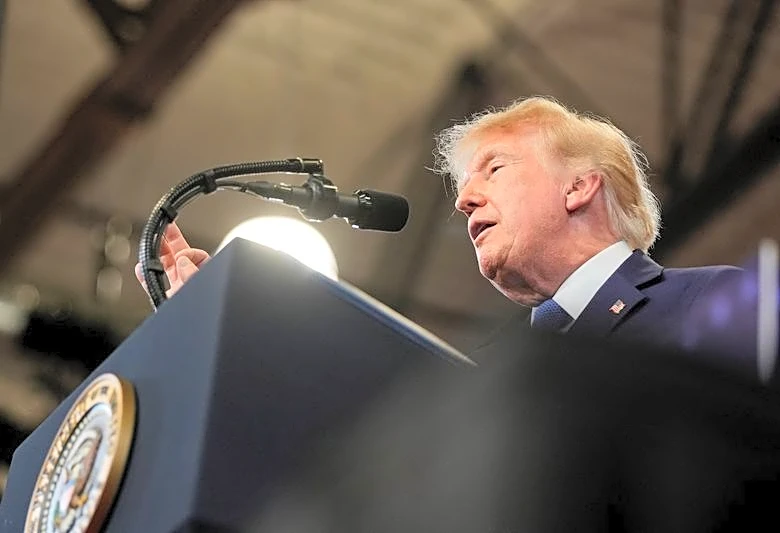
President Trump announced on Friday that he would allow up to 300,000 metric tons of ground beef to be imported into the United States tariff-free for the next 90 days. This measure is intended to lower ground beef prices for American families, with a commitment
that the imported meat will be sold at 25% below current market prices. President Trump stated in a Truth Social post that this plan would 'substantially lower' prices, attributing current high prices to a shrinking domestic cattle supply under the Biden administration. He emphasized that this initiative aims to provide relief to consumers while allowing the American beef herd to recover. The announcement immediately drew criticism from U.S. cattle industry groups and several Republican senators, who expressed concerns that increased imports could negatively impact American ranchers and the domestic beef market.
Why It's Important?
This decision by President Trump carries significant implications for both American consumers and the domestic cattle industry. For consumers, the promise of 25% lower ground beef prices could offer much-needed relief amidst rising food costs, potentially increasing affordability and access to a staple protein. However, for U.S. ranchers, the influx of tariff-free, lower-priced imported beef could depress domestic market prices, making it harder for them to compete and recover from current challenges, such as the smallest domestic cattle herd in 75 years. Organizations like the National Cattlemen's Beef Association and the American Farm Bureau Federation have voiced strong opposition, warning of 'long-term negative effects' for ranchers and arguing that the move overlooks strong consumer demand for U.S. beef. This policy highlights a tension between immediate consumer price relief and the long-term economic stability of a vital agricultural sector.
What's Next?
Over the next 90 days, the U.S. will see the tariff-free import of up to 300,000 metric tons of ground beef. The effectiveness of this measure in significantly lowering consumer prices and the extent of its impact on domestic ranchers will be closely monitored. Cattle industry groups and Republican senators are expected to continue advocating for American ranchers, potentially seeking alternative solutions or adjustments to the policy. President Trump did not specify the countries from which the beef would be imported, only stating that 'a few' would supply 'highest quality beef.' The administration will likely face ongoing pressure to balance consumer affordability with the economic health of the domestic agricultural sector. The long-term implications for the U.S. beef supply chain and market dynamics will become clearer as the 90-day period progresses.
Beyond the Headlines
This policy decision delves into the complex interplay between trade policy, domestic agricultural support, and consumer welfare. While the immediate goal is to alleviate consumer burden through lower prices, the backlash from the cattle industry underscores the broader economic and political sensitivities involved. The U.S. cattle industry has been facing challenges, including a historic shortage, and the introduction of cheaper imports could exacerbate these issues, potentially leading to further consolidation or financial strain for smaller ranchers. This situation also raises questions about food security and the reliance on international markets for essential food products. The debate reflects a recurring theme in economic policy: how to balance the benefits of free trade and lower consumer costs with the need to protect domestic industries and ensure national self-sufficiency in critical sectors like food production. The move could also spark discussions about the role of government intervention in market pricing and supply chains.