





What's Happening?
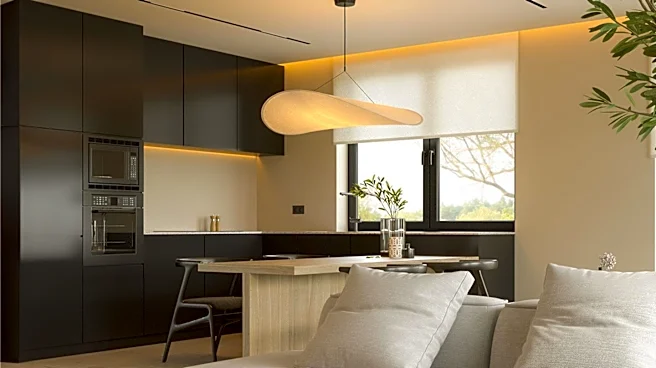
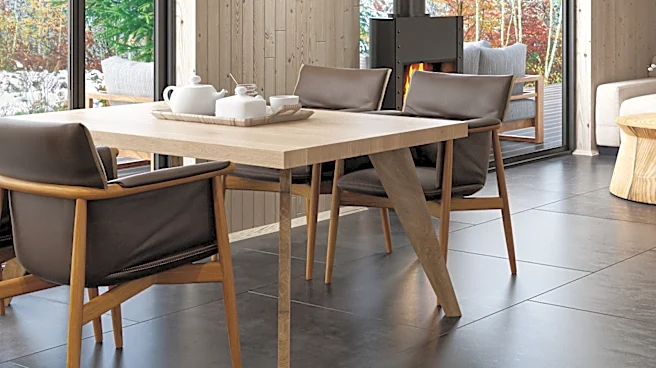
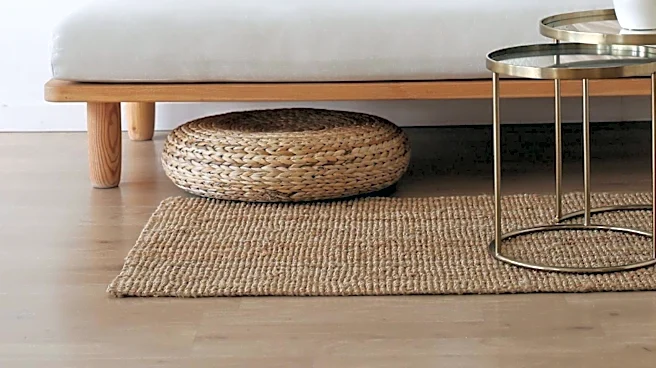
Scandinavian minimalism is characterized by its focus on simplicity, functionality, and the use of natural materials. This design philosophy aims to reduce decorative elements, retaining only essential components to create tidy and airy living spaces.
Furniture in this style typically features simple designs, clean lines, and an unpretentious aesthetic. The approach prioritizes comfort and practicality, making it particularly suitable for urban environments where space is often limited. The use of bright colors and ergonomic furniture is common, contributing to the visual expansion of spaces and making them feel more open and inviting. This design trend has gained popularity for its ability to blend aesthetic appeal with practical living solutions, moving away from excessive ornamentation towards a more streamlined and purposeful environment.
Why It's Important?
The emphasis on Scandinavian minimalism reflects a broader societal shift towards more sustainable and mindful consumption, impacting U.S. industries and consumer preferences. This design trend encourages a 'buy less, buy better' philosophy, where consumers invest in fewer, higher-quality items that offer authenticity and long-term value. This contrasts with past trends that favored disposable decor and mass-produced aesthetics. For the U.S. market, this means a potential increase in demand for durable, artisan-made pieces and natural materials, influencing manufacturing, retail, and interior design sectors. Businesses that adapt to this preference for quality craftsmanship and sustainable materials are likely to gain, while those relying on fast-fashion home goods may face challenges. The trend also aligns with the circular economy, promoting the use of thrifting, antique sourcing, and heirlooms, which can boost local businesses specializing in vintage and custom goods.
What's Next?
The continued evolution of Scandinavian minimalism is expected to further integrate with concepts like 'warm minimalism,' which incorporates natural textures and comfortable elements while maintaining spatial order. Interior designers will likely continue to blend antique pieces with modern Scandinavian designs to add depth and personality to spaces, moving away from sterile, monochromatic interiors. This trend suggests a sustained demand for materials like solid white oak and hand-troweled plaster, as well as vintage furniture. Consumers are increasingly willing to exceed initial renovation budgets for higher-end, longer-lasting materials, indicating a future where quality and authenticity are paramount. This will drive innovation in sustainable material production and encourage designers to create spaces that tell a story and reflect individual personalities rather than adhering to temporary, mass-market aesthetics.
Beyond the Headlines
The rise of Scandinavian minimalism and its integration with elements like maximalism and warm minimalism signifies a deeper cultural shift towards personal expression and environmental consciousness in home design. This movement challenges the notion of a standardized, impersonal living space, advocating instead for environments that are both functional and deeply personal. Ethically, it promotes responsible consumption by valuing longevity and craftsmanship over fleeting trends, potentially reducing waste and supporting ethical production practices. Culturally, it reflects a desire for comfort, authenticity, and a connection to nature within urbanized settings. This shift could lead to a re-evaluation of what constitutes 'luxury' in home decor, moving from ostentatious displays to understated quality and thoughtful curation. The long-term impact could be a more sustainable and meaningful approach to interior design, where homes are seen as reflections of individual values and stories.