







What's Happening?
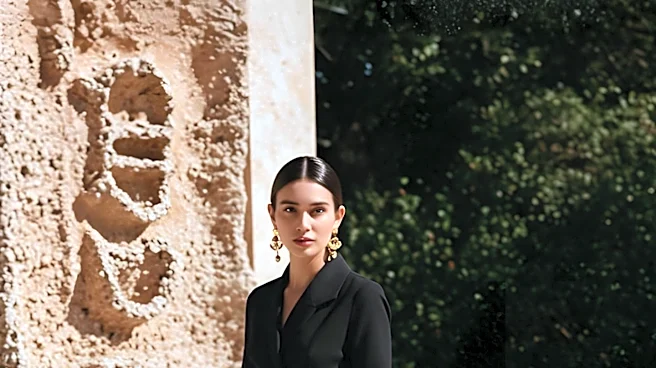
Princess Charlene of Monaco recently visited Les Baux-de-Provence alongside Prince Albert II and their children, Hereditary Prince Jacques and Princess Gabriella. During the visit, Princess Charlene wore an elegant black midi lace dress by Carolina Herrera,
featuring a white floral pattern, a fitted bodice, and a voluminous skirt. This fashion choice has drawn comparisons to a similar black Carolina Herrera dress worn by Queen Letizia of Spain nearly a decade ago. While not identical, both dresses share a recognizable style formula: black, sleeveless, with a round neckline and subtle white details. Charlene's dress updates this formula with embroidered flowers and a sophisticated midi silhouette, while Queen Letizia's earlier version featured subtle sequin sparkles. The visit itself was significant, highlighting the historical ties between Monaco and Les Baux-de-Provence, a French town that became a marquisate granted to Hercule Grimaldi in 1642. Hereditary Prince Jacques, who received the title of Marquis of Les Baux at birth in 2014, was symbolically presented with the keys to the town, echoing a similar event involving his father, Albert, and Princess Grace in 1982.
Why It's Important?
This event underscores the enduring influence of royal fashion and the subtle ways in which public figures, particularly those in royal families, can set trends or draw comparisons through their sartorial choices. The comparison between Princess Charlene and Queen Letizia highlights a broader trend in royal fashion where classic, elegant designs are reinterpreted and updated over time, demonstrating the timeless appeal of certain style formulas. For the fashion industry, such high-profile endorsements, even through stylistic similarities, can bring renewed attention to designers like Carolina Herrera and specific garment styles. Beyond fashion, the visit itself reinforces the historical and cultural connections between European royal houses and their ancestral territories. The symbolic presentation of the keys to Hereditary Prince Jacques emphasizes the continuation of a centuries-old tradition, linking the Grimaldi family to its historical roots in France. This public display of heritage and continuity is important for maintaining the public image and historical narrative of monarchies, showcasing their role in preserving cultural legacies.
What's Next?
While no immediate future events are directly tied to this specific fashion moment, it is likely that Princess Charlene will continue to be a figure of interest in royal fashion, with her choices potentially influencing trends and drawing further comparisons to other European royals. The ongoing public appearances of the Monegasque princely family, particularly those involving Hereditary Prince Jacques, will continue to emphasize their historical lineage and connection to various regions. Future visits to other Grimaldi Historic Sites of Monaco or similar culturally significant locations could be anticipated, further solidifying these historical ties. From a fashion perspective, designers and fashion commentators will likely continue to observe and analyze the sartorial choices of Princess Charlene and other royals, looking for emerging trends, reinterpretations of classic styles, and the subtle messages conveyed through their attire. The enduring appeal of black and white combinations in royal wardrobes suggests that this classic pairing will continue to be a staple in future royal engagements.
Beyond the Headlines
The deeper implication of this event lies in the subtle yet powerful role of fashion in royal diplomacy and public perception. Royal attire is rarely just about personal preference; it often carries symbolic weight, reflecting tradition, modernity, and cultural connections. The choice of a dress that echoes a previous royal look can be interpreted as a nod to continuity, a shared aesthetic among European royalty, or even a subtle form of homage. This 'style déjà vu' highlights how royal women, through their fashion choices, contribute to a collective visual narrative that transcends national borders. Furthermore, the historical context of the visit to Les Baux-de-Provence, with its centuries-old ties to the Grimaldi family, underscores the enduring power of heritage and tradition in shaping contemporary royal identities. The symbolic gesture involving Hereditary Prince Jacques receiving the keys to the town is not merely a ceremonial act but a reinforcement of dynastic legacy and the continued relevance of historical titles and connections in a modern world. This blend of fashion, history, and symbolism offers a glimpse into the multifaceted nature of royal public life.