


What's Happening?
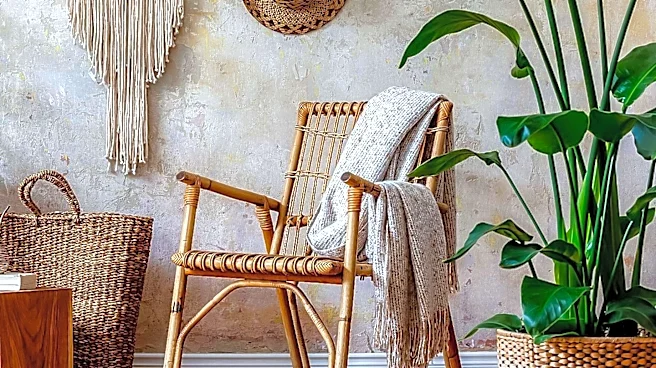
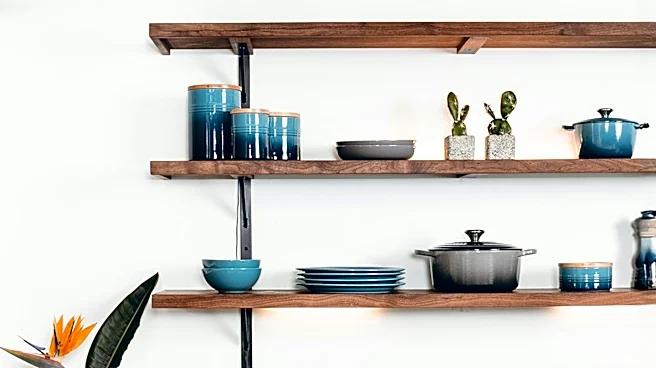
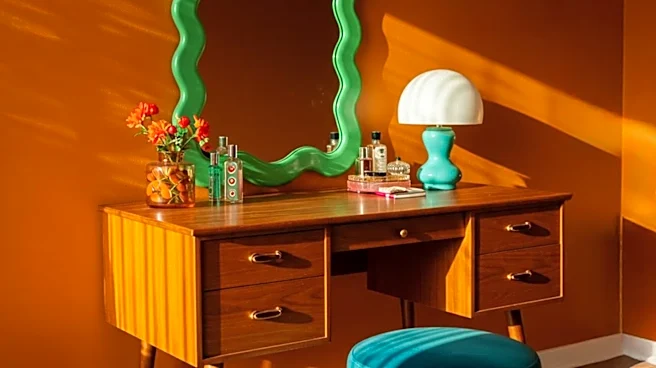
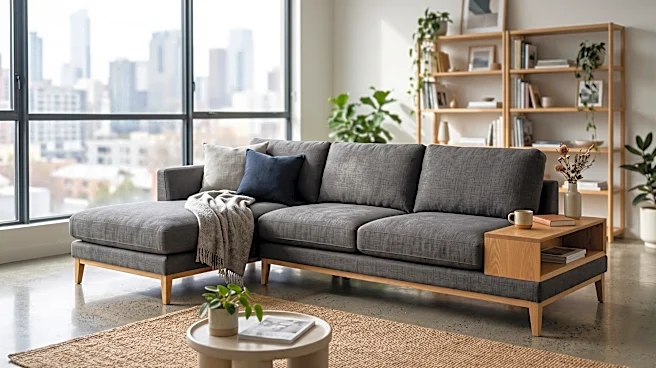
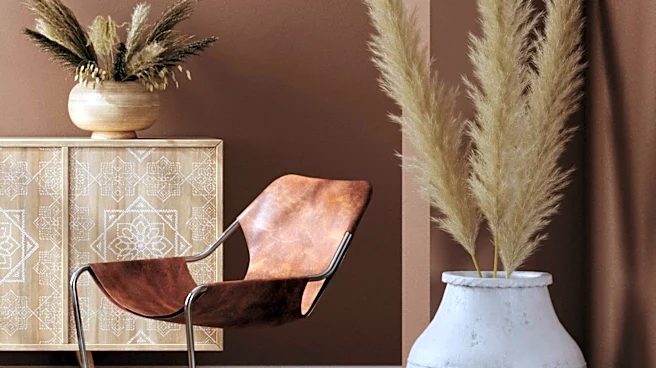
Home decoration trends for 2026 in the U.S. are emphasizing thoughtful design, natural textures, personalized interiors, and functional luxury. Key trends include the use of natural materials like wood and stone, curved furniture with rounded silhouettes,
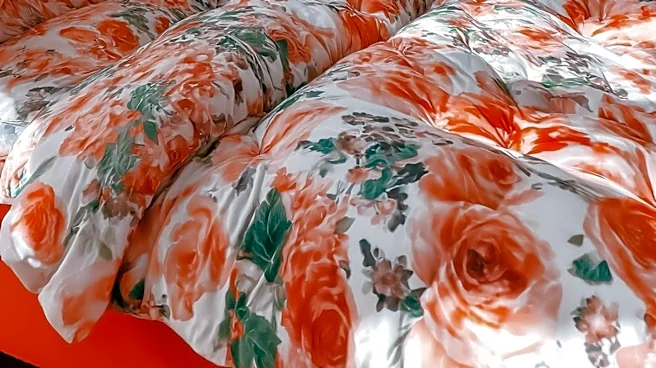
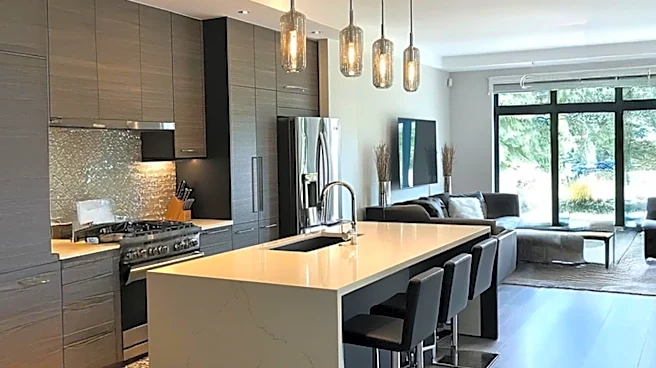
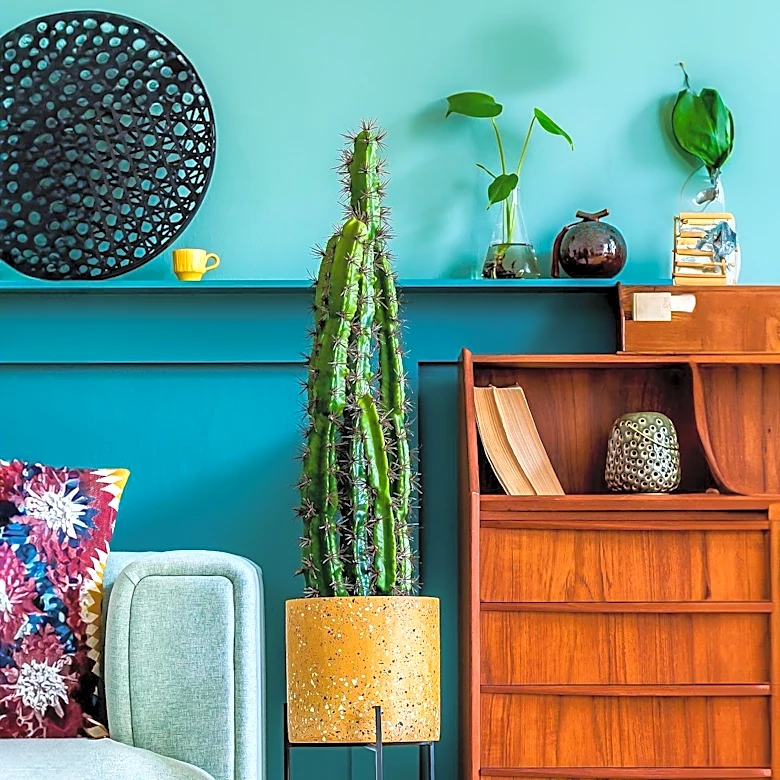
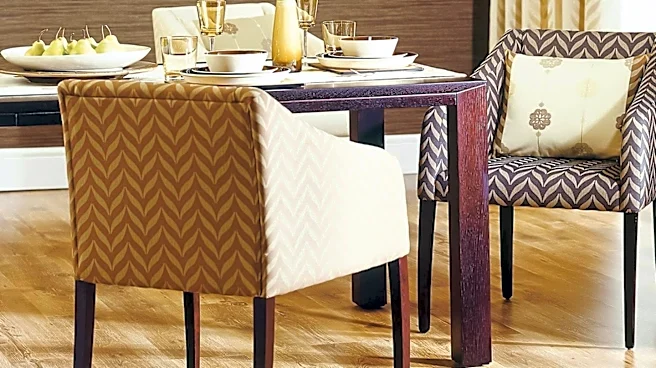
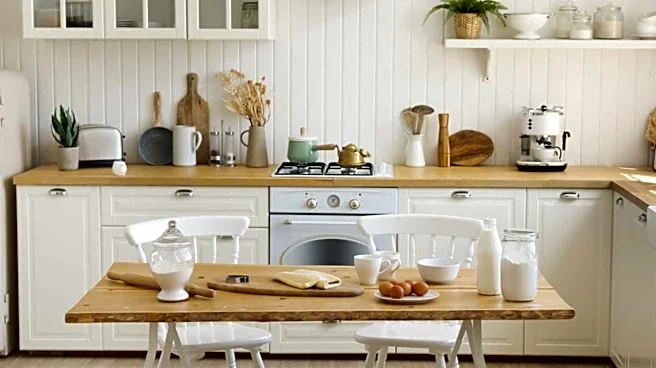
and statement lighting. Earthy color palettes, such as beige, olive green, terracotta, cream, and warm brown, are gaining popularity for creating calm and sophisticated atmospheres. Multifunctional furniture, offering practical storage solutions and adaptability, is particularly useful in modern apartments and is a significant trend. Layered textures, combining materials like wood, glass, metal, velvet, and linen, are also being used to add depth to interiors. The focus is on creating inviting and comfortable living spaces that reflect individual style.
Why It's Important?
These trends significantly influence the U.S. home furnishings market, guiding product development and consumer purchasing decisions. The demand for multifunctional furniture directly addresses the needs of a growing population living in smaller urban spaces or seeking to optimize their existing homes. This creates opportunities for furniture manufacturers and retailers to innovate with versatile designs. The preference for natural materials and earthy tones reflects a broader consumer desire for sustainability, comfort, and a connection to nature, impacting material sourcing and design aesthetics. For interior designers and homeowners, these trends provide a framework for creating stylish, practical, and personalized living environments that align with contemporary lifestyles.
What's Next?
The emphasis on durable furniture, responsibly sourced materials, and long-lasting decorative elements suggests a continued move towards more thoughtful and sustainable home design choices. Consumers are likely to prioritize quality and longevity over fleeting trends. The integration of technology, such as smart lighting and charging solutions, within furniture pieces may also become more prevalent. Retailers and designers will continue to offer curated collections that blend functionality with aesthetic appeal, catering to the evolving preferences for minimalist luxury and personalized spaces. The market will likely see further innovation in modular and adaptable furniture systems to meet diverse living needs.
Beyond the Headlines
The shift towards multifunctional furniture and natural aesthetics in home decor reflects deeper societal values, including a greater appreciation for efficiency, sustainability, and well-being. As urban living becomes more common and remote work continues, the home is increasingly viewed as a versatile sanctuary that must serve multiple purposes. The preference for earthy tones and natural materials can also be seen as a response to the fast-paced digital world, offering a sense of calm and grounding. This evolution in home design is not merely about aesthetics but about creating environments that support modern lifestyles and promote a sense of comfort and harmony.