
What's Happening?
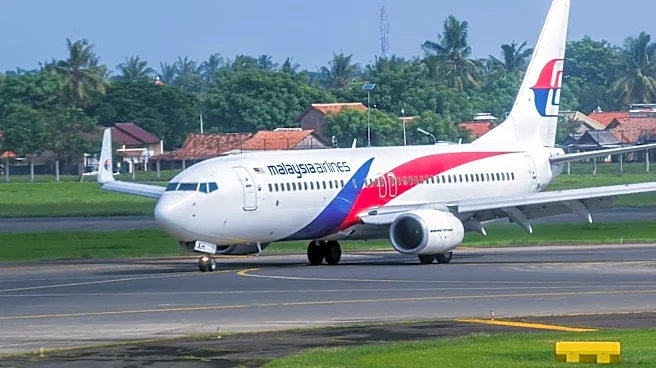
Malaysia Airlines, the national carrier of Malaysia, is set to introduce seasonal direct charter flights connecting Langkawi, a Malaysian island, with Tashkent, Uzbekistan. This new flight program is scheduled
to operate from December 5, 2026, to February 6, 2027. During this period, the airline will offer one round-trip service per week, specifically on Saturdays. The initiative aims to enhance travel options between Uzbekistan and Malaysia, particularly catering to the winter tourist season. Langkawi is known for its ancient rainforests, dramatic rock formations, and scenic beaches, making it a popular winter getaway destination with consistent sunshine from November to March. Malaysia Airlines, founded in 1947 and based at Kuala Lumpur International Airport, is a member of the Oneworld global airline alliance and operates a fleet of approximately 90 Boeing and Airbus aircraft serving various destinations across Asia, Europe, Australia, and the Middle East.
Why It's Important?
This new seasonal route is significant for several reasons. For Malaysia, it opens up a new tourism market, potentially attracting more visitors from Central Asia to Langkawi, boosting the local tourism economy, and supporting related industries such as hospitality, transportation, and retail. For Uzbekistan, it provides a direct and convenient travel option to a popular Southeast Asian destination, which could foster cultural exchange and business ties. The increased connectivity can also benefit Malaysian citizens seeking to explore Central Asia. The focus on the winter tourist season highlights a strategic effort to capitalize on Langkawi's appeal during its peak weather period, ensuring a steady flow of tourists when other regions might experience colder climates. This move by Malaysia Airlines underscores the growing importance of direct air links in facilitating international tourism and economic development between regions.
What's Next?
The launch of these seasonal charter flights will be closely monitored for its success and potential for expansion. If the route proves popular, Malaysia Airlines might consider extending the operational period or increasing flight frequency in subsequent years. Other airlines could also observe the performance of this route, potentially leading to more direct connections between Central Asia and Southeast Asia. Local tourism boards in both Langkawi and Tashkent are likely to initiate promotional campaigns to maximize the visibility and attractiveness of these new travel options. Travelers from both regions can anticipate more streamlined and direct access to each other's countries, which could lead to a rise in tourist numbers and associated economic benefits for both nations.
Beyond the Headlines
The introduction of direct flights between Langkawi and Tashkent could have broader implications beyond immediate tourism and economic benefits. It could foster deeper cultural understanding and exchange between Malaysia and Uzbekistan, two nations with distinct cultural heritages. Such direct links often pave the way for increased business investments and trade opportunities, as easier travel facilitates face-to-face interactions between potential partners. Furthermore, the success of this route could serve as a model for developing similar niche seasonal routes, highlighting the potential for airlines to tap into specific tourist seasons and regional demands. This strategic move by Malaysia Airlines also reflects a global trend of airlines seeking to diversify their routes and explore new markets, especially in regions with growing outbound tourism potential.