




What's Happening?
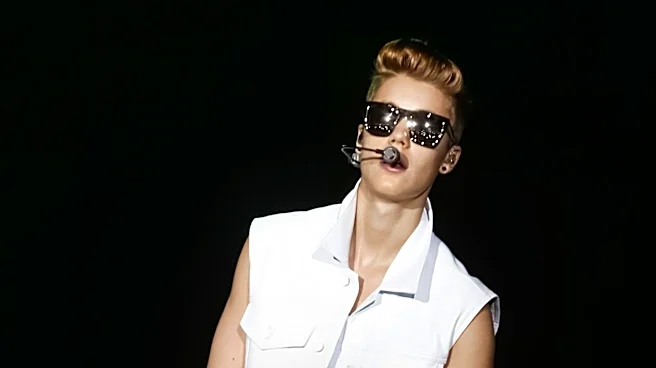
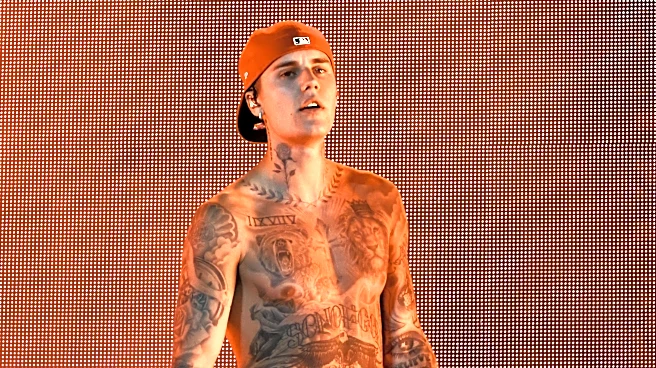
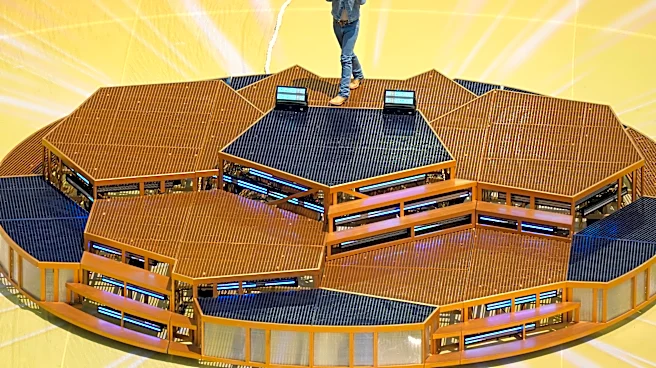
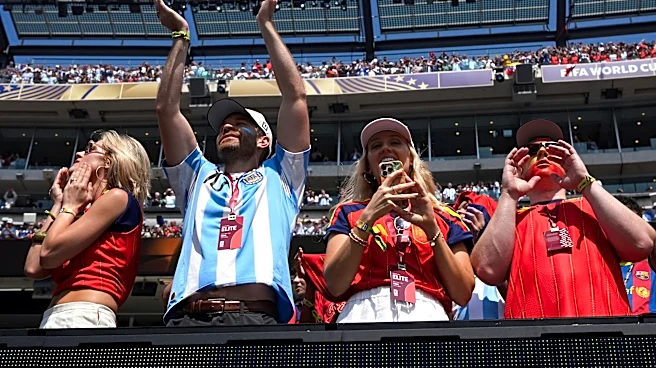
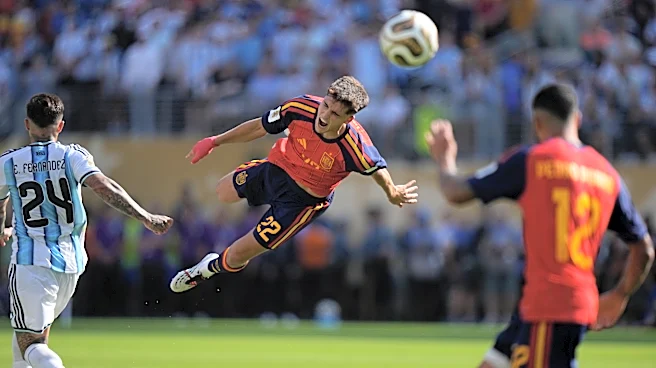
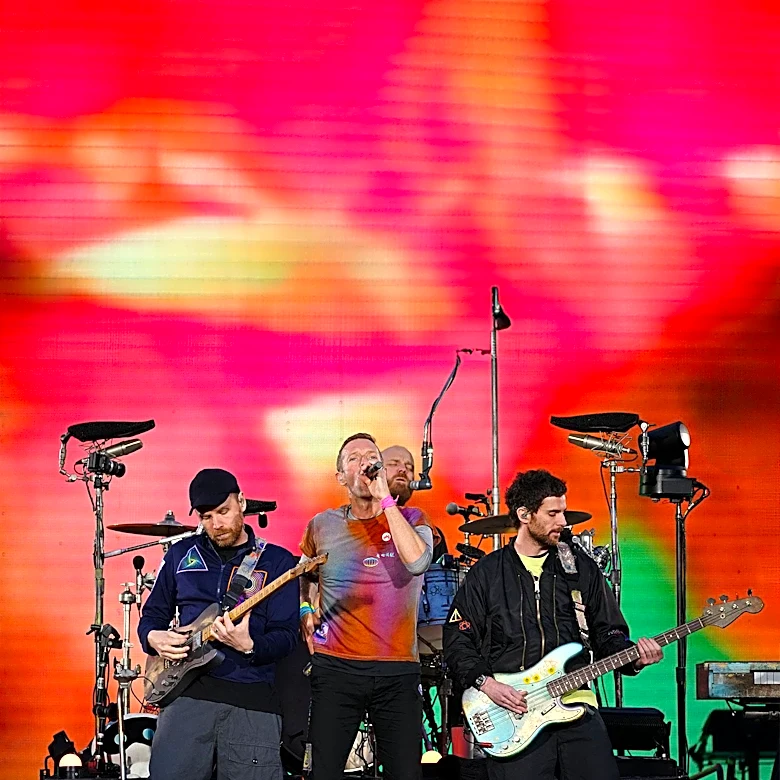
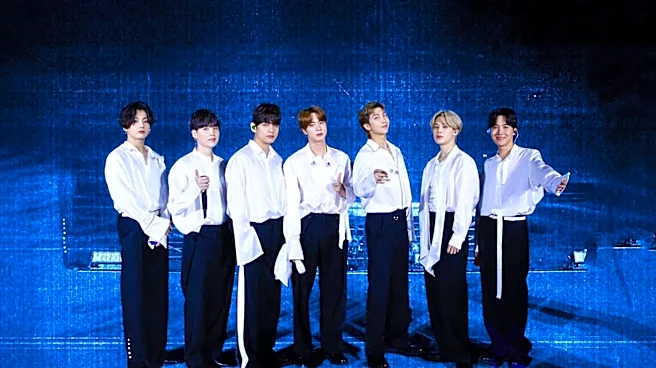
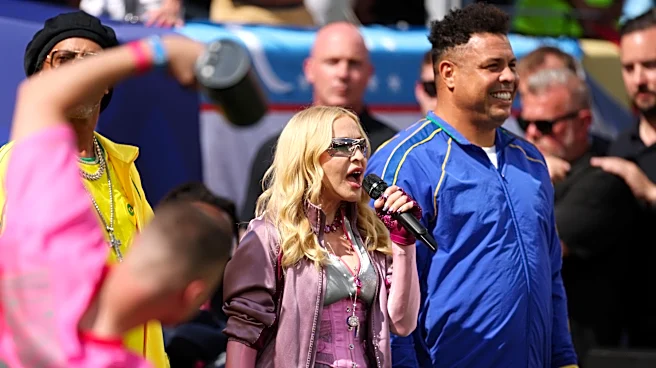
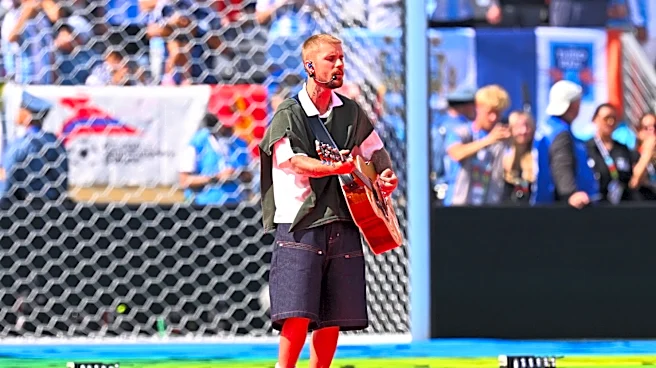
For the first time in its history, the FIFA World Cup final featured a halftime show akin to the Super Bowl, held during the championship match between Spain and Argentina. The event, which took place on July 19, 2026, in East Rutherford, New Jersey,
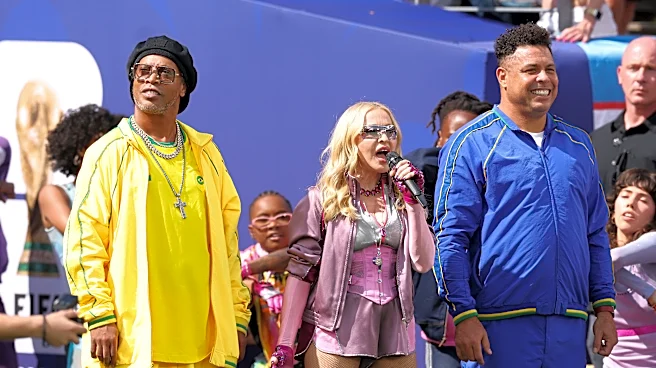
included performances by international stars such as Madonna, Shakira, and Burna Boy. The show was part of FIFA's initiative to enhance the entertainment value of the World Cup and was used as a platform to promote the FIFA Global Citizen Education Fund, aiming to raise $100 million for children's education and soccer access worldwide. The event was attended by President Trump and Melania Trump, adding a political dimension to the proceedings.
Why It's Important?
The introduction of a halftime show at the World Cup final marks a significant shift in how FIFA engages with its global audience, potentially increasing viewership and sponsorship opportunities. By incorporating elements familiar to American sports fans, FIFA may attract a broader audience, including those who may not traditionally follow soccer. The event also highlights FIFA's efforts to leverage its platform for charitable causes, potentially setting a precedent for future tournaments. The presence of high-profile figures like President Trump underscores the intersection of sports and politics, reflecting the global influence of the World Cup.
What's Next?
Following the success of this inaugural halftime show, FIFA may consider making it a permanent feature of future World Cup finals. This could lead to increased collaboration with international artists and further integration of entertainment into sports events. Additionally, the focus on charitable initiatives may encourage other sports organizations to adopt similar strategies, using major events to promote social causes. The political implications of such events may also prompt discussions on the role of sports in diplomacy and international relations.