





What's Happening?
Hyundai Motor Group, encompassing Hyundai, Kia, and Genesis, has announced ambitious plans to launch 100 new or refreshed vehicles globally by 2030. This extensive rollout includes 58 vehicles specifically for North America. The company aims to significantly
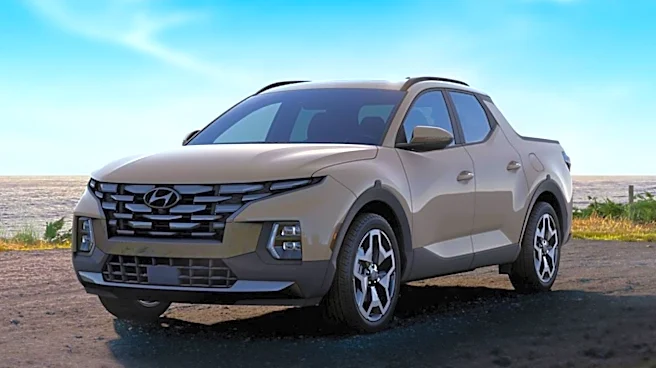
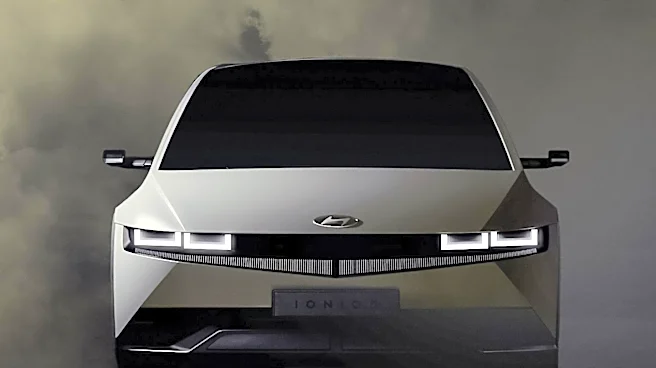
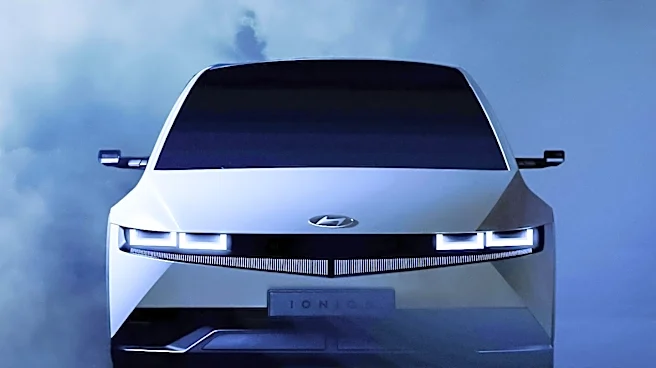
increase its global sales to 5.5 million vehicles by 2030, up from 4.1 million in 2025. A key component of this strategy is the aggressive push into electrified vehicles, which are projected to constitute 60% of their sales mix by 2030, a substantial increase from 23% in 2025. Over the next eight months, Hyundai will introduce seven new vehicles, including the new Elantra, IONIQ 3, new Tucson and Tucson Hybrid, its first Santa Fe EREV, and new electric SUVs for various markets. The company is also investing heavily in advanced technologies such as AI, robotics, software, and batteries, transitioning from a traditional automaker to a technology and physical AI company.
Why It's Important?
This strategic shift by Hyundai Motor Group holds significant implications for the U.S. automotive market and broader industry trends. With 58 new or refreshed vehicles slated for North America, U.S. consumers will see a wider array of choices, particularly in the rapidly growing electrified vehicle segment. Hyundai's focus on electric vehicles (EVs), hybrids, and extended-range electric vehicles (EREVs) will intensify competition with established players like Tesla and traditional automakers, potentially driving innovation and affordability in the EV market. The company's investment in AI, robotics, and software signifies a broader industry trend towards integrating advanced technology into vehicles, impacting manufacturing processes, vehicle features, and potentially creating new job opportunities in tech-related automotive fields. This expansion also positions Hyundai to capture a larger share of the U.S. market, where it has already demonstrated significant growth, becoming the third-largest auto group globally in terms of volume.
What's Next?
In the immediate future, Hyundai will launch seven new vehicles over the next eight months, including several hybrid and electric models, which will begin to appear in U.S. dealerships. The company plans to introduce a new electric D-segment SUV, positioned above the IONIQ 5, which could be a significant addition to the U.S. market given the popularity of SUVs and EVs. By 2028, Hyundai intends to apply Level 2 ADAS to its first mass-produced SDV model through a partnership with NVIDIA, indicating a move towards more advanced autonomous driving features. Furthermore, Hyundai's in-house autonomous driving AI, Atria AI, will start collecting data in Korea by the end of 2026, with the goal of offering Level 2 to Level 4 autonomous driving capabilities. The introduction of the Pleos Connect infotainment system, built on Android Automotive OS, will also enhance the in-car technology experience for consumers.
Beyond the Headlines
Hyundai's aggressive electrification and technology integration strategy extends beyond simply selling more cars; it represents a fundamental redefinition of the automotive industry. By aiming for 60% electrified vehicle sales by 2030, Hyundai is contributing to global efforts to reduce carbon emissions and combat climate change, aligning with evolving consumer preferences and regulatory pressures. The company's transition into a 'tech and physical AI company' suggests a future where vehicles are not just modes of transport but sophisticated, connected devices that integrate seamlessly into daily life. This shift could lead to new business models, such as subscription services for advanced features or data-driven personalized experiences. The emphasis on AI and robotics also raises ethical considerations regarding job displacement in traditional manufacturing and the responsible development and deployment of autonomous technologies, which will require careful navigation by both the industry and policymakers.