






What's Happening?
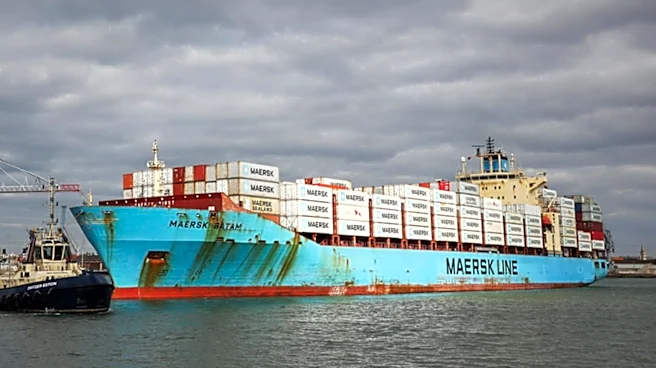
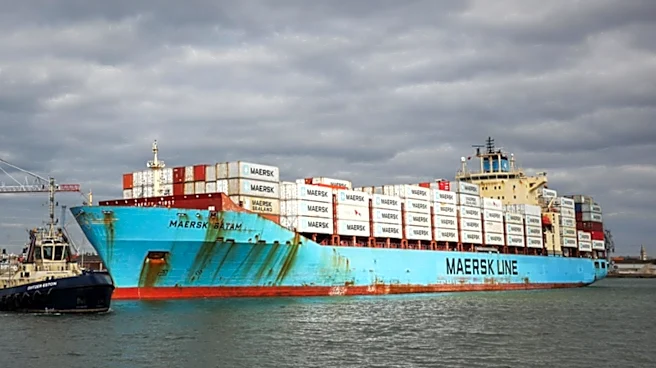
Maersk, a global shipping giant, has announced a revision to its Peak Season Surcharge (PSS) for cargo originating from the Indian Subcontinent and Middle East destined for the US East Coast and Gulf regions. This adjustment will take effect on November
14, 2026. The revised PSS applies to specific container types and scopes for non-SPOT bookings. For non-FMC regulated bookings, the Price Calculation Date (PCD) refers to the scheduled departure date of the first water leg at the time of booking confirmation. For Federal Maritime Commission (FMC) regulated bookings, the PCD is defined as the last container gate-in date for non-spot bookings. The PSS will not be applied to SPOT bookings. This change is part of Maersk's ongoing efforts to maintain its global services and is subject to other applicable surcharges, including local and contingency charges. The company emphasizes that these rates are independent of any tariffs notified, published, or filed in accordance with local regulatory requirements.
Why It's Important?
This revision in Maersk's Peak Season Surcharge holds significant implications for U.S. importers and consumers, particularly those relying on goods from the Indian Subcontinent and Middle East. An increase in shipping surcharges can directly translate to higher import costs, which may then be passed on to consumers through increased retail prices. Businesses operating in these trade lanes will need to adjust their logistics and budgeting to account for the new PSS, potentially impacting their profit margins and competitive pricing strategies. The distinction between FMC and non-FMC regulated bookings highlights the regulatory framework governing international ocean transportation to the U.S., underscoring the role of the Federal Maritime Commission in overseeing such charges. This move by a major carrier like Maersk can also influence other shipping lines to review their own pricing structures, potentially leading to broader market adjustments in ocean freight rates.
What's Next?
U.S. businesses engaged in trade with the Indian Subcontinent and Middle East should prepare for the implementation of Maersk's revised Peak Season Surcharge on November 14, 2026. Importers will need to review their existing contracts and future shipping plans to understand the financial impact of these changes. They may consider negotiating new terms with Maersk or exploring alternative shipping options to mitigate potential cost increases. The Federal Maritime Commission (FMC) will likely continue to monitor such surcharges to ensure compliance with U.S. shipping regulations, especially for trades subject to the US Shipping Act. Businesses can access the latest rate structures and tariff levels directly on Maersk's Tariff Lookup page for up-to-date information. The broader shipping industry will be watching to see if other carriers follow suit with similar surcharge adjustments.
Beyond the Headlines
The adjustment of peak season surcharges by major shipping lines like Maersk reflects the dynamic nature of global supply chains and the ongoing challenges in international ocean transportation. Factors such as fluctuating demand, fuel costs, port congestion, and geopolitical events can all contribute to the need for such surcharges. While these surcharges are intended to help carriers manage operational costs and maintain service levels, they can also spark debates about fairness and transparency within the industry. The role of regulatory bodies like the Federal Maritime Commission becomes crucial in ensuring that these charges are justified and do not create undue burdens on shippers and, ultimately, consumers. This situation also underscores the interconnectedness of global economies, where shipping cost adjustments in one region can have ripple effects on consumer prices and business operations in the United States.