




What's Happening?
Commercial building systems are undergoing a significant transformation with the adoption of AI-powered predictive maintenance. This advanced approach moves beyond traditional reactive and preventive maintenance strategies by leveraging continuous data,
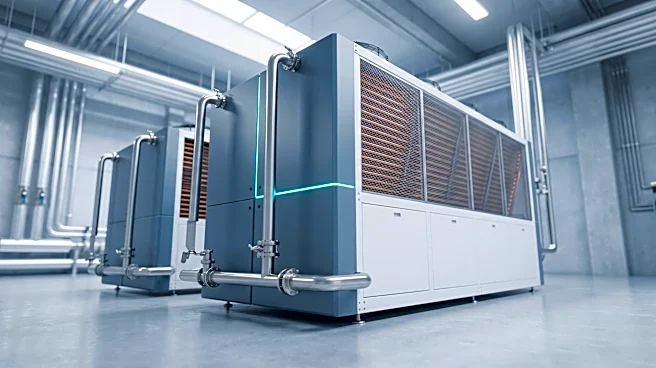
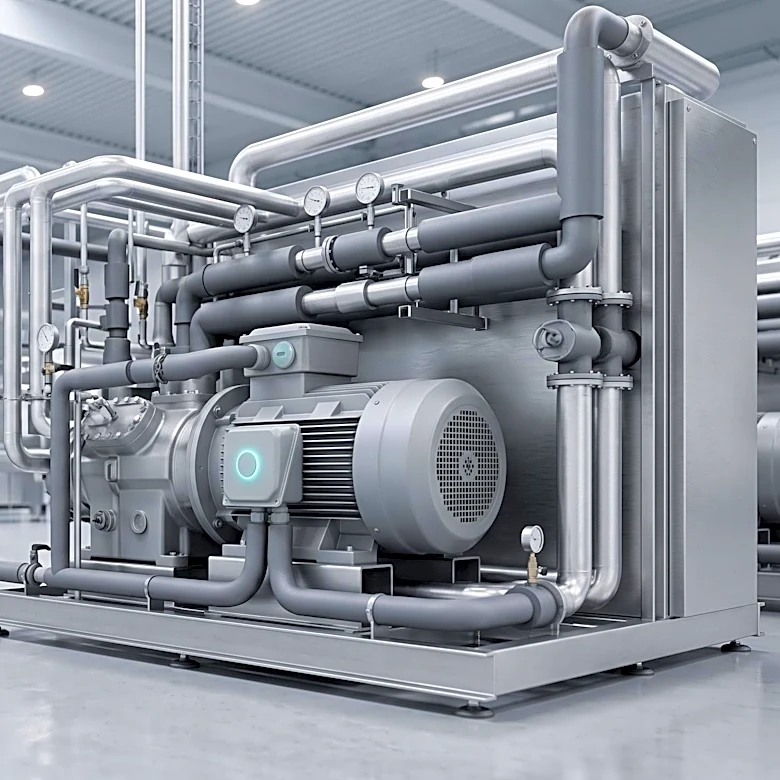
advanced analytics, and machine learning to assess the real-time condition of building infrastructure. Instead of waiting for equipment to fail or adhering to fixed schedules, AI-enabled analytics continuously evaluate operational variables such as pressure anomalies, temperature deviations, and vibration patterns in systems like chillers, boilers, and air handlers. This allows facility managers to pinpoint the exact moment a component begins to degrade, enabling them to schedule maintenance precisely when needed. Trane Commercial HVAC, for example, utilizes secure cloud-based digital platforms to ingest and analyze structured data (e.g., equipment runtimes, historical settings) and unstructured data (e.g., occupancy trends, weather forecasts) to learn baseline behaviors and identify subtle cues of impending failure.
Why It's Important?
The shift to AI-powered predictive maintenance is critical for commercial facilities due to its profound impact on operational efficiency, cost reduction, and occupant comfort. Traditional maintenance often leads to costly emergency repairs, unnecessary servicing of functional components, and missed hidden failures. By contrast, predictive maintenance increases equipment lifespans, preserves labor resources by optimizing maintenance schedules, and significantly reduces system-wide failures. This proactive approach minimizes unexpected downtime, which can be particularly disruptive and expensive in commercial settings. Furthermore, by identifying issues before they escalate, building operators can maintain consistent indoor environments, preventing discomfort for occupants and avoiding potential complaints. The ability to 'listen to their buildings' through AI insights allows for smarter, more strategic management of complex HVAC infrastructure, contributing to overall building resilience and sustainability.
What's Next?
The future of commercial building management will see an accelerated integration of AI and machine learning into all aspects of facility operations. As AI models become more sophisticated, they will not only predict failures but also offer more precise prescriptive actions, potentially even initiating automated responses for minor issues. The development of digital twins—virtual replicas of physical facilities—will become more prevalent, allowing facility managers to simulate the impact of changes and predict system behavior with greater accuracy. This will further enhance disaster recovery and business continuity planning. Additionally, the data collected by these systems will become increasingly valuable for regulatory compliance and energy optimization, driving further advancements in sustainable building practices. The industry will also need to address the talent gap, training facility managers to work with data analytics and AI-driven dashboards, and ensuring robust cybersecurity protocols are in place to protect connected infrastructure.
Beyond the Headlines
Beyond the immediate benefits, AI-powered predictive maintenance signifies a broader digital transformation in the built environment, moving towards self-optimizing operations. This evolution has ethical implications regarding data privacy and security, as vast amounts of operational data are collected and analyzed. The reliance on AI also raises questions about the future role of human labor in maintenance, shifting from manual tasks to oversight and strategic decision-making. Culturally, it fosters a more data-driven and proactive approach to facility management, encouraging continuous learning and adaptation. The long-term impact includes the potential for significantly greener buildings through optimized energy use and reduced waste, contributing to broader climate goals. This technological shift also positions buildings as intelligent, responsive entities, capable of adapting to changing environmental conditions and occupant needs, thereby enhancing their value and longevity.