

What's Happening?
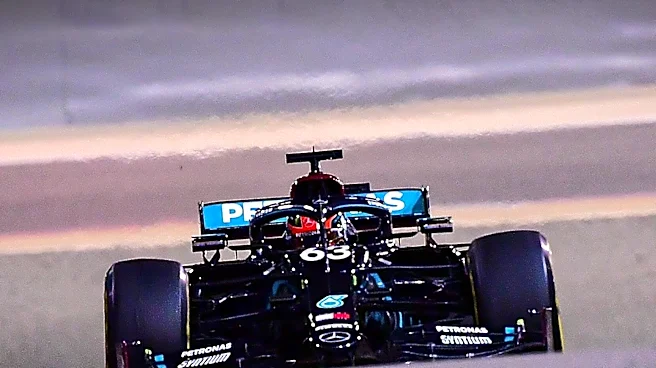
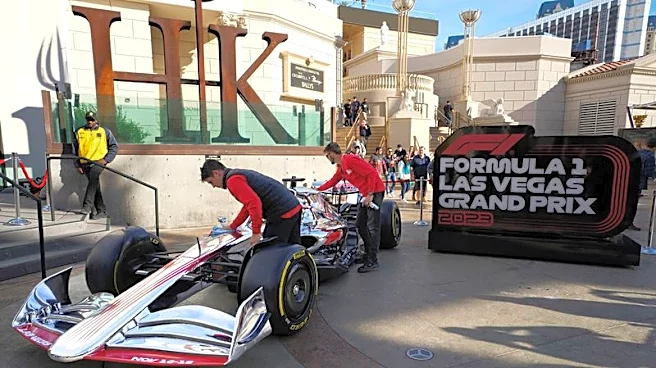
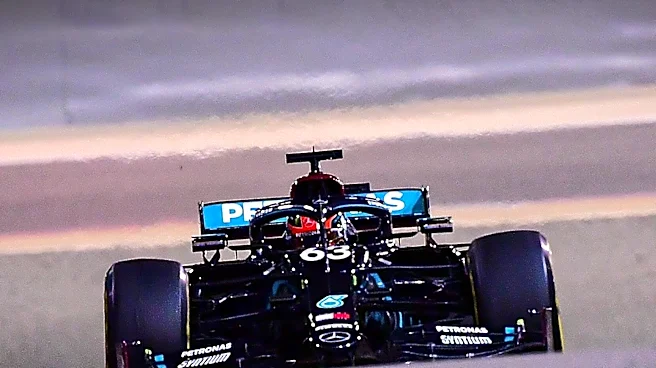
Mercedes-AMG Petronas Formula 1 Team has decided not to provide driver George Russell with its new ADUO-enabled turbo specification at the upcoming Las Vegas Grand Prix. This decision, explained by Team Principal Toto Wolff, is due to Russell having already
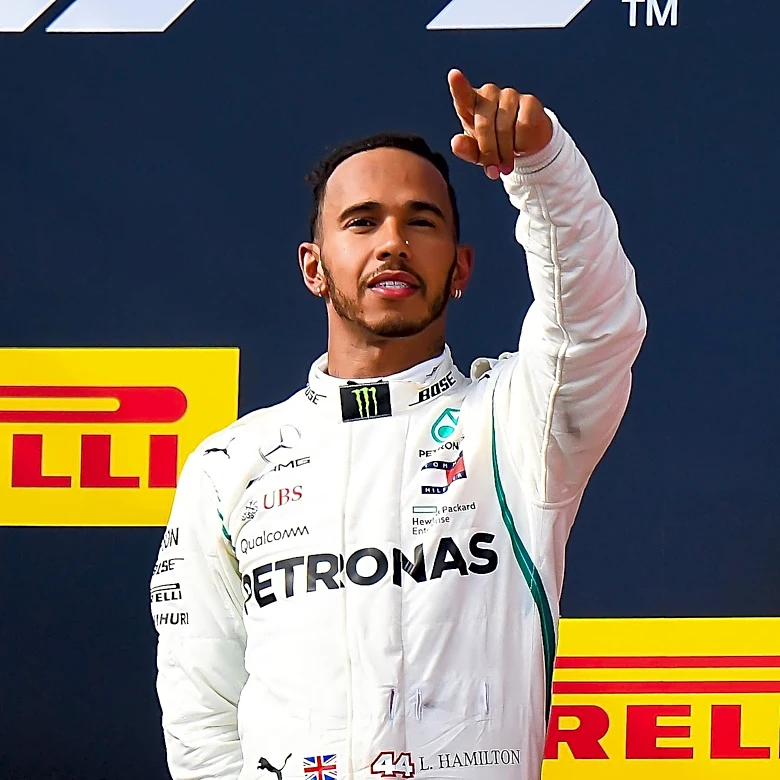
exceeded his season's engine allocation. Installing the new turbo would incur a grid penalty, which Mercedes deems too significant given the 'relatively small' performance benefit expected from the upgrade. Instead, the new turbo will be tested by Kimi Antonelli, who remains within his engine allocation. The team's primary goal for Russell in the final races of the 2026 season is to secure the highest possible position in the Drivers' Championship, where he is currently third, just one point ahead of Lewis Hamilton and 17 points behind Max Verstappen.
Why It's Important?
This strategic decision by Mercedes highlights the critical balance between performance enhancement and championship positioning in Formula 1. For George Russell, avoiding a grid penalty is crucial as he is in a tight battle for second place in the Drivers' Championship. A penalty could significantly jeopardize his standing, impacting not only his individual achievement but also Mercedes' overall team performance and prestige. The introduction of the ADUO-enabled turbo, even if only for Antonelli, signifies Mercedes' ongoing development efforts for future seasons, particularly 2027. This approach allows the team to gather valuable data on new hardware under race conditions without compromising Russell's immediate championship aspirations, demonstrating a long-term vision alongside short-term tactical considerations.
What's Next?
Mercedes will proceed with testing the new ADUO-enabled turbo specification with Kimi Antonelli at the Las Vegas Grand Prix. For George Russell, the focus will be on maximizing performance with his current engine specification to maintain or improve his position in the Drivers' Championship. The team aims to end the year with momentum and continue unlocking more performance from the car in the remaining three races, which include the Las Vegas Grand Prix and a double-header in the Middle East. The data gathered from Antonelli's car will inform future development for the 2027 season, while Russell's performance will be closely watched as he battles for a higher championship finish.
Beyond the Headlines
The decision to prioritize championship standing over a minor performance upgrade for George Russell underscores the intense competitive nature of Formula 1, where every point and grid position can have significant financial and reputational implications. It also reflects the complex regulatory environment of F1, particularly regarding engine allocations and penalties, which forces teams to make difficult strategic choices. This situation could also influence team dynamics, as one driver receives an upgrade while another does not, potentially affecting morale or perceived favoritism, although Mercedes has framed it as a pragmatic decision to protect Russell's championship fight. The long-term implications for Mercedes involve validating new technology for future seasons, ensuring they remain competitive in the evolving landscape of Formula 1.