





What's Happening?
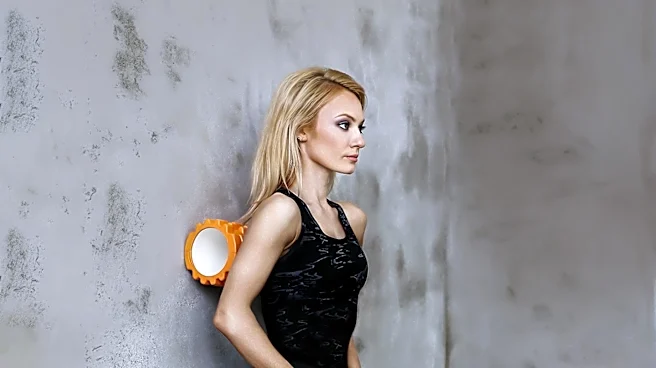
Foam rollers are being highlighted as essential tools for dancers' muscle recovery and flexibility. These devices are used for self-massage, particularly targeting the legs, hips, and back, to enhance the flexibility of muscles and fascia in the lower
extremities. They are effective in addressing common dance-related injuries such as Runner’s Knee, Quadriceps & Hamstring Strains, and Piriformis Syndrome. Different types of foam rollers are available, with varying levels of firmness; for instance, the Trigger Point Grid is noted for its firmness and ability to provide a deep stretch. Beyond injury treatment, foam rollers are also recommended as a regular component of a general stretching and maintenance routine for dancers.
Why It's Important?
The integration of foam rollers into dancers' routines signifies a growing emphasis on proactive injury prevention and recovery within the performing arts. Dancers, regardless of their style—from ballet to line dancing—experience significant physical strain, particularly in their calves, arches of the feet, and thighs. By providing an accessible and effective method for self-massage and myofascial release, foam rollers can help dancers maintain peak physical condition, extend their careers, and reduce downtime due to injury. This trend reflects a broader understanding of athletic recovery and the importance of fascia health, moving beyond traditional stretching to incorporate more targeted tissue work. For the dance community, this means improved performance, reduced pain, and a more sustainable approach to a demanding profession.
What's Next?
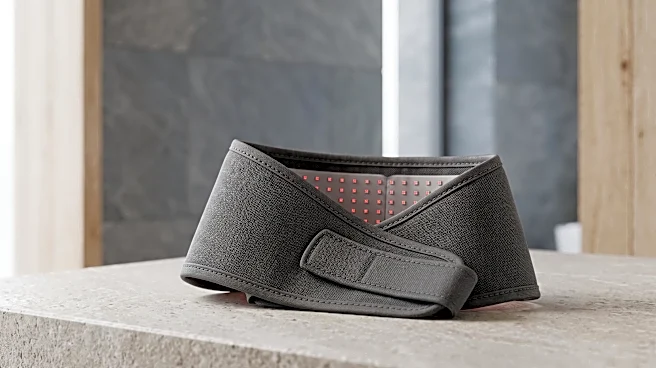
The continued adoption of foam rollers and similar recovery tools is expected to become a standard practice in dance training and post-performance care. Manufacturers like PNEUX are innovating with products such as vibrating foam rollers and specialized compression wraps, indicating a future where recovery tools are increasingly tailored to specific needs and body parts. Educational resources, including guides on proper foam rolling techniques for different muscle groups, will likely become more prevalent. This focus on personalized recovery solutions suggests that dancers will have more options to manage their physical well-being, potentially leading to a reduction in chronic injuries and an overall improvement in their quality of life and performance longevity.
Beyond the Headlines
The widespread acceptance of foam rollers in the dance world underscores a significant cultural shift towards prioritizing self-care and long-term physical health among performers. Historically, dancers often pushed through pain, viewing it as an inherent part of their art. However, the integration of tools like foam rollers reflects a more holistic approach, recognizing that sustained performance requires meticulous attention to the body's recovery and maintenance. This shift also highlights the increasing influence of sports science and physical therapy principles on artistic disciplines, blurring the lines between athletic training and artistic expression. It promotes a healthier, more sustainable career path for dancers, moving away from the 'suffer for art' mentality towards one that values and supports the physical instrument.