




What's Happening?
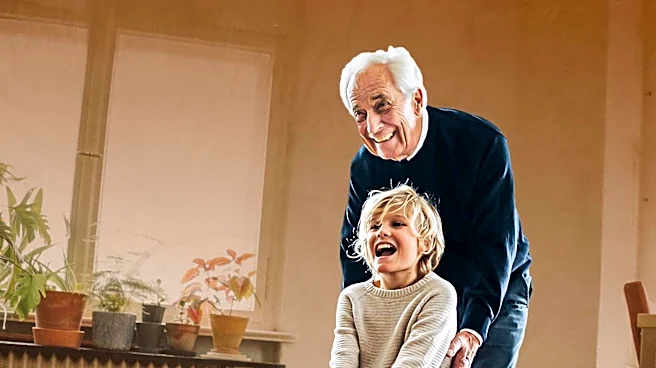
Vicki and Sal Parisella, a couple in Lakeland, Florida, are among the growing number of U.S. grandparents who have taken on the responsibility of raising their grandchildren. The Parisellas are raising two granddaughters, aged 11 and 13, due to their daughter's
inability to care for them full-time. This situation is part of a broader trend where over 1.1 million grandparents aged 60 and older in the U.S. have assumed parenting roles, often due to circumstances such as a child's death, drug use, or health issues. The Parisellas, like many others, face significant financial and emotional challenges, relying on food banks and struggling to make ends meet. Despite these hardships, they remain committed to providing a stable environment for their grandchildren.
Why It's Important?
The increasing number of grandparents stepping into parenting roles highlights a critical social issue in the U.S. This trend underscores the need for more robust support systems for families, particularly those affected by economic hardship and social challenges. Grandparents often face financial insecurity, as many are on fixed incomes and lack access to the same benefits as foster parents. This situation can lead to long-term economic strain and impact the well-being of both the grandparents and the children they care for. The issue calls for policy interventions to provide financial assistance and resources to these families, ensuring that children receive the care and stability they need.
Beyond the Headlines
The phenomenon of grandparents raising grandchildren also raises questions about the adequacy of current social safety nets and the role of extended family in child-rearing. It highlights the resilience and dedication of older adults who prioritize family over personal retirement plans. This trend may also influence future discussions on retirement planning, elder care, and the need for community support systems that address the unique challenges faced by these families.