









What's Happening?
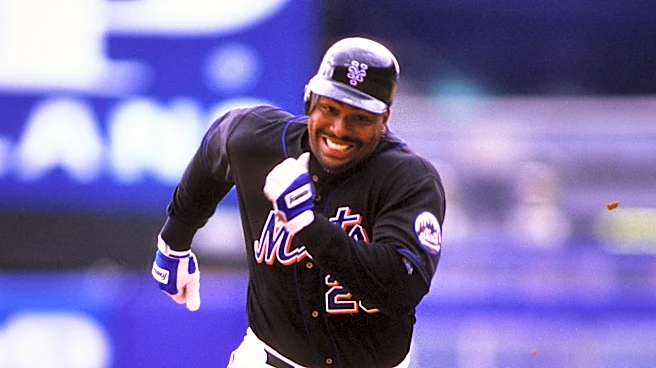
For the 16th consecutive year, the New York Mets have paid former player Bobby Bonilla $1.19 million as part of a deferred compensation agreement. This annual payment stems from a deal made in 2000, when the Mets opted to buy out Bonilla's contract and
defer the remaining $5.9 million with 8% interest, resulting in payments from 2011 to 2035. The arrangement has become a notable example of deferred compensation in sports, often highlighted on July 1, known as 'Bobby Bonilla Day.' Despite the unusual nature of the deal, it has become a lighthearted tradition for both the Mets and Bonilla, who embraces the attention it brings.
Why It's Important?
The ongoing payments to Bobby Bonilla highlight the complexities and potential pitfalls of deferred compensation agreements in professional sports. While such arrangements can provide financial flexibility for teams, they also carry long-term financial commitments that can become burdensome. For the Mets, the deal is a reminder of past financial decisions influenced by the team's involvement with Bernie Madoff's Ponzi scheme. The situation underscores the importance of prudent financial management and the potential consequences of speculative investments. It also serves as a case study for other sports franchises considering similar financial strategies.