

What's Happening?
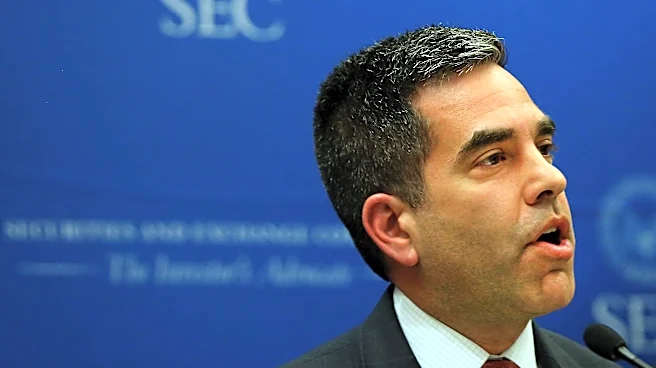
Former Chairman of the U.S. Securities and Exchange Commission (SEC), Gary Gensler, has issued a warning about an impending economic catastrophe stemming from what he describes as an 'already existing' AI bubble. In a late 2026 interview with CNN, Gensler stated
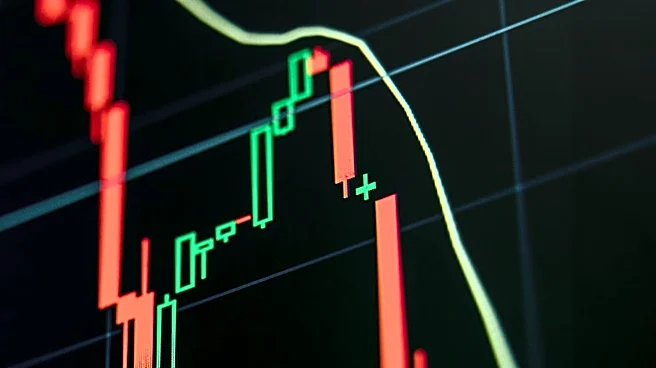
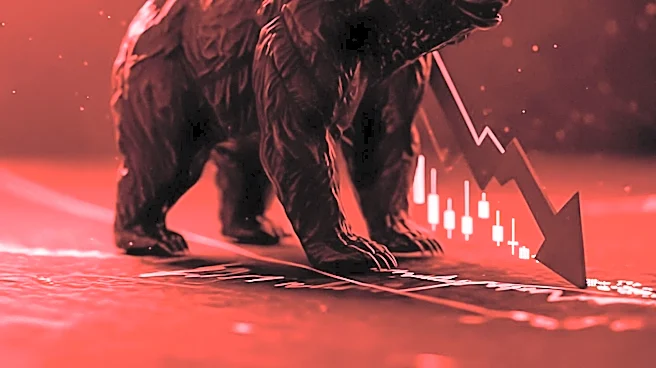
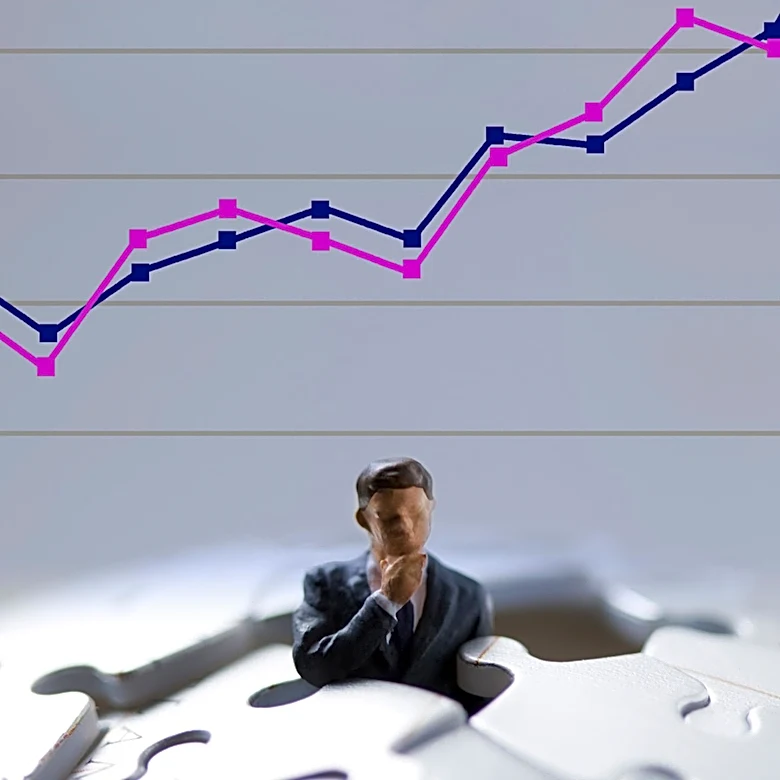
that the significant investments in artificial intelligence infrastructure are outpacing actual revenues, drawing parallels to historical technological booms like the 1920s electrification and the 1990s internet surge, both of which eventually plateaued and retrenched. He suggests that a market crash is inevitable, with the only uncertainty being its severity. Gensler anticipates this downturn will begin before the 2028 election. He advises individuals to prepare for a market correction, likening it to 'battening down the hatches' for a distant storm. This sentiment is echoed by Kristalina Georgieva, Managing Director of the International Monetary Fund, who warned that the global economy is 'standing on one leg, on the AI leg,' and any wobble could lead to financial instability.
Why It's Important?
Gary Gensler's warning carries significant weight due to his past role as SEC Chairman, indicating a potential shift in how financial authorities view the rapid growth in AI investments. His comparison to past economic bubbles, such as the dot-com crash, suggests that the U.S. economy could face a substantial correction. A recession, whether soft or dramatic, would impact various sectors, from technology companies that have heavily invested in AI infrastructure to the broader financial markets. Investors, particularly those in the tech industry, stand to lose if the bubble bursts as predicted. The potential for widespread bankruptcies, especially among smaller 'neocloud' companies that lease specialized AI computing capacity and operate with significant debt, could trigger a ripple effect across the economy. Lenders who have provided substantial funding to these companies may also face considerable losses, raising questions about the prudence of current lending practices in the AI sector.
What's Next?
Gensler predicts that the initial bankruptcies will likely occur within the 'neocloud' sector, comprising companies that provide specialized AI computing capacity and often operate with high debt levels. While major technology giants are expected to weather such a storm, smaller, leveraged players are vulnerable. The former SEC Chairman has questioned the rationale behind the substantial lending to this sector, suggesting that future assessments will likely conclude that too much capital was extended too quickly. The timing of this potential economic downturn is projected to be before the 2028 election. Individuals are advised to take precautionary measures, such as securing their finances, in anticipation of the market correction. The broader financial community will likely monitor AI investment trends and company revenues closely for signs of the predicted plateau or retrenchment.
Beyond the Headlines
The concerns raised by Gary Gensler highlight a recurring pattern in technological advancements where speculative investment outpaces tangible returns, leading to market instability. This situation raises ethical questions about the responsibility of financial institutions and investors to conduct thorough due diligence before pouring capital into emerging technologies. The potential for a significant economic downturn could also trigger a re-evaluation of regulatory frameworks for rapidly evolving sectors like AI, aiming to prevent future bubbles. Culturally, a recession linked to AI could temper public enthusiasm for the technology, potentially leading to more cautious adoption and investment in the long term. The emphasis on infrastructure funding preceding revenue generation underscores a fundamental challenge in innovation: balancing the need for early investment to foster growth with the risk of overcapitalization and subsequent market correction.