
What's Happening?
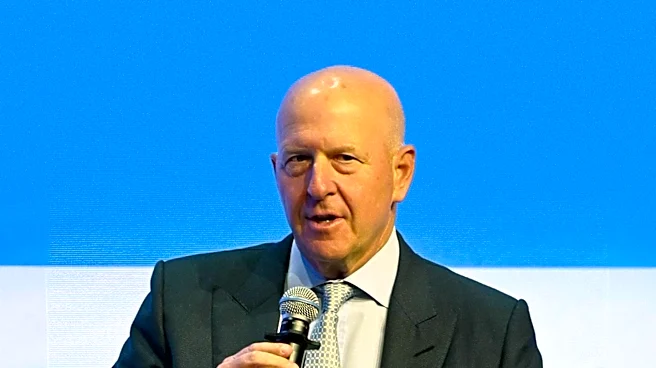
David Solomon, CEO of Goldman Sachs, advocates for a disciplined approach to time management, stressing the importance of being deliberate about daily commitments to maximize every minute. He highlights
that time is an irreplaceable resource, and therefore, purposeful allocation is crucial. Solomon also shared a piece of advice from his grandmother: 'Don't be in a hurry,' which he applies to long-term career goals, balancing daily discipline with patience. He has conveyed this wisdom to younger professionals and small-business owners, emphasizing the value of getting things right over getting them done quickly. This philosophy underscores a belief in thoughtful execution and sustained effort rather than rushed outcomes.
Why It's Important?
Solomon's insights are significant for professionals and businesses, particularly in high-pressure environments like finance. His emphasis on deliberate time management can lead to increased productivity and reduced burnout, fostering a more sustainable work culture. For individuals, adopting this approach can enhance job performance and overall well-being, as suggested by studies linking effective time management to these outcomes. For organizations, promoting such a philosophy can cultivate a workforce that prioritizes quality and strategic thinking, potentially leading to better decision-making and long-term success. The advice to 'not be in a hurry' for long-term goals also encourages a strategic, patient outlook, which can be vital in navigating complex market conditions and achieving substantial growth.
What's Next?
The continued promotion of these time management and career philosophy principles by a prominent figure like David Solomon could influence corporate culture within Goldman Sachs and potentially across the broader financial industry. Younger professionals and aspiring leaders may increasingly adopt these strategies, leading to a shift in how career progression and daily tasks are approached. Companies might explore new training programs or internal initiatives focused on deliberate scheduling and long-term strategic planning. This emphasis could also spark further discussions on work-life balance and sustainable productivity models in demanding sectors, encouraging a re-evaluation of traditional fast-paced work environments.
Beyond the Headlines
Solomon's advice touches upon deeper cultural and psychological aspects of work. The 'don't be in a hurry' mantra challenges the prevailing societal pressure for instant gratification and rapid career advancement, advocating for a more measured and thoughtful journey. This perspective can help combat anxiety and stress associated with career paths, promoting a healthier mental state among employees. Furthermore, by linking time management to personal values and long-term vision, Solomon suggests that effective time use is not merely a productivity hack but a fundamental component of a fulfilling professional life. This holistic view could inspire a broader re-evaluation of success metrics beyond immediate achievements, focusing instead on sustained impact and personal growth.