






What's Happening?
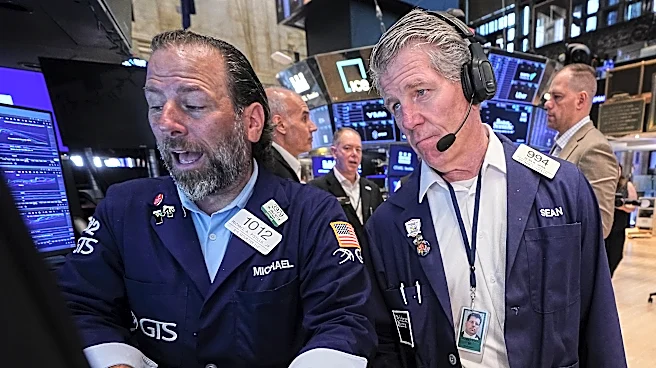
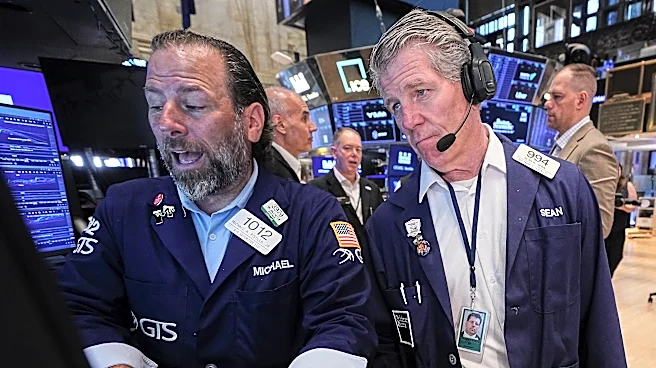
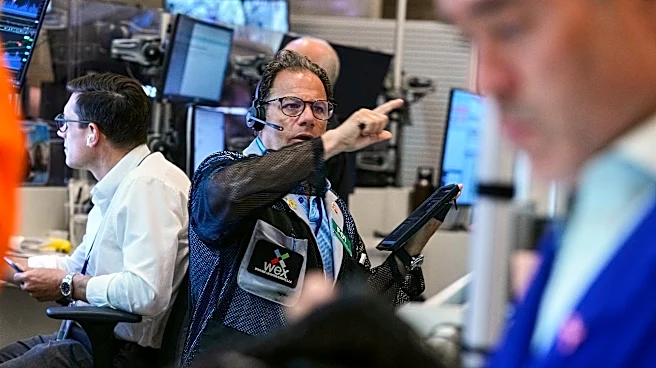
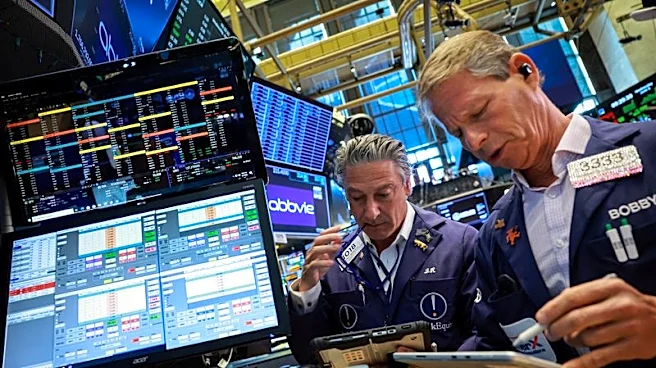
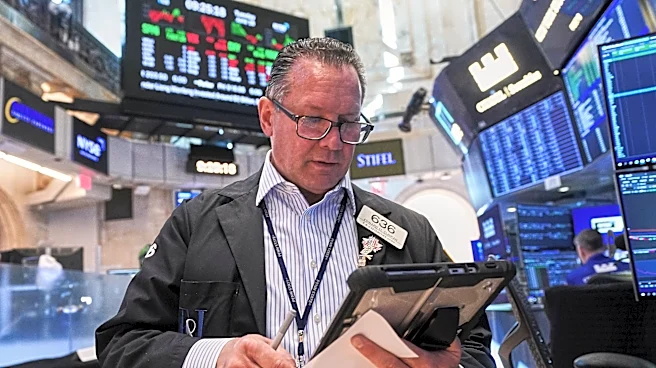
U.S. stock markets experienced significant fluctuations following the Federal Reserve's latest interest rate projections, which suggest a potential rate hike this year. The Standard & Poor’s 500 index fell by 1.2%, erasing earlier gains, while the Dow
Jones Industrial Average dropped by 507 points, or 1%. The Nasdaq Composite also declined by 1.3%. These movements were influenced by the Fed's announcement that nine of its 18 policymakers foresee at least one rate increase in 2026. The bond market also reacted, with Treasury yields climbing, reflecting increased expectations for Fed action. Chairman Kevin Warsh, in his first news conference, emphasized a shift away from forward guidance, urging markets to respond to economic data rather than Fed predictions.
Why It's Important?
The Federal Reserve's potential rate hike has broad implications for the U.S. economy and financial markets. Higher interest rates can slow economic growth by increasing borrowing costs, affecting consumer spending and business investments. The stock market's reaction highlights investor concerns about the impact of rising rates on corporate profits and economic expansion. Additionally, the Fed's new communication strategy, which removes forward guidance, introduces more uncertainty into the market, potentially leading to increased volatility as investors adjust to a more data-driven approach to monetary policy.
What's Next?
Investors and market analysts will closely watch upcoming economic data releases, such as inflation and employment figures, to assess the likelihood of a rate hike. The Federal Reserve's next meeting in late July will be pivotal, as it may provide further insights into the central bank's policy direction. Businesses and consumers will need to prepare for potential changes in borrowing costs, which could influence spending and investment decisions. The Fed's shift in communication strategy may also lead to more dynamic market responses to economic indicators, requiring stakeholders to remain agile in their financial planning.