




What's Happening?
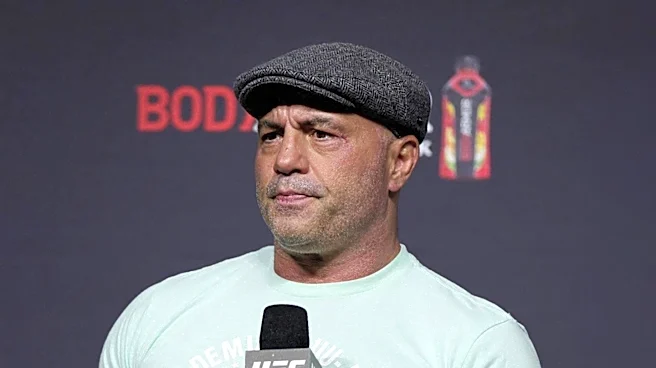
During a recent episode of the Joe Rogan Experience MMA Show, host Joe Rogan explored the idea that elite coaching in martial arts does not necessarily require elite competitive experience. The discussion prominently featured John Danaher, a highly regarded
Jiu-Jitsu coach who achieved significant success despite never competing at a high level himself. Rogan highlighted Danaher's analytical approach to Jiu-Jitsu, emphasizing his ability to dissect techniques, identify weaknesses, and systematically develop athletes. This perspective was reinforced by Sean Sharaf, a guest on the show, who shared his personal struggles in finding quality coaching that provided the analytical breakdown he needed throughout his career. Sharaf credited coaches like Eric Nicksick for offering such insights, underscoring the value of analytical coaching over a coach's competitive record. Rogan asserted that Danaher's dedication to coaching, including his consistent presence seven days a week, is unparalleled, making him a prime example of a successful coach without a competitive background.
Why It's Important?
This discussion on the Joe Rogan Experience MMA Show is important for the broader sports and coaching communities, particularly within combat sports like Jiu-Jitsu and MMA. It challenges the conventional wisdom that competitive success is a prerequisite for effective coaching, potentially shifting how coaching talent is identified and valued. For aspiring coaches, this perspective offers encouragement that a deep analytical understanding and dedication can be more impactful than a personal competitive record. It also highlights the importance of analytical skills in coaching, suggesting that the ability to break down complex techniques and strategize is a critical asset. This could lead to a re-evaluation of coaching methodologies and training programs, potentially fostering a more diverse pool of coaching talent. Athletes, in turn, might benefit from coaches who prioritize analytical instruction, leading to more nuanced and effective training strategies. The conversation also underscores the influence of prominent figures like Joe Rogan in shaping narratives and challenging established norms within the sports world.
What's Next?
The conversation initiated by Joe Rogan regarding coaching philosophy could spark further debate and discussion within the martial arts community. It may encourage more coaches to focus on developing their analytical and instructional skills, rather than solely relying on their competitive past. This could lead to a greater emphasis on coaching education programs that prioritize pedagogical approaches and strategic analysis. Athletes might become more discerning in their choice of coaches, seeking out those who demonstrate a strong analytical grasp of their sport. Additionally, the visibility given to coaches like John Danaher could inspire a new generation of non-competing experts to pursue coaching careers, potentially diversifying the coaching landscape. The ongoing dialogue on platforms like the Joe Rogan Experience will likely continue to influence perceptions and practices within combat sports, potentially leading to a more inclusive and analytically driven coaching environment.
Beyond the Headlines
Beyond the immediate implications for martial arts coaching, this discussion touches upon a broader philosophical question about expertise and leadership across various fields. It suggests that profound understanding and the ability to impart knowledge effectively can sometimes transcend direct experiential mastery. In many professional domains, there's a prevailing belief that one must have 'done it' to teach it. Rogan's argument, exemplified by Danaher, challenges this, proposing that analytical prowess, dedication, and a systematic approach can be equally, if not more, valuable. This could have implications for education, business, and even scientific research, where the role of theoreticians and analysts, who may not be direct practitioners, is crucial. It encourages a re-evaluation of what constitutes 'expert' and how expertise is cultivated and recognized, potentially fostering a greater appreciation for diverse forms of knowledge and contribution.