



What's Happening?
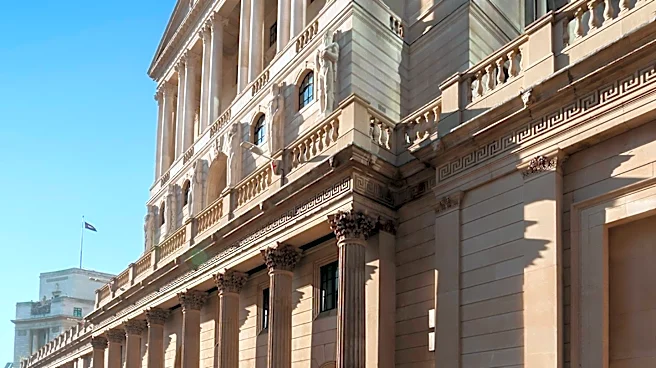
Mortgage borrowers are facing the prospect of another interest rate increase before Christmas, following a warning from Bank of England Governor Andrew Bailey. Bailey indicated that the ongoing conflict in the Middle East could force borrowing costs even
higher due to its impact on global energy prices. This warning comes after UK consumer prices rose by 3.6% in the year to October, up from 3.5% in September, driven largely by higher fuel and energy costs. This figure remains well above the Bank of England’s 2% target. The Bank recently raised its base rate by 0.25 percentage points to 4%, and financial markets are now pricing in a significant possibility of another hike at the Monetary Policy Committee's December meeting.
Why It's Important?
The potential for further interest rate hikes has significant implications for the housing market and household finances. Higher rates mean increased mortgage repayments for those on tracker deals and those whose fixed-rate terms are expiring. This will further squeeze household budgets, already under pressure from rising energy bills and general inflation. Mark Harris, chief executive of SPF Private Clients, noted that borrowers will be concerned about another rate increase. David Hollingworth of L&C Mortgages suggested that recent reductions in fixed mortgage rates might be short-lived. This environment of rising costs and economic uncertainty is expected to keep the housing market price-sensitive, with buyers focusing on affordability and sellers needing to set realistic asking prices.
What's Next?
The Bank of England's Monetary Policy Committee will convene in December to assess further economic data before deciding on another rate adjustment. Financial markets are anticipating a high probability of a December increase. Mortgage borrowers, especially those nearing the end of fixed-rate deals, are advised to secure new offers in advance. Energy consultancy Cornwall Insight forecasts a 26% increase in typical household energy bills from January, adding to the financial strain. The Bank's stance is that future interest rate decisions will be data-dependent, not predetermined. The ongoing volatility in global energy markets, influenced by geopolitical events, will be a critical factor in these decisions.
Beyond the Headlines
The current situation highlights the interconnectedness of global events, energy markets, and domestic monetary policy. Geopolitical conflicts, such as those in the Middle East, can have far-reaching economic consequences, directly impacting household expenses through energy prices and indirectly through central bank responses. The Bank of England's dilemma is to control inflation without unduly stifling economic activity. The challenge is particularly acute when inflation is driven by external supply shocks rather than internal demand. This scenario could lead to a prolonged period of elevated borrowing costs, potentially reshaping consumer spending habits and investment patterns for the foreseeable future, and emphasizing the need for robust financial planning at the household level.