
What's Happening?
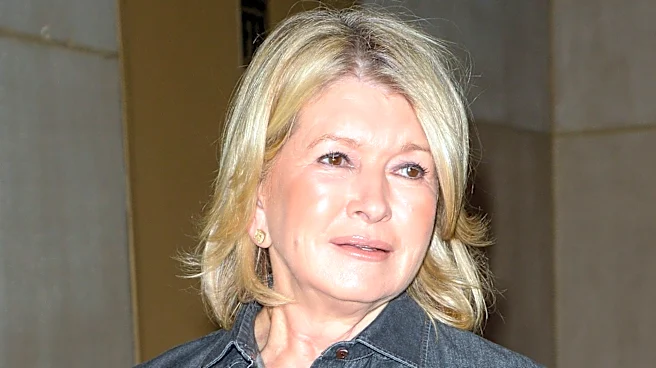
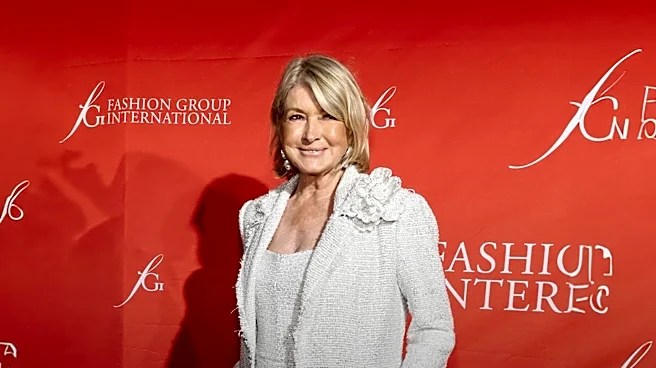
Martha Stewart, the 85-year-old expert in entertaining and homemaking, faced significant backlash and criticism for a Halloween social media post in which she wore a self-crafted 'homeless person' costume.
The controversy began on October 31 when Stewart posted a carousel of photos, including one featuring her in the costume alongside her dogs, promoting candles. The post quickly drew criticism for being insensitive, especially given the nearly 750,000 people experiencing homelessness nationwide. Stewart initially removed the post without explanation. She then issued a statement claiming the costume was intended to raise awareness about homelessness, a statement that was widely perceived as disingenuous. A second apology followed, acknowledging her insensitivity. However, further remarks made at a sales conference, where she attributed the costume choice to a chocolate spill on her sweater by 'Today' co-anchor Craig Melvin, reignited the controversy. Stewart later clarified on the 'Today' show that blaming Melvin was a joke and apologized for the social media post, stating she did not intend to make light of homelessness.
Why It's Important?
This incident highlights the challenges public figures face in managing their image and communications in the age of social media. Stewart's initial missteps in her apology, characterized by a lack of candor and a focus on self-justification rather than the impact on others, exacerbated the negative reaction. Experts in crisis communications, like Adam Galinsky and Maurice Schweitzer, emphasize the importance of a 'good apology' that includes speed, candor, vulnerability, a focus on the victim, a promise to change, and penance. Stewart's struggle to meet these criteria demonstrates how a poorly handled apology can intensify a crisis and damage a brand's reputation, even for established figures. The incident also underscores the heightened public sensitivity to social issues like homelessness and the expectation that public figures will demonstrate empathy and responsibility in their public statements and actions.
What's Next?
While the immediate media coverage of the Halloween costume controversy has begun to wind down, the long-term impact on Martha Stewart's brand value remains to be seen. Crisis communication experts suggest that while damage to her reputation might be fleeting, she missed an opportunity to use the situation for positive brand reinforcement. Effective repair efforts, such as a prompt promise to make amends, could have shifted the narrative from her social media misstep to her commitment to social causes. Moving forward, Stewart will likely need to demonstrate a more consistent and genuine engagement with social issues to rebuild trust and reinforce her brand's image as one of responsibility and empathy. The incident serves as a cautionary tale for other public figures and corporations regarding the critical importance of thoughtful social media engagement and effective crisis management.
Beyond the Headlines
The Martha Stewart Halloween costume controversy delves into deeper implications concerning celebrity culture, social responsibility, and the evolving landscape of public discourse. The immediate and widespread backlash reflects a societal shift where audiences demand greater accountability and authenticity from public figures, particularly regarding sensitive social issues. The incident also highlights the ethical complexities of using social issues for personal or brand promotion, especially when the portrayal is perceived as trivializing or disrespectful. Stewart's repeated attempts at explanation and apology, which often appeared self-focused, underscore a common pitfall in crisis management: the failure to genuinely acknowledge harm and prioritize the feelings of those offended. This event contributes to a broader conversation about the role of influencers in shaping public perception and the imperative for them to be mindful of the potential impact of their actions and words on diverse communities.