




What's Happening?
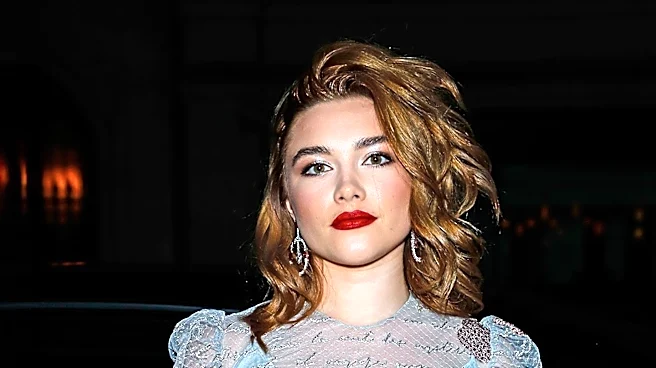
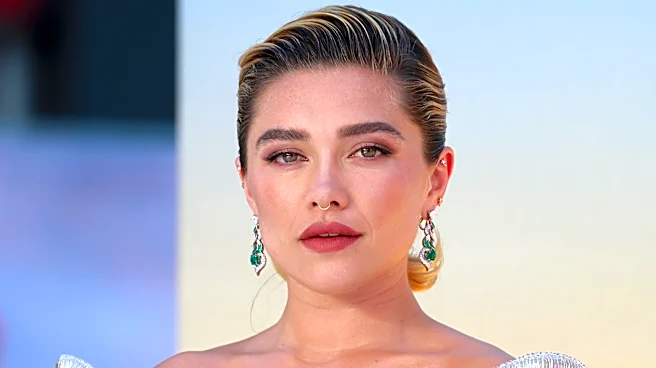
Actress Florence Pugh has publicly addressed and denied recent speculation regarding her appearance, specifically refuting claims of using Ozempic for weight loss and undergoing various cosmetic surgeries. The controversy began after her appearance at the
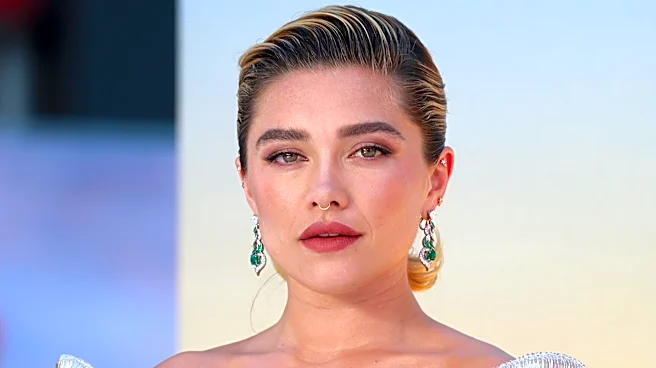
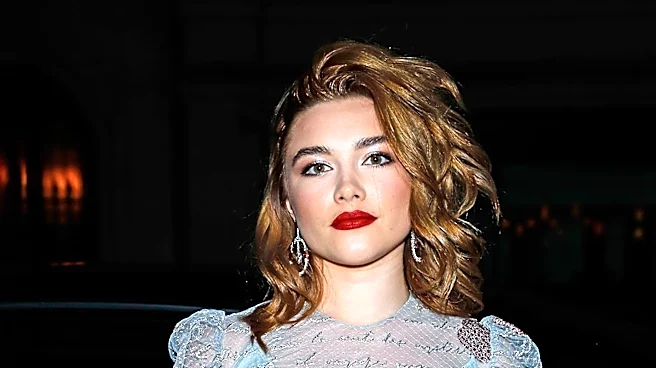
Governors Awards on November 15, which led to social media comparisons of her current photos with older ones. Pugh stated in a lengthy Instagram post on November 18 that she has never used Ozempic and has not had any facial surgeries, including eyelid surgery, fillers, facial liposuction, buccal fat removal, or chin and nose surgery. She clarified that her physical changes are due to turning 30, adopting new habits, and focusing on building muscle and strength, not weight loss. Pugh revealed she has only lost about two pounds while being able to perform six pull-ups and lift 110 kilograms. She also shared a childhood photo to demonstrate her nose has always looked the same and expressed dismay over the use of photos from a time when she was emotionally unwell for comparison.
Why It's Important?
Florence Pugh's public statement highlights the intense scrutiny faced by women in the public eye regarding their physical appearance and the rapid spread of misinformation through social media. Her denial of Ozempic use and cosmetic procedures challenges the prevailing beauty standards often promoted in Hollywood and online, which frequently lead to unrealistic expectations. The situation underscores the pressure on individuals, particularly women, to conform to certain aesthetic ideals, often fueled by speculation and unverified claims. Pugh's experience also brings to light the ethical concerns surrounding AI-generated images, as she has sued publications for falsely depicting her promoting cosmetic injections. This incident contributes to a broader conversation about body positivity, the impact of social media on self-perception, and the responsibility of media outlets in disseminating accurate information versus perpetuating harmful rumors.
What's Next?
Following Florence Pugh's definitive statement, the immediate next steps will likely involve continued public discussion around body image and celebrity scrutiny. It is probable that her stance will empower other public figures and individuals to speak out against similar pressures and misinformation. The lawsuits she has filed against publications for using AI-generated images falsely depicting her receiving cosmetic injections may proceed, potentially setting precedents for how AI-generated content is handled in media and its legal implications for defamation and misrepresentation. This could lead to increased awareness and stricter regulations regarding the use of AI in creating and disseminating images, especially those that falsely portray individuals. Furthermore, Pugh's call for kindness and mindfulness in commenting on others' appearances may encourage a more considerate online environment, though the pervasive nature of social media speculation suggests this will be an ongoing challenge.
Beyond the Headlines
Beyond the immediate headlines, Florence Pugh's experience touches upon deeper societal issues concerning body autonomy, the objectification of women, and the evolving landscape of digital ethics. The rapid proliferation of AI-generated images and the ease with which they can be manipulated to create false narratives pose significant challenges to individual privacy and reputation. This incident underscores the urgent need for media literacy and critical thinking in consuming online content, as well as the development of robust legal frameworks to address the misuse of AI. Culturally, Pugh's pushback against cosmetic surgery rumors and her emphasis on strength over weight loss contribute to a counter-narrative against the often-unrealistic beauty standards perpetuated by the entertainment industry and social media. Her message encourages a more holistic view of health and self-worth, challenging the superficial metrics often used to evaluate women's bodies.