







What's Happening?
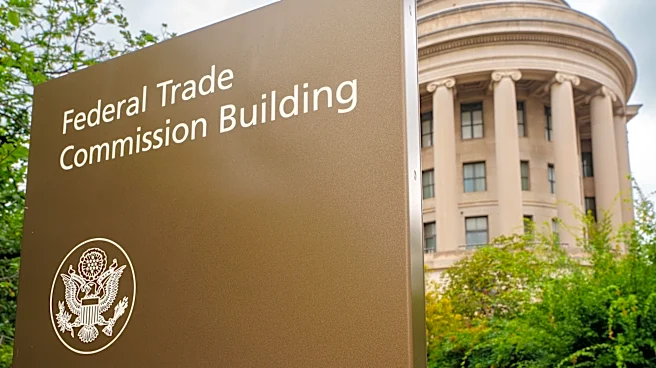
The Federal Trade Commission (FTC) is exploring whether online platforms should be held liable when scammers use their advertising tools to impersonate businesses and government agencies. The FTC has issued an advance notice of proposed rulemaking (ANPRM),
an initial step towards drafting a rule that could extend liability beyond the direct scammer to the platforms hosting the ads. The agency cites evidence, including Reuters reporting on internal Meta documents, suggesting Meta earned an estimated $16 billion from scam ads in 2024. The FTC's broad definition of 'platform' under the ANPRM includes any public-facing website or app where third parties offer goods or services through paid ads, potentially encompassing companies like Google, Meta, Amazon, LinkedIn, and Apple. This initiative challenges the traditional protections offered to online services under Section 230 of the Communications Decency Act, which generally shields them from liability for third-party content.
Why It's Important?
This potential rule change by the FTC has significant implications for the U.S. tech industry and the broader digital economy. If platforms are held more accountable for scam ads, it could fundamentally alter their business models, particularly those heavily reliant on advertising revenue. The debate centers on distinguishing between merely publishing third-party content and materially contributing to deceptive practices. The FTC's approach could lead to increased moderation efforts, stricter advertiser verification processes, and potentially higher operational costs for platforms. Moreover, it raises complex legal questions regarding the interplay between Section 230 protections and First Amendment rights, as platforms argue that their algorithmic content selection constitutes editorial speech. The outcome could redefine the legal responsibilities of online services, impacting how they manage content, protect users, and innovate in the advertising space.
What's Next?
The FTC's ANPRM is an early step, and the agency is currently seeking public comment, indicating a period of deliberation and potential refinement of its proposed rule. The legal landscape is complex, with past court decisions offering varying interpretations of platform liability under Section 230. Future developments will likely involve continued legal challenges and debates over the scope of platform responsibility. The FTC will need to navigate the constitutional hurdle of the First Amendment, especially if a rule governing targeting tools impacts truthful ads. A more direct route to liability might focus on instances where platforms materially contribute to the unlawful part of an ad, rather than merely distributing it. The agency could also consider a 'safe harbor' model, similar to Section 512 of the Digital Millennium Copyright Act, which would offer platforms protection from liability if they establish and follow specific procedures for addressing impersonation reports.
Beyond the Headlines
Beyond the immediate regulatory and legal challenges, the FTC's initiative reflects a growing public demand for greater accountability from tech companies regarding harmful content on their platforms. The proliferation of scam ads not only causes financial harm to consumers but also erodes trust in digital commerce and online interactions. This move could signal a broader shift in regulatory philosophy, moving away from a hands-off approach to one that places more onus on platforms to ensure the safety and integrity of their digital environments. The debate also touches on the ethical responsibilities of AI and algorithmic systems in advertising, particularly when these systems are used to target vulnerable populations. The long-term impact could be a re-evaluation of the balance between free speech, platform responsibility, and consumer protection in the digital age, potentially leading to a more regulated and transparent online advertising ecosystem.