









What's Happening?
Natural gas is poised to overtake oil as the primary energy source in the United States by 2030. This shift is driven by the increasing use of natural gas in electricity generation, facilitated by advancements in fracking and horizontal drilling. These
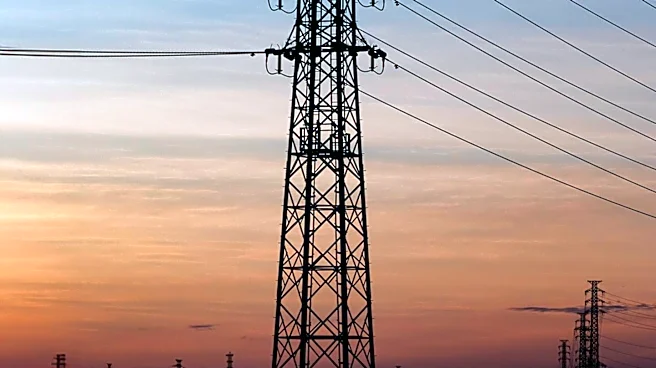
technologies have unlocked vast reserves of natural gas, making it a more economically viable option compared to coal and oil. The Energy Information Administration (EIA) reports that natural gas accounted for 36% of U.S. energy consumption in 2025, closely trailing petroleum at 37%. The rise of electric vehicles and data centers has further increased demand for electricity, much of which is generated by gas-fired power plants.
Why It's Important?
The transition to natural gas as the dominant energy source marks a significant shift in the U.S. energy landscape. It reflects broader trends towards cleaner energy and the reduction of carbon emissions. This change is likely to impact various sectors, including transportation, manufacturing, and utilities, as they adapt to new energy dynamics. The increased reliance on natural gas could lead to greater energy security and price stability, benefiting consumers and businesses. However, it also raises questions about the environmental impact of fracking and the need for sustainable energy practices.
What's Next?
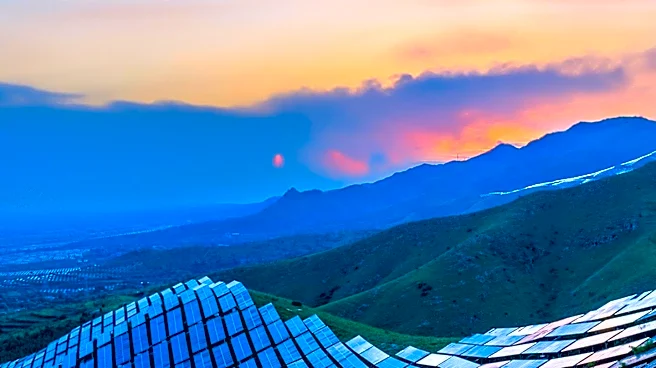
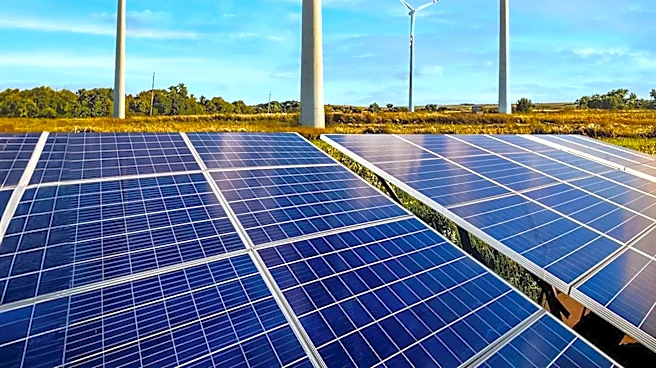
As natural gas becomes the leading energy source, the U.S. energy sector will likely see continued investment in infrastructure to support its production and distribution. Policymakers may need to address regulatory challenges associated with fracking and ensure that environmental standards are met. The growth of renewable energy sources, such as wind and solar, will also play a crucial role in shaping the future energy mix. Stakeholders will need to balance the benefits of natural gas with the need for sustainable and environmentally friendly energy solutions.
Beyond the Headlines
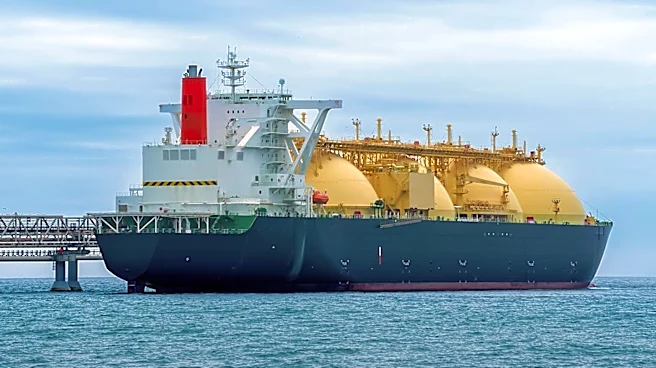
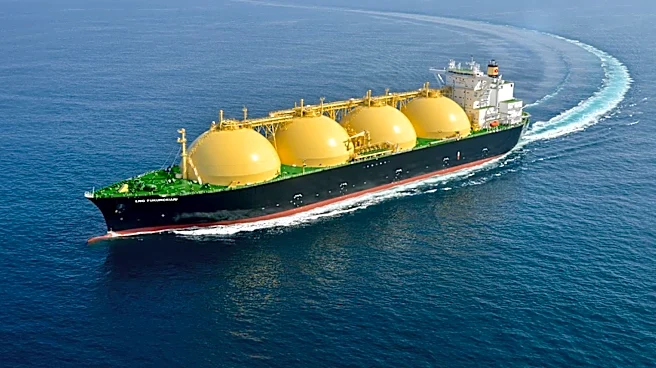
The shift towards natural gas highlights the ongoing energy transition in the U.S., driven by technological advancements and changing consumer preferences. It underscores the importance of innovation in achieving energy efficiency and reducing carbon footprints. This transition may also influence global energy markets, as the U.S. continues to expand its role as a leading exporter of liquefied natural gas (LNG). The move towards cleaner energy sources aligns with global efforts to combat climate change and promote sustainable development.