


What's Happening?
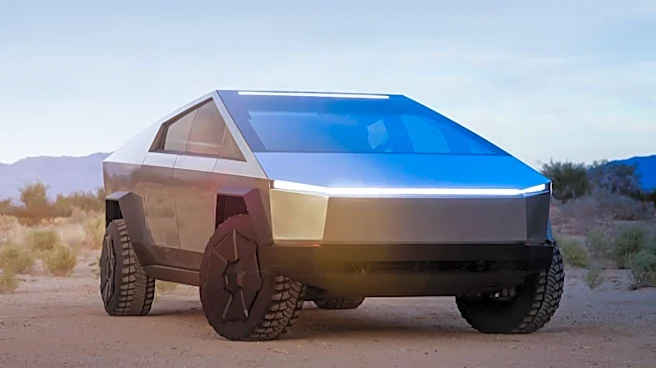
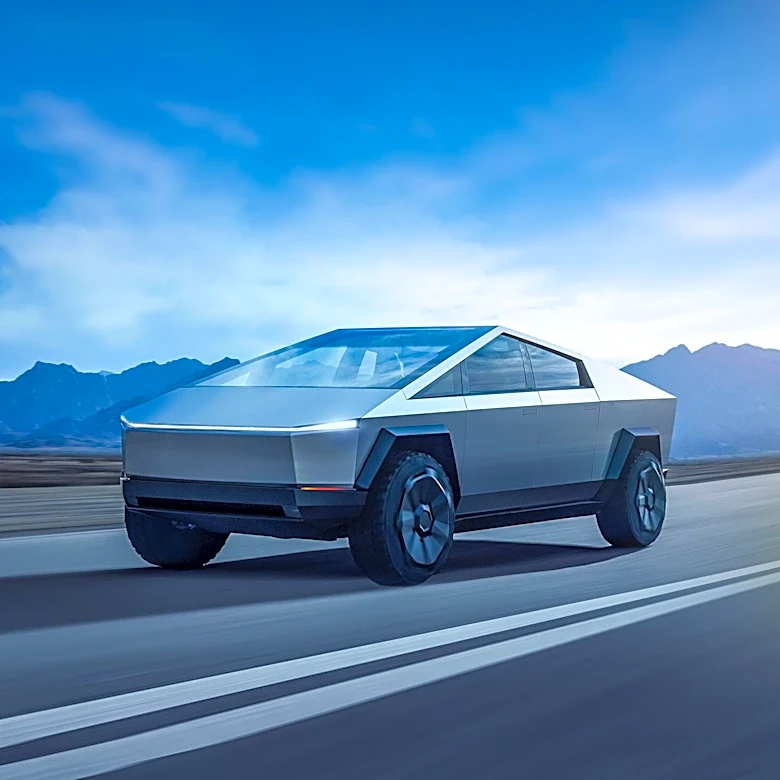
Tesla has significantly reduced its vehicle lineup by removing the Standard All-Wheel-Drive Model Y from its online configurator after approximately nine months on sale. This decision follows a similar move to narrow the Cybertruck offerings, with new
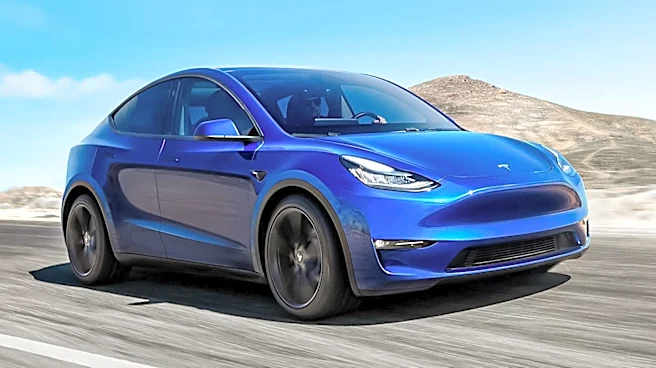
orders for the Dual Motor AWD and Premium AWD versions being disabled, leaving only the high-performance Cyberbeast as the sole configurable option. The Standard AWD Model Y, launched in February 2026, offered 294 miles of range and a 0-60 mph time of 4.6 seconds. With its removal, the cheapest new AWD Model Y available is now the Premium AWD at $49,990, with deliveries estimated for January–March 2027. The $39,990 rear-wheel-drive Model Y remains available. This streamlining effort is part of a broader strategy to simplify Tesla’s retail customer lineup, phasing out lower-volume or lower-margin variants to focus on core, higher-spec models that enhance profitability and production planning. The freed manufacturing capacity and reduced complexity are intended to support the scaling of Cybercab production.
Why It's Important?
This strategic shift by Tesla has significant implications for the U.S. automotive market and the company's future direction. By discontinuing lower-margin variants of the Model Y and Cybertruck, Tesla is prioritizing profitability and optimizing its manufacturing resources. This move could lead to higher average selling prices for its vehicles and improved financial performance. For consumers, it means fewer affordable options in the Model Y lineup, potentially pushing some buyers towards the remaining higher-priced Premium AWD or the RWD model. The acceleration of the Cybertruck's transition away from a stainless-steel pickup, which reportedly underperformed initial volume expectations, indicates a re-evaluation of product strategy. More broadly, this streamlining directly supports Tesla's ambitious Cybercab project, signaling a stronger commitment to its 'transportation-as-a-service' model and autonomous ride-sharing. This could reshape urban mobility and competition within the autonomous vehicle sector in the U.S., with Tesla aiming to dominate this emerging market.
What's Next?
Tesla is expected to continue reallocating factory space, engineering attention, and supply-chain resources towards its purpose-built Cybercab. Elon Musk has indicated that Cybertruck production at Gigafactory Texas will wind down around mid-to-late summer of 2027 to make way for increased Cybercab output. Tesla began pilot Cybercab production in early 2026 and launched paid autonomous rides in Austin in September, with plans for substantial volume growth. The company's focus will likely be on achieving high-volume deployment of the Cybercab, which is designed for unsupervised autonomy without a steering wheel or pedals. This transition suggests that Tesla's future emphasis will increasingly be on its autonomous ride-sharing service rather than solely on personal vehicle sales for certain models. Consumers interested in the discontinued Model Y AWD or specific Cybertruck variants may need to look for existing inventory or consider the remaining higher-spec options.
Beyond the Headlines
The decisions to trim vehicle offerings and prioritize Cybercab production highlight a deeper strategic pivot for Tesla, moving beyond its identity as solely an electric vehicle manufacturer towards becoming a dominant force in autonomous transportation services. This shift raises questions about the long-term viability of traditional car ownership models, particularly in urban environments, if autonomous ride-sharing becomes widespread and cost-effective. The ethical and regulatory frameworks surrounding fully autonomous vehicles, especially those without traditional controls, will also become increasingly critical. Furthermore, the move underscores the intense competition and rapid evolution within the EV and autonomous driving sectors, where companies must constantly adapt their product portfolios and manufacturing strategies to remain competitive and profitable. Tesla's aggressive pursuit of the Cybercab could set a precedent for how other automotive companies approach the future of mobility.