


What's Happening?
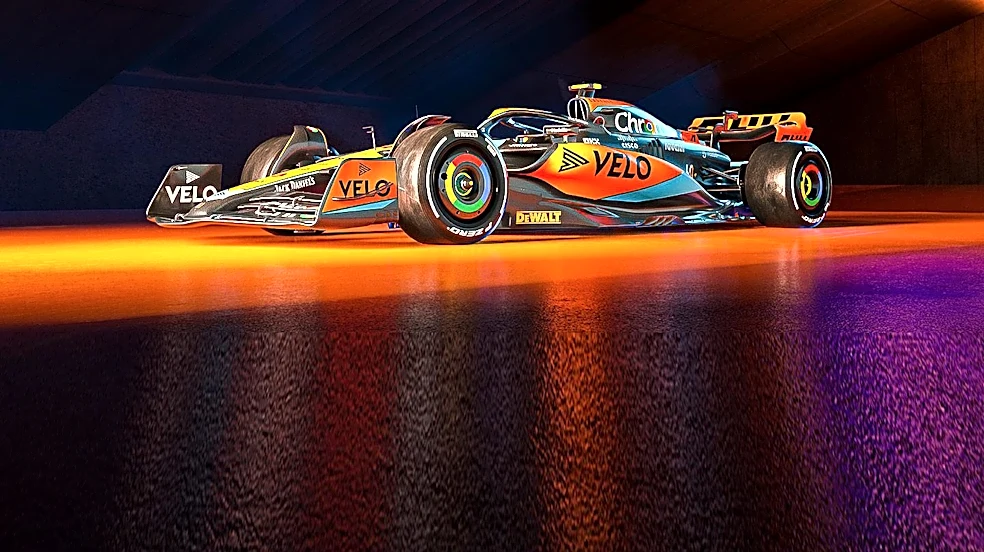
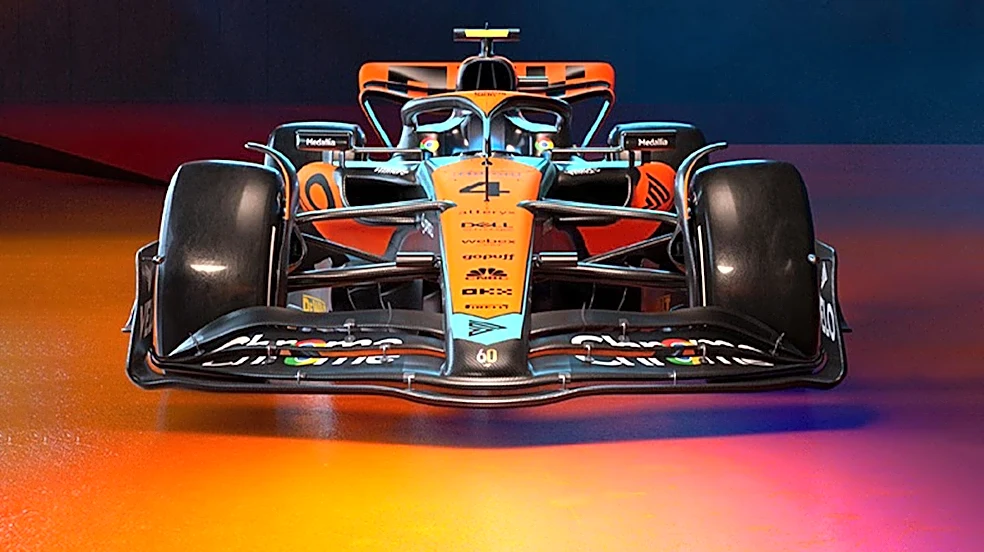
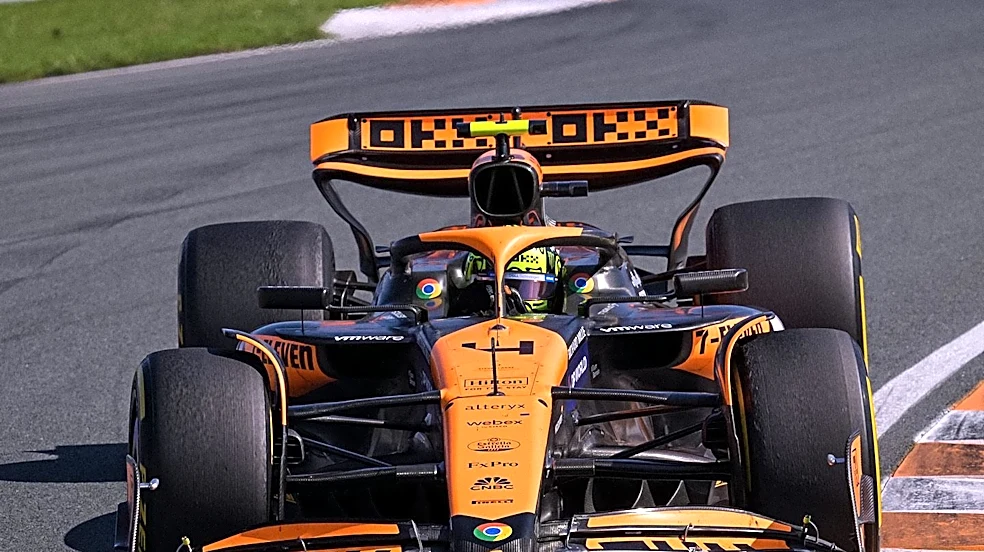
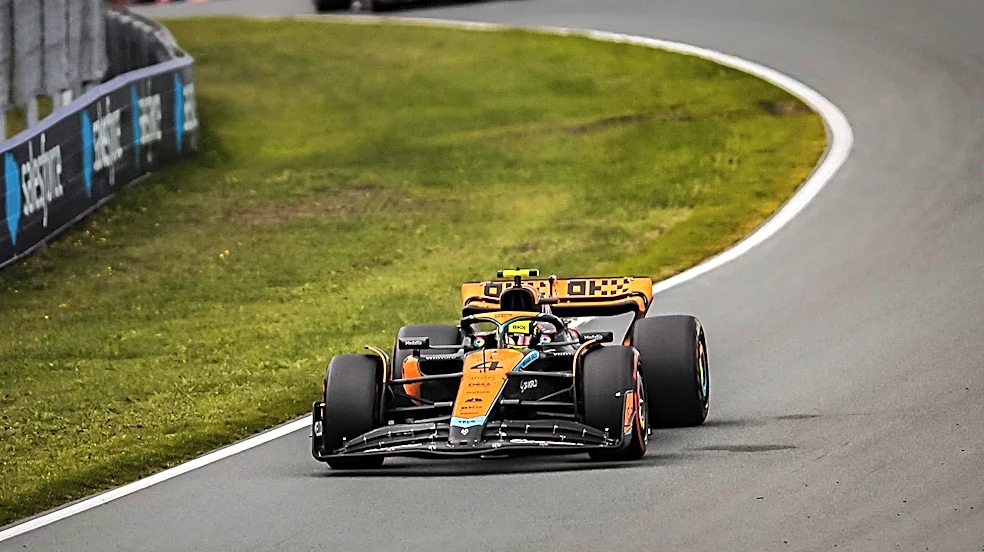
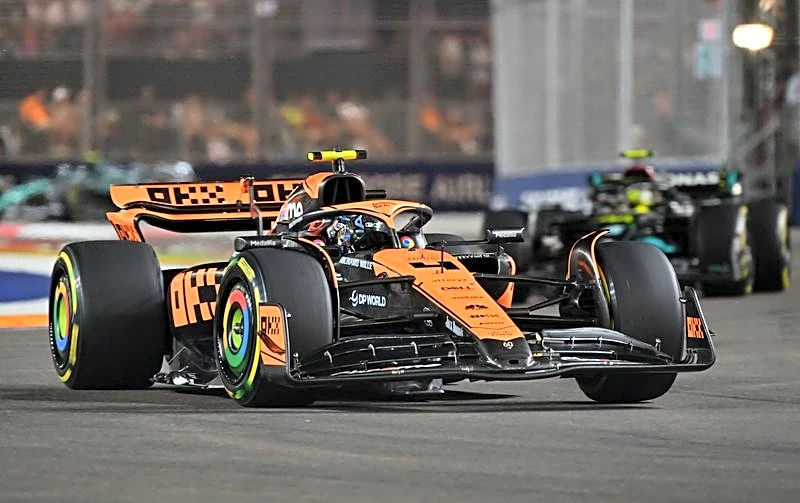
Lando Norris, a McLaren Formula 1 driver, has committed to making "better decisions" following a collision with his teammate Oscar Piastri during the Singapore Grand Prix sprint race. The incident, which occurred on the final lap at Marina Bay, resulted
in both McLarens spinning and cost the team eight points. Initially, Norris was reportedly flippant about the event, but after discussions with McLaren team boss Andrea Stella and CEO Zak Brown, he accepted responsibility. The team held further meetings between the Singapore Grand Prix and the upcoming U.S. Grand Prix in Austin, where Norris stated his intention to improve. He emphasized his motivation to repay the team's hard work by making better decisions and representing McLaren effectively. This incident is not isolated, as McLaren has faced recurring discussions about its 'rules of engagement' between drivers, including previous contact between Norris and Piastri at the 2024 Italian Grand Prix, last year's Canadian Grand Prix, and a U.S. Grand Prix sprint race.
Why It's Important?
This development is important for McLaren's performance and team dynamics within the highly competitive Formula 1 landscape. Driver collisions, especially between teammates, can significantly impact a team's championship standings and internal morale. The loss of eight points in Singapore could prove crucial in the constructors' championship, where every point is valuable. Norris's public acceptance of blame and commitment to improvement signals a proactive approach to resolving internal conflicts and maintaining team cohesion. For U.S. audiences, particularly those following the U.S. Grand Prix, the resolution of this internal team issue could influence McLaren's performance and strategy in upcoming races, including the one in Austin. The recurring nature of these incidents also highlights the intense pressure and competitive environment within Formula 1, where even minor errors can have significant consequences for both individual drivers and the team's overall success.
What's Next?
Following the internal discussions and Norris's public commitment, the immediate focus will be on McLaren's performance at the upcoming U.S. Grand Prix in Austin. The team will be closely watched to see if the 'better decisions' Norris vowed to make translate into improved on-track conduct and a more harmonious team dynamic. McLaren's management, including Andrea Stella and Zak Brown, will likely continue to monitor the interactions between Norris and Piastri to ensure adherence to their 'Papaya Rules' of engagement. The team's ability to execute races without internal incidents will be critical for their championship aspirations. Future races will serve as a test of Norris's commitment and the effectiveness of McLaren's internal conflict resolution strategies, potentially influencing their standing in the constructors' championship and the individual drivers' standings.
Beyond the Headlines
Beyond the immediate racing implications, this incident and its resolution touch upon broader themes of accountability, team management, and the psychological pressures inherent in elite sports. Norris's initial 'flippant' reaction and subsequent acceptance of blame illustrate the complex interplay between individual ego, team responsibility, and public perception. The 'Papaya Rules' highlight the ongoing challenge for Formula 1 teams to balance fierce individual competition with the necessity of collective success. This situation could serve as a case study in sports psychology and leadership, demonstrating how a team addresses internal conflict to maintain performance. The long-term impact could shape how McLaren approaches driver pairings and team orders in the future, potentially influencing the careers of both Norris and Piastri and setting precedents for how other teams manage similar situations.