




What's Happening?
Sustainable cities are increasingly redefining luxury travel by integrating green infrastructure, waterfront regeneration, eco-friendly architecture, and nature-based experiences. This shift is creating new business opportunities in eco-urban tourism
while simultaneously enhancing urban liveability and offering meaningful experiences for travelers. High-end travelers are now seeking cities where nature is integral, clean transport is accessible, and sustainability is woven into daily life. This trend translates into tangible experiences such as kayaking through protected mangroves, cycling along car-free waterfronts, and staying in energy-efficient buildings. The ASEAN Smart Cities Network, which has expanded to 38 cities by 2026, exemplifies this regional ambition to make cities more liveable through sustainable development.
Why It's Important?
This evolution in luxury travel has significant implications for U.S. urban development and the tourism industry. As U.S. cities strive for sustainability and improved quality of life, they can leverage these efforts to attract a growing segment of eco-conscious luxury travelers. This trend encourages investment in green infrastructure, public spaces, and clean mobility solutions, which not only benefit tourists but also enhance the well-being of residents. For U.S. businesses, it opens new avenues for developing sustainable hospitality, local guide services, and nature-based urban activities. The focus on regenerative principles and meaningful experiences could also influence urban planning and policy, promoting a more holistic approach to city development that balances economic growth with environmental and social responsibility.
What's Next?
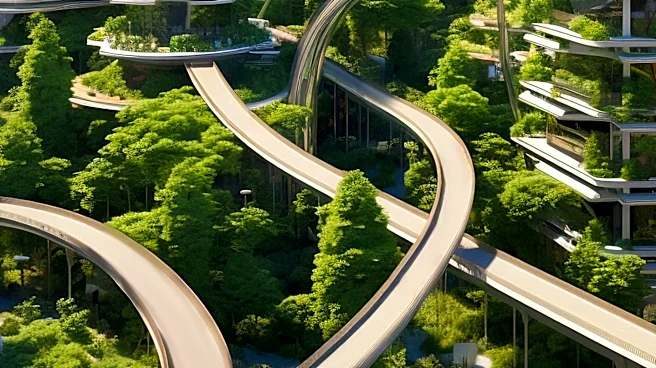
The business case for greener cities extends beyond hotels and resorts, generating demand for local guides, restaurants, transport operators, and cultural venues. Nature-integrated architecture, incorporating natural ventilation, green roofs, and energy-efficient systems, is becoming a key element of premium urban hospitality. The challenge lies in ensuring that sustainability goes beyond attractive design to deliver measurable improvements in daily life and genuine benefits for local communities. Research by UN Tourism emphasizes the importance of managing visitor growth while ensuring local communities benefit. This suggests a future where urban tourism success is increasingly linked to a city's commitment to environmental protection, thoughtful design, and inclusive development.
Beyond the Headlines
The emergence of eco-urban tourism reflects a deeper societal shift in values, where luxury is no longer solely defined by opulence but by authenticity, impact, and connection to nature. This trend challenges cities to rethink their identity and purpose, moving towards models that prioritize ecological health and community well-being. It highlights the ethical dimension of urban development, questioning how cities can grow without compromising their natural assets or the quality of life for their inhabitants. The integration of sustainability into urban design and tourism can foster a greater appreciation for local ecosystems and cultures, potentially leading to more resilient and harmonious urban environments globally. This also encourages a more mindful approach to travel, where visitors seek to contribute positively to the places they explore.