




What's Happening?
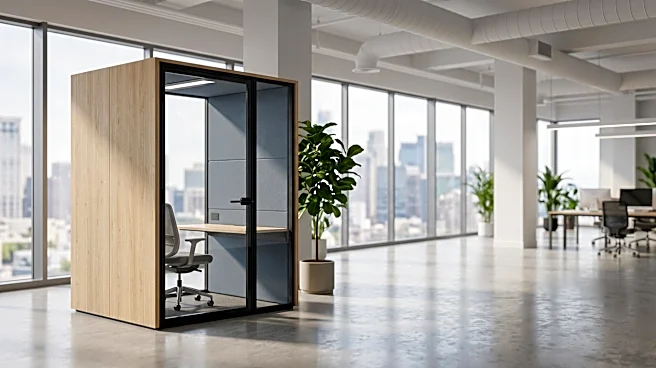
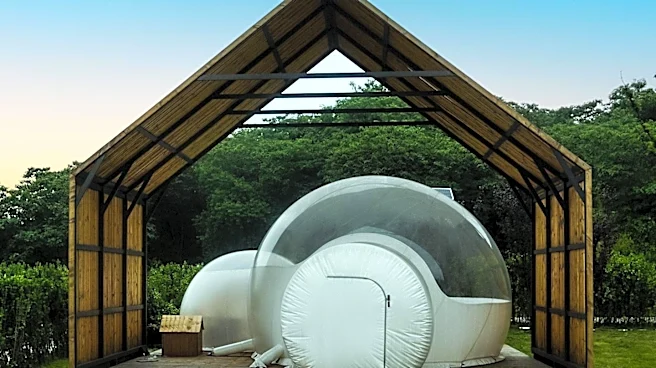
Optixent Inflatable Structures is offering sensory-friendly rooms designed to provide a calm and accessible space within corporate events. These rooms aim to balance quiet space, clear wayfinding, softer lighting, sensible occupancy, and realistic acoustic
expectations. The goal is to offer attendees a low-stimulation environment where they can reset without fully disengaging from the wider conference experience. This initiative supports accessibility and aims to reduce pressure for individuals who may find typical conference environments overwhelming due to factors like bright lighting, background noise, crowds, and visual clutter. The company emphasizes that these rooms are not intended to be clinical environments but rather a choice for attendees needing temporary relief from continuous stimulation, allowing them to rejoin meetings feeling more settled and ready to engage.
Why It's Important?
The introduction of sensory-friendly rooms by Optixent Inflatable Structures addresses a growing need for inclusive and accessible corporate event planning in the U.S. and globally. Modern conferences, with their combination of speeches, screens, queues, conversations, movement, lighting, and constant social interaction, can be demanding for many individuals, including neurodivergent delegates, tired executives, and speakers. By providing a dedicated low-stimulation option, event organizers can enhance attendee well-being and productivity. This move reflects a broader shift towards prioritizing mental and physical comfort in professional settings, potentially leading to higher engagement, reduced stress, and a more positive overall experience for a diverse range of participants. It also highlights the importance of thoughtful design in creating environments that cater to varying sensory needs, moving beyond mere compliance to genuine usability.
What's Next?
Event organizers are encouraged to integrate these sensory-friendly room options into their planning, considering factors such as location, sound reduction, and lighting. Optixent suggests positioning these rooms away from high-traffic and noisy areas but still easily accessible. Future developments may include further customization of these spaces to meet specific event requirements, such as incorporating carefully managed fidget toys or other calming resources. The company also advises organizers to gather feedback on the effectiveness of these rooms to continually refine their offerings. This trend is likely to expand, with more corporate events adopting similar solutions to improve accessibility and attendee comfort, potentially leading to new industry standards for inclusive event design.
Beyond the Headlines
The concept of sensory-friendly rooms extends beyond immediate event accessibility, touching upon deeper societal shifts in understanding and accommodating neurodiversity and individual well-being. By acknowledging that not all individuals thrive in high-stimulation environments, these initiatives challenge traditional event design paradigms that often prioritize spectacle over comfort. This approach fosters a culture of empathy and inclusion, recognizing that diverse needs contribute to a richer and more productive collective experience. The emphasis on 'choice' rather than 'necessity' also destigmatizes the use of such spaces, making it normal for anyone to seek a calmer environment. This could lead to broader applications in other public and professional settings, promoting a more universally accessible and considerate built environment.