









What's Happening?
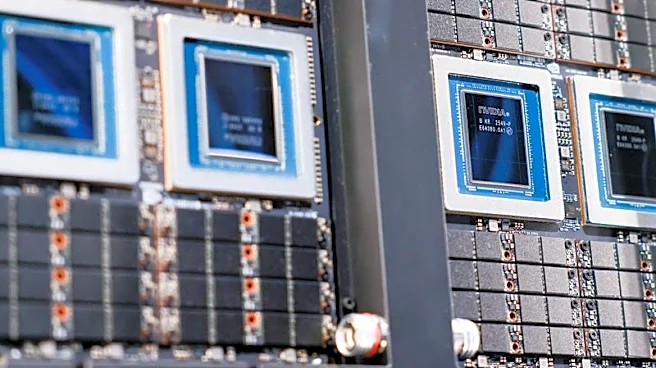
The AI industry has seen a massive increase in infrastructure spending, reaching $1.5 trillion in 2026, according to Sequoia partner David Cahn. This surge is driven by the need to support AI development and operations, with companies like Nvidia reporting
significant revenue from GPU sales. However, the industry faces a challenge in generating the $3 trillion needed to justify these investments. The rising costs of memory and specialized chips contribute to this financial pressure, while companies like Anthropic and OpenAI work to close the revenue gap.
Why It's Important?
The substantial investment in AI infrastructure highlights the industry's critical role in technological advancement and economic growth. However, the pressure to generate sufficient revenue to justify these investments poses a risk to the broader economy. If major tech companies fail to achieve their financial targets, it could lead to market instability and potentially trigger a recession. The situation underscores the importance of sustainable growth and innovation in the AI sector to ensure long-term economic stability.
What's Next?
As the AI industry continues to evolve, companies will need to focus on developing profitable AI products and services to meet revenue expectations. The potential for a market correction if financial targets are not met could drive companies to explore cost-effective solutions and partnerships. Additionally, the industry may see increased competition from international players offering cheaper alternatives, influencing pricing strategies and market dynamics. Stakeholders will need to navigate these challenges to maintain growth and stability.