





What's Happening?
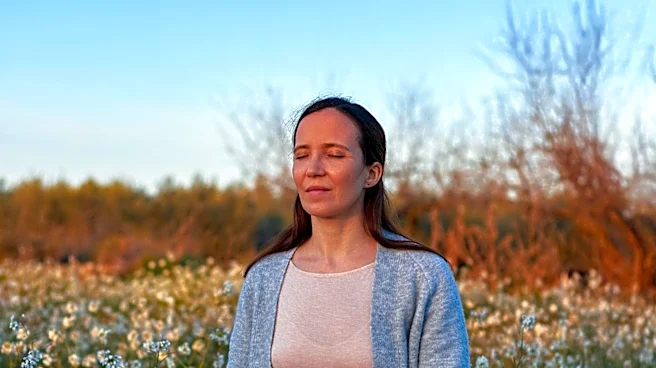
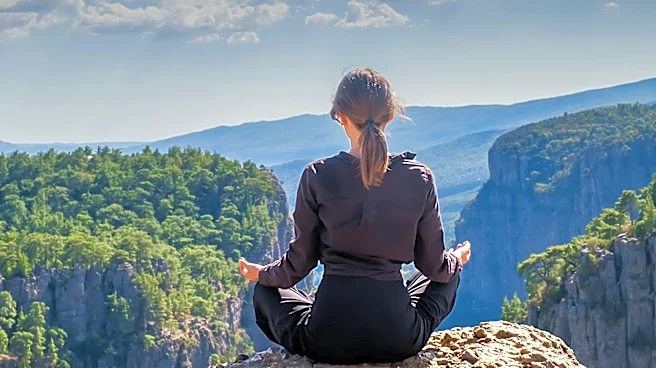
Mindfulness meditation is a practice focused on cultivating awareness and acceptance of the present moment. It can be integrated into daily activities or practiced through formal meditation sessions. The core of mindfulness involves focusing on breathing
and physical sensations, observing thoughts and emotions without judgment, and appreciating the current experience. This practice is a component of broader meditation techniques aimed at achieving mental calm and heightened consciousness. Recent initiatives, such as those at LaGuardia Community College, offer structured programs to help individuals develop mindfulness skills. The secular mindfulness movement, significantly influenced by Jon Kabat-Zinn, has gained widespread acceptance as a beneficial contemporary contemplative tradition.
Why It's Important?
The growing emphasis on mindfulness meditation is important for U.S. society due to its potential to improve mental health and well-being. In a fast-paced and often stressful environment, mindfulness offers a practical approach to reduce anxiety and enhance emotional regulation. Its secular nature, as championed by figures like Jon Kabat-Zinn, has made it accessible to a broader audience beyond traditional religious contexts, fostering its integration into healthcare, education, and corporate wellness programs. The practice helps individuals develop resilience, manage stress, and cultivate a greater sense of peace, which can lead to increased productivity and improved interpersonal relationships. This widespread adoption signifies a shift towards recognizing the importance of mental and emotional health alongside physical well-being in the United States.
What's Next?
The mindfulness movement is poised for further development, moving beyond its initial phase of being recognized primarily as a beneficial meditation technique. The next steps involve presenting mindfulness as a comprehensive path that begins with meditation but extends to deeper aspects of personal growth and societal impact. This evolution aims to expand the benefits of mindfulness, making it a more profound and integrated part of individuals' lives. Organizations and educational institutions are likely to continue offering and expanding mindfulness programs, potentially incorporating more advanced practices and a broader understanding of its applications. The focus will shift towards deepening the practice's impact on awareness, compassion, and insight, thereby improving mental health, relationships, and overall societal engagement.
Beyond the Headlines
Beyond its immediate benefits for stress reduction, mindfulness meditation carries deeper implications for societal values and individual agency. The practice encourages a shift from a reactive, judgment-driven mindset to one of observational acceptance, which can foster greater empathy and understanding in social interactions. Ethically, it promotes self-awareness and personal responsibility for one's emotional landscape, potentially leading to more conscious decision-making. Culturally, the secular mindfulness movement represents a modern adaptation of ancient contemplative traditions, making profound psychological tools accessible without requiring adherence to specific religious doctrines. This widespread adoption could contribute to a more mindful and compassionate society, influencing everything from public discourse to personal ethics by encouraging individuals to engage with the present moment more fully and thoughtfully.