
What's Happening?
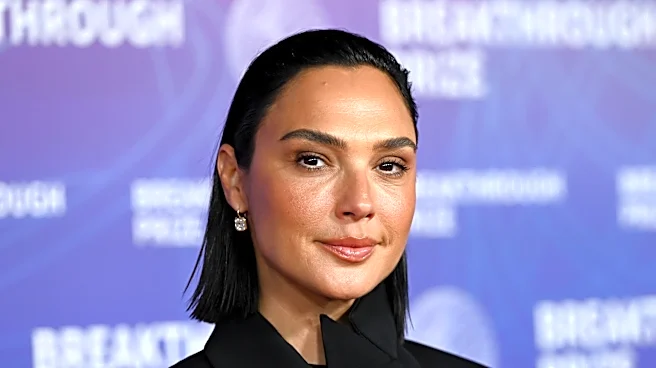
Actress Gal Gadot has publicly criticized DC Studios for its handling of Henry Cavill's departure as Superman and the cancellation of 'Wonder Woman 3'. Speaking on the 'Happy Sad Confused' podcast, Gadot stated
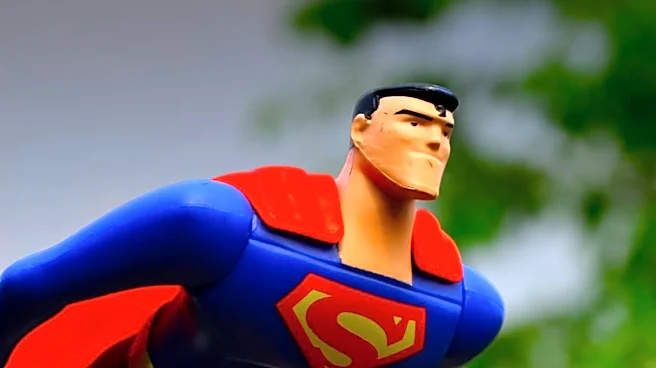
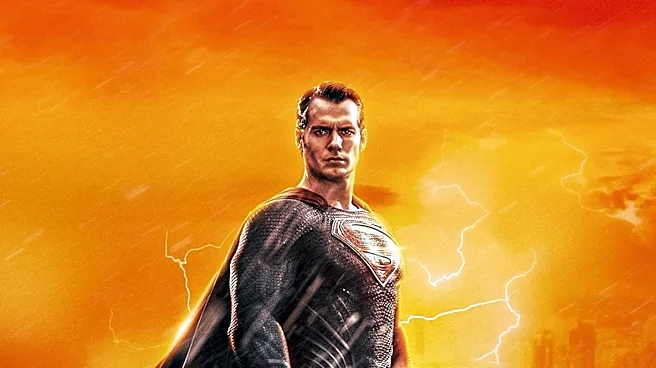
that the 'Henry situation was not handled elegantly, to say the least,' and applied the same sentiment to director Patty Jenkins' exit. Gadot revealed that despite being told by studio brass that 'Wonder Woman 3' would be developed with her, she observed how other key figures were treated, which shaped her understanding of her own future with the franchise. Cavill had announced his return as Superman after a cameo in 'Black Adam' in October 2022, only to be informed two months later by new DC Studios co-CEOs James Gunn and Peter Safran that he would not be reprising the role as they planned a full reboot of the DC Universe. This decision led to a new Superman movie not starring Cavill, ending his tenure.
Why It's Important?
The public comments from a prominent star like Gal Gadot highlight significant internal communication and talent management issues within DC Studios during its transition. The lack of 'elegance' in handling the departures of established actors like Henry Cavill, who brought considerable star power and fan recognition to the DC Extended Universe (DCEU), could erode trust among talent and impact future collaborations. For the studio, losing recognizable faces like Cavill and Gadot, who were central to the previous iteration of the DC franchise, means a tougher road in building a new universe from the ground up. In an era where movie stars are crucial for driving audience engagement, the decision to move on from these actors, particularly after initial assurances of their return, risks alienating a dedicated fanbase and making it more challenging to attract new audiences to the rebooted DC Universe.
What's Next?
DC Studios, under James Gunn and Peter Safran, is proceeding with a full reboot of its cinematic universe, with David Corenswet cast as the new Superman in an upcoming film. A new 'Wonder Woman' movie is also reportedly in development with a new writer, indicating that the roles previously held by Cavill and Gadot will be recast. The studio will likely continue its efforts to establish this new continuity, aiming to move past the controversies surrounding the previous cast changes. However, the lingering sentiment from actors like Gadot could influence public perception and fan reception of the new projects. The success of the upcoming films will be critical in determining whether the studio's strategy of a complete overhaul, despite the contentious departures, will ultimately pay off in establishing a cohesive and popular new DC Universe.
Beyond the Headlines
The situation at DC Studios reflects a broader challenge in the entertainment industry when major franchises undergo reboots or significant creative shifts. The transition from one cinematic universe to another often involves difficult decisions regarding existing talent, and the manner in which these changes are communicated and executed can have lasting repercussions. The 'Henry situation' underscores the complexities of managing actor expectations, especially when public announcements are made prematurely or without full alignment from new leadership. This incident also highlights the power dynamics between studio executives and talent, and how perceived missteps in communication can lead to public criticism, potentially affecting a studio's reputation and its ability to attract top-tier talent for future projects. The ethical implications of how talent is 'handled' in such transitions are brought to the forefront, suggesting a need for more transparent and respectful processes.