






What's Happening?
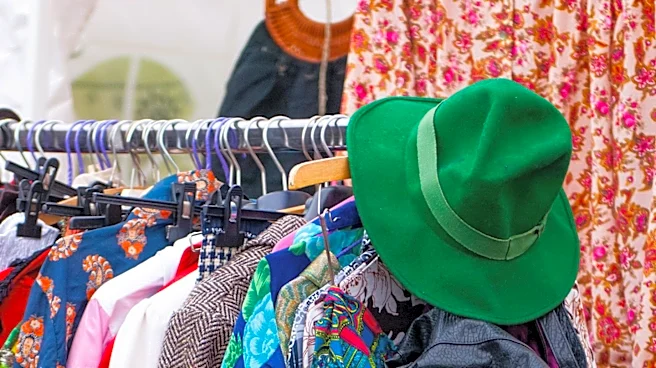
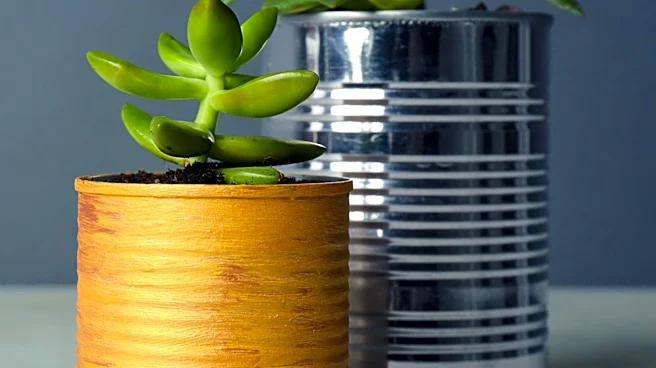
Thrifting has transitioned from a mere pastime to a prominent lifestyle trend, with a significant increase in related searches on Pinterest. The platform reports a 610% rise in searches for 'thrift flip ideas' and a general increase in 'upcycles.' This
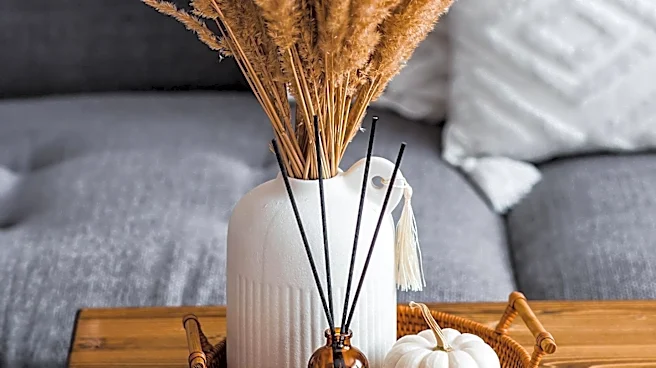
surge indicates a growing interest in transforming secondhand items into new, personalized goods. The trend is particularly popular among young entrepreneurs who are integrating preloved fashion into their business models. Beyond fashion, thrifting is also being embraced for seasonal home decor, offering an inexpensive and unique way to style interiors. This movement highlights a broader cultural shift towards sustainability, cost-effectiveness, and individual expression through repurposed items. The appeal of finding vintage gems at low prices, combined with the creative satisfaction of DIY projects, is driving this trend, making it a significant part of contemporary consumer behavior.
Why It's Important?
The growing thrifting and upcycling trend has several important implications for U.S. industries, society, and economic stakeholders. For the retail sector, it signifies a potential shift in consumer spending habits, moving away from fast fashion and new goods towards more sustainable and budget-friendly alternatives. This could impact traditional retailers and brands, prompting them to adapt their strategies to incorporate sustainability or face competition from the secondhand market. Economically, the rise of 'thrift flip ideas' and upcycling fosters a circular economy, reducing waste and promoting resourcefulness. It also creates opportunities for small businesses and individual entrepreneurs who specialize in curating, refurbishing, and reselling thrifted items. Socially, this trend promotes creativity and individuality, particularly among younger demographics who use thrifting as a form of self-expression. It also encourages a more conscious consumption model, aligning with broader environmental concerns and the desire for unique, personalized possessions over mass-produced items.
What's Next?
The continued growth of thrifting and upcycling suggests several foreseeable consequences and next steps. We can anticipate an expansion of the secondhand market, with more dedicated thrift stores, online platforms, and pop-up events catering to this demand. Businesses may increasingly explore collaborations with upcycling artists or integrate sustainable practices into their own product lines to appeal to environmentally conscious consumers. Educational initiatives and workshops on 'thrift flip ideas' and DIY upcycling are also likely to become more prevalent, further empowering individuals to participate in this trend. Major stakeholders, including fashion brands and home goods retailers, might need to re-evaluate their production and marketing strategies to remain competitive. The trend could also lead to increased innovation in textile recycling and material repurposing technologies. Furthermore, as thrifting gains mainstream acceptance, its influence on interior design and fashion trends will likely continue to grow, shaping future aesthetic preferences and consumption patterns.
Beyond the Headlines
Beyond the immediate economic and retail impacts, the thrifting and upcycling trend touches upon deeper cultural and ethical dimensions. It represents a rejection of consumerism's throwaway culture, promoting a more mindful approach to possessions and their lifecycle. Ethically, it aligns with principles of sustainability and environmental responsibility, as repurposing items reduces landfill waste and the demand for new resource extraction. Culturally, it fosters a sense of nostalgia and appreciation for vintage items, connecting past aesthetics with contemporary styles. This trend also democratizes fashion and home decor, making unique and stylish items accessible to a wider range of income levels. The emphasis on DIY and personalization encourages creativity and self-reliance, moving away from passive consumption towards active participation in shaping one's environment. In the long term, this shift could contribute to a broader societal re-evaluation of value, prioritizing longevity, craftsmanship, and uniqueness over fleeting trends and mass production.