








What's Happening?
The Labor Department reported a decrease in U.S. applications for unemployment benefits, which fell by 4,000 to 226,000 for the week ending June 13, 2026. This aligns with analysts' forecasts and reflects a stable job market despite ongoing economic challenges.
The report highlights that layoffs remain historically low, even as the Middle East conflict and rising oil prices pose potential threats to economic stability. The U.S. economy has seen a resurgence in hiring, with 172,000 new jobs added in May, marking the best hiring period since early 2024. The unemployment rate remains at 4.3%, and job openings have increased, indicating a robust labor market.
Why It's Important?
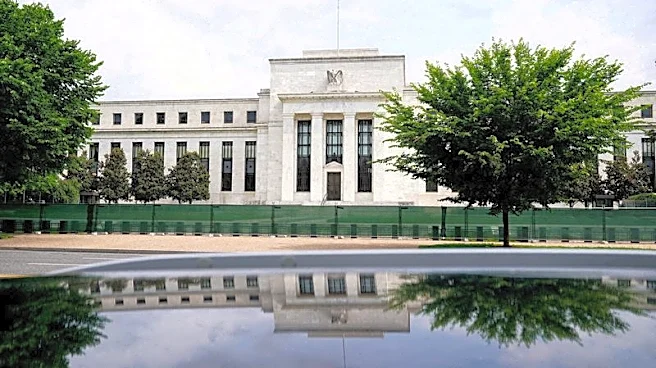
The decline in unemployment claims and the stability in layoffs are significant indicators of economic resilience. This stability is crucial for maintaining consumer confidence and supporting economic growth. The labor market's strength provides a buffer against external economic pressures, such as geopolitical tensions and inflationary concerns. The Federal Reserve's decision to maintain interest rates reflects confidence in the labor market's ability to withstand these challenges. However, the potential for future interest rate hikes remains, as the Fed seeks to balance economic growth with inflation control.
What's Next?
The Federal Reserve will likely continue to monitor labor market trends and inflation indicators closely. While the current stability allows for a steady monetary policy, any significant changes in economic conditions could prompt adjustments. The resolution of the Iran conflict and its impact on oil prices will be critical factors in shaping future economic policies. Additionally, the ongoing development of artificial intelligence and its potential impact on the job market will require careful consideration by policymakers.