



What's Happening?
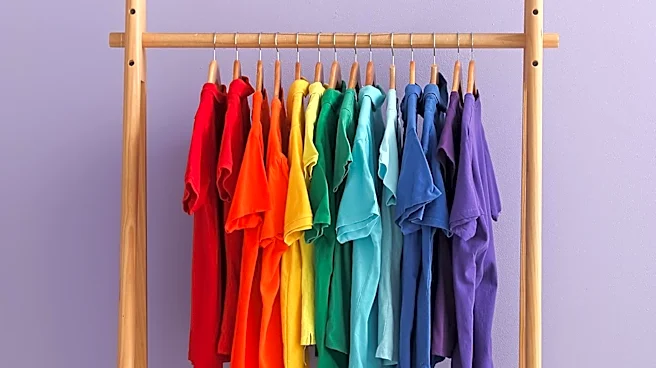
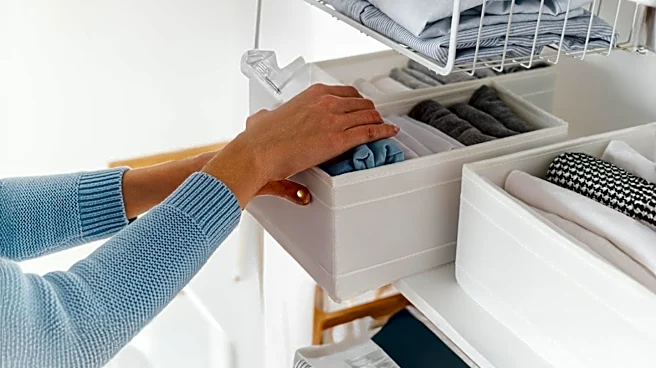
As the summer season comes to a close, professional organizers are recommending a thorough decluttering of homes in August. This period is seen as an ideal time to sort through children's clothes and school supplies in preparation for the upcoming school year.
Organizer Rachel Rosenthal from Rachel & Company highlights August as a 'natural reset' period, where routines shift and it's beneficial to clear out items that are no longer useful. This includes unused summer items, worn-out school supplies, and emotional clutter from the past season. The focus is not only on children's items but also on personal belongings such as cosmetics and supplies from home improvement projects undertaken during the warmer months.
Why It's Important?
Decluttering in August is significant as it helps individuals and families transition smoothly into the fall season with a more organized and intentional living space. By removing unnecessary items, people can create a calmer environment that supports new routines and activities associated with the back-to-school period. This practice can also lead to better mental clarity and reduced stress, as a clutter-free space often contributes to a more focused and productive mindset. Additionally, decluttering can prevent the accumulation of unused items, promoting sustainability and reducing waste.
What's Next?
As families and individuals embrace the decluttering process, they may continue to adopt these organizational habits throughout the year. This could lead to a more sustainable lifestyle, where people are more mindful of their consumption and the items they bring into their homes. Organizers may continue to provide guidance and tips on maintaining an organized space, potentially influencing broader societal trends towards minimalism and intentional living.
Beyond the Headlines
The emphasis on decluttering and organization reflects a growing cultural shift towards minimalism and sustainability. As people become more aware of the environmental impact of consumerism, there is an increasing interest in reducing waste and making more conscious purchasing decisions. This trend is also supported by the rise of micro-communities focused on DIY activities and sustainable living practices, which encourage individuals to engage more directly with their material goods and adopt a more hands-on approach to home management.