


What's Happening?
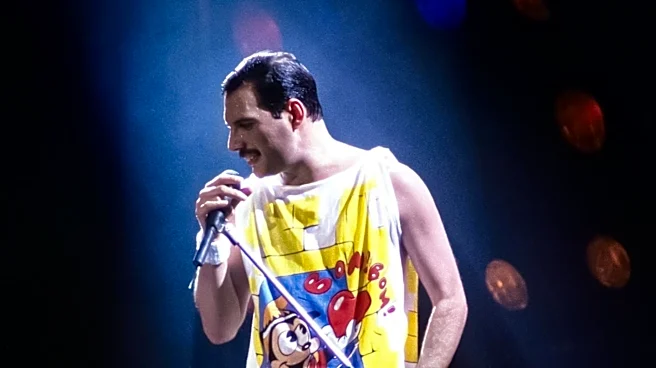
Freddie Mercury's influence extends beyond his time with Queen, impacting new generations of musicians. Artists like Shawn Mendes, the Backstreet Boys, and Troye Sivan have been noted as pop artists inspired by Mercury. More recently, the spirit of Freddie Mercury is evident
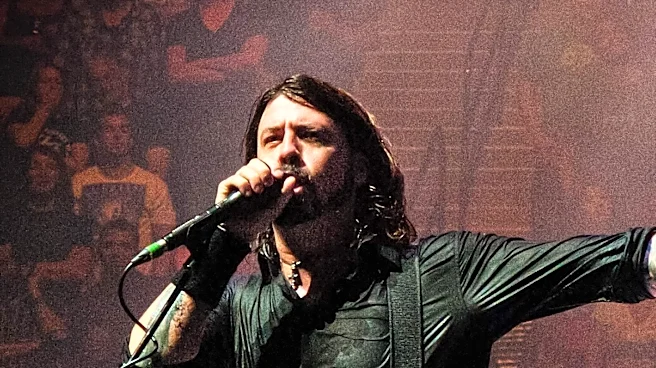
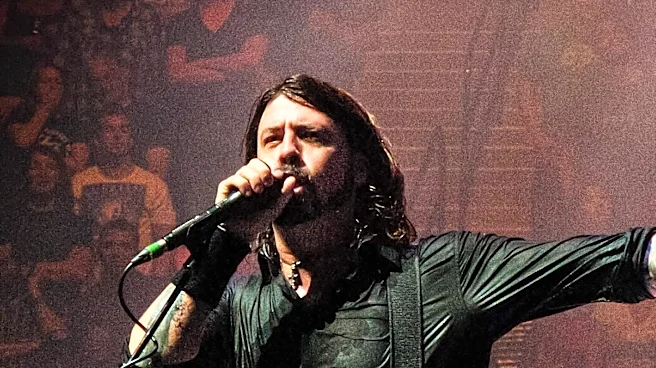
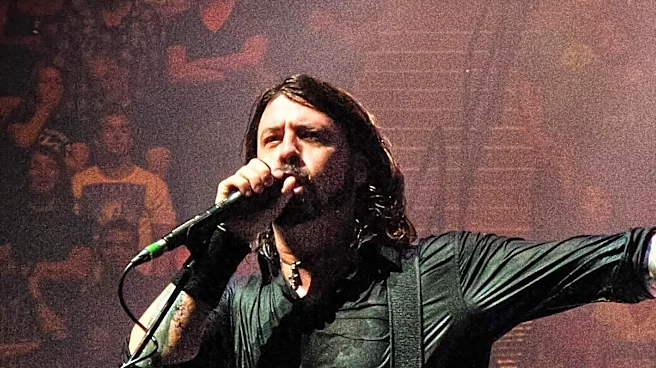
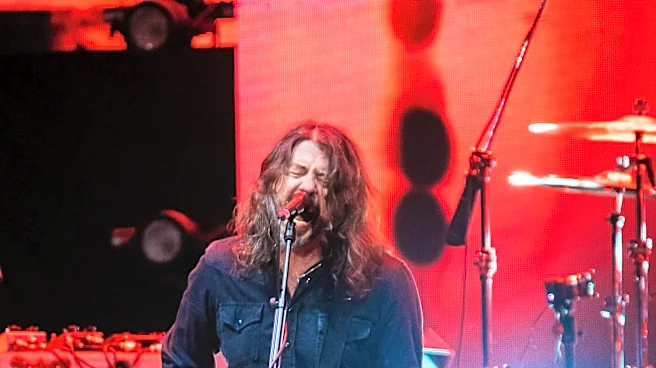
in the performances of Brendon Urie of Panic! at the Disco, Dave Grohl of Nirvana and Foo Fighters, and the late Taylor Hawkins of Foo Fighters. These artists embody Mercury's vocal power, dramatic flair, fearless stage energy, and ability to connect with large audiences. Brendon Urie, for instance, has openly expressed his admiration for Mercury, citing Queen's album 'A Night at the Opera' as life-changing and admitting to attempting to mimic Mercury's style throughout his childhood. Dave Grohl has praised Mercury as one of the greatest frontmen, highlighting Queen's Live Aid performance as a masterclass in audience engagement. Taylor Hawkins, whose first concert was Queen in 1982, carried Mercury's influence throughout his career, emphasizing the shared energy between band and audience.
Why It's Important?
The enduring legacy of Freddie Mercury highlights the lasting impact of iconic musical figures on subsequent generations of artists and the broader music industry. His influence on diverse artists, from pop to rock, demonstrates how foundational performances and artistic courage can transcend genres and eras. This continued inspiration contributes to the evolution of musical expression, encouraging new artists to embrace theatricality, powerful vocals, and deep audience connection. For the music industry, it underscores the value of unique artistry and stage presence in creating timeless appeal. It also illustrates how the work of past legends can continue to drive cultural conversations and shape artistic development, ensuring that certain performance styles and musical philosophies remain relevant and celebrated. This phenomenon also impacts music education and appreciation, as new fans discover older artists through the lens of their contemporary idols.
What's Next?
The ongoing recognition of Freddie Mercury's influence suggests that his artistic legacy will continue to be a point of reference for emerging musicians and music critics. Future artists are likely to draw inspiration from his performance style, vocal range, and ability to command a stage, ensuring his techniques and artistic philosophy remain relevant. Documentaries, tribute concerts, and academic studies may further explore and solidify his impact on music history. Additionally, the continued success of artists who cite Mercury as an inspiration could lead to renewed interest in Queen's discography and live performances among new audiences. This perpetuates a cycle of discovery and appreciation, ensuring that Mercury's contributions to music are not confined to a single era but continue to resonate and inspire across time.
Beyond the Headlines
Beyond the immediate musical impact, Freddie Mercury's legacy touches upon broader themes of artistic authenticity, self-expression, and the power of performance to create communal experiences. His fearless embrace of his identity and dramatic stage presence challenged conventional norms, paving the way for greater artistic freedom in popular music. This aspect of his legacy encourages artists to be bold and authentic, fostering a more diverse and expressive musical landscape. The deep emotional connection he forged with audiences, as noted by Grohl and Hawkins, speaks to the universal human desire for shared experiences and the transformative power of live music. This cultural dimension of his influence extends beyond mere musical technique, promoting a philosophy of performance that prioritizes genuine connection and emotional resonance, which remains a vital component of successful artistry today.