







What's Happening?
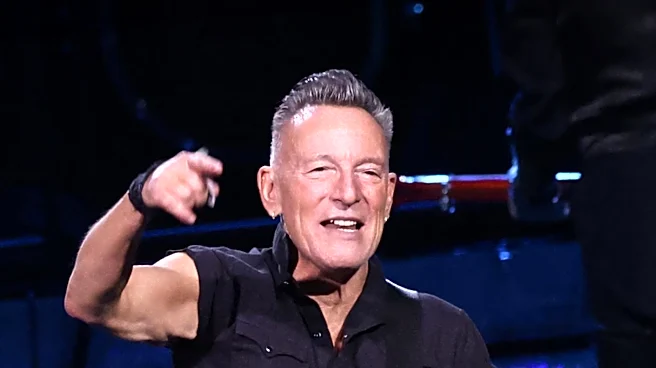
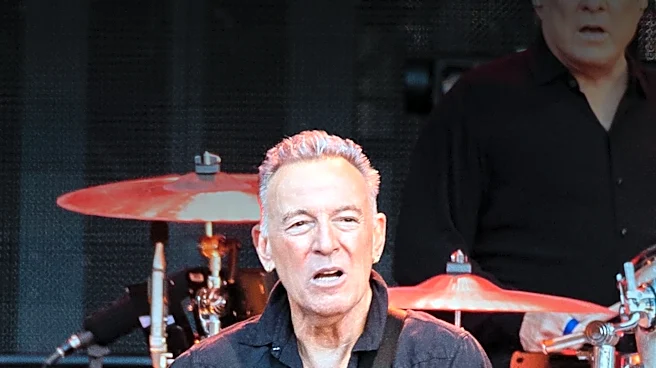
Legendary Entertainment, in collaboration with Sony Music Video and Passion Pictures, is producing a documentary film about Bruce Springsteen's historic 1988 concert in East Berlin. The concert, held at Radrennbahn Weissensee on July 19, 1988, drew an audience
of up to 300,000 people, making it Springsteen's largest concert by attendance. The documentary will feature new interviews with Springsteen himself, his wife and E Street Band member Patti Scialfa, manager Jon Landau, and other E Street Band members including Stevie Van Zandt and Max Weinberg. Additionally, the film will incorporate reflections from fans who attended the event, footage from Springsteen's tour at the time, and documents from the East German intelligence agency, the Stasi. Nicholas de Taranto and Danielle Peck, both with prior experience in music-related productions, will direct and produce the documentary. De Taranto previously produced 'McCartney: The Hunt for the Lost Bass,' while Peck directed '1971: The Year That Changed Music Forever' and produced 'Fight the Power: How Hip Hop Changed the World.' The documentary currently has no official release date.
Why It's Important?
This documentary is significant as it will shed new light on a pivotal cultural event that occurred just 16 months before the fall of the Berlin Wall. The concert itself was a remarkable occurrence, given East Berlin's status as a closed society and the inherent risks of hosting Western rock acts. The massive turnout for Springsteen's performance is widely seen as a symbol of the growing unrest within the communist bloc, indicating a desire for change and openness among the East German populace. By including interviews with key figures involved and insights from attendees, as well as historical documents from the Stasi, the film promises to offer a comprehensive look at the concert's impact and its broader socio-political context. For fans of Bruce Springsteen, it provides an in-depth exploration of one of his most iconic performances, while for historians and those interested in the Cold War era, it offers a unique perspective on the cultural forces at play during a transformative period in European history. The involvement of established production companies and experienced directors suggests a high-quality production that could reach a wide audience, further cementing the concert's place in historical and cultural narratives.
What's Next?
While no official release date has been announced for the documentary, its production by Legendary Entertainment, Sony Music Video, and Passion Pictures indicates a significant project in the works. Once completed, the film is likely to be distributed globally, potentially through streaming platforms, theatrical releases, or television broadcasts, reaching a broad international audience. The release will likely generate renewed interest in Bruce Springsteen's career, particularly his role as a cultural figure during the Cold War. It could also spark further discussions and analyses of the role of music and popular culture in political and social change. The documentary's content, especially the inclusion of Stasi documents and fan perspectives, may offer new insights into the daily lives and aspirations of people in East Germany during that era. Furthermore, the project could inspire other documentary filmmakers to explore similar historical events where cultural phenomena intersected with significant political shifts, contributing to a richer understanding of recent history.
Beyond the Headlines
The documentary on Bruce Springsteen's 1988 East Berlin concert transcends a mere musical retrospective; it delves into the profound cultural and political undercurrents of the late Cold War era. The concert, initially permitted by East German authorities as a means to appease a restless youth population, inadvertently became a powerful symbol of dissent and a yearning for freedom. Springsteen's performance, though not overtly political in its intent, resonated deeply with an audience living under strict communist rule, embodying a spirit of individualism and liberation. The film's use of Stasi documents could reveal the internal anxieties and surveillance efforts of the East German regime, highlighting the perceived threat that Western cultural influences posed to their control. This event underscores the often-unpredictable impact of cultural exchange, demonstrating how art can inadvertently become a catalyst for social and political change, even when its creators do not explicitly intend it. It also serves as a reminder of the universal appeal of music to transcend ideological barriers and connect people on a fundamental human level, fostering a sense of shared experience and collective identity that can challenge established power structures.