







What's Happening?
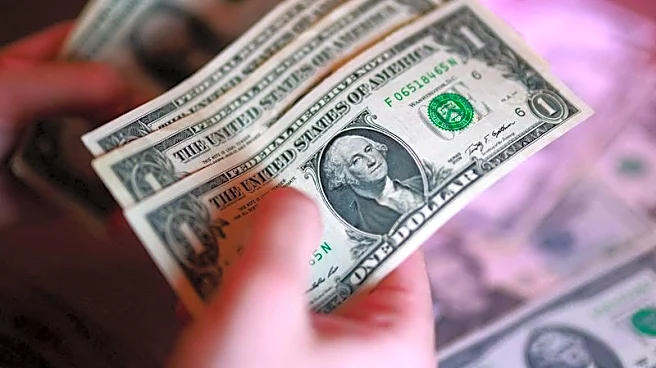
The U.S. dollar, long the world's dominant reserve currency, is facing increasing challenges as global economic dynamics shift. The dollar's share of global reserves has decreased from approximately 72% at the turn of the century to under 58% today. This
decline is attributed to several factors, including the weaponization of the dollar in geopolitical conflicts and the rise of alternative currencies like the euro and yuan. The Federal Reserve has supported the dollar's dominance through various measures, including liquidity swap lines with major central banks. However, recent geopolitical tensions and economic nationalism have led to a gradual erosion of trust in the dollar. Central banks in emerging markets are reportedly planning to reduce their dollar allocations, with some turning to gold as a safer reserve asset.
Why It's Important?
The potential decline in the U.S. dollar's dominance has significant implications for global trade and finance. A shift away from the dollar could alter the balance of economic power, affecting U.S. influence in international markets. Countries like China and the European Union could gain more leverage as their currencies become more prominent in global reserves. For the U.S., a reduced role for the dollar could lead to higher borrowing costs and impact the country's ability to finance its deficits. Additionally, the shift could influence global trade patterns, as countries seek to diversify their currency holdings to mitigate risks associated with dollar dependency.
What's Next?
The trend of de-dollarization is expected to continue, albeit gradually. Central banks may increase their holdings of alternative currencies and gold, while exploring new payment systems to reduce reliance on the dollar. The U.S. may need to adapt its economic policies to maintain its financial influence. This could involve strengthening diplomatic ties and addressing concerns over the use of the dollar as a geopolitical tool. The upcoming U.S. elections and potential policy shifts could also play a role in shaping the future of the dollar's global standing.
Beyond the Headlines
The erosion of trust in the U.S. dollar highlights broader issues of economic nationalism and geopolitical tensions. As countries seek to protect their economic sovereignty, the global financial system may become more fragmented. This could lead to increased volatility in currency markets and complicate international trade agreements. The long-term implications of a multipolar currency system could reshape global economic governance, requiring new frameworks for cooperation and conflict resolution.